Last updated November 21, 2026
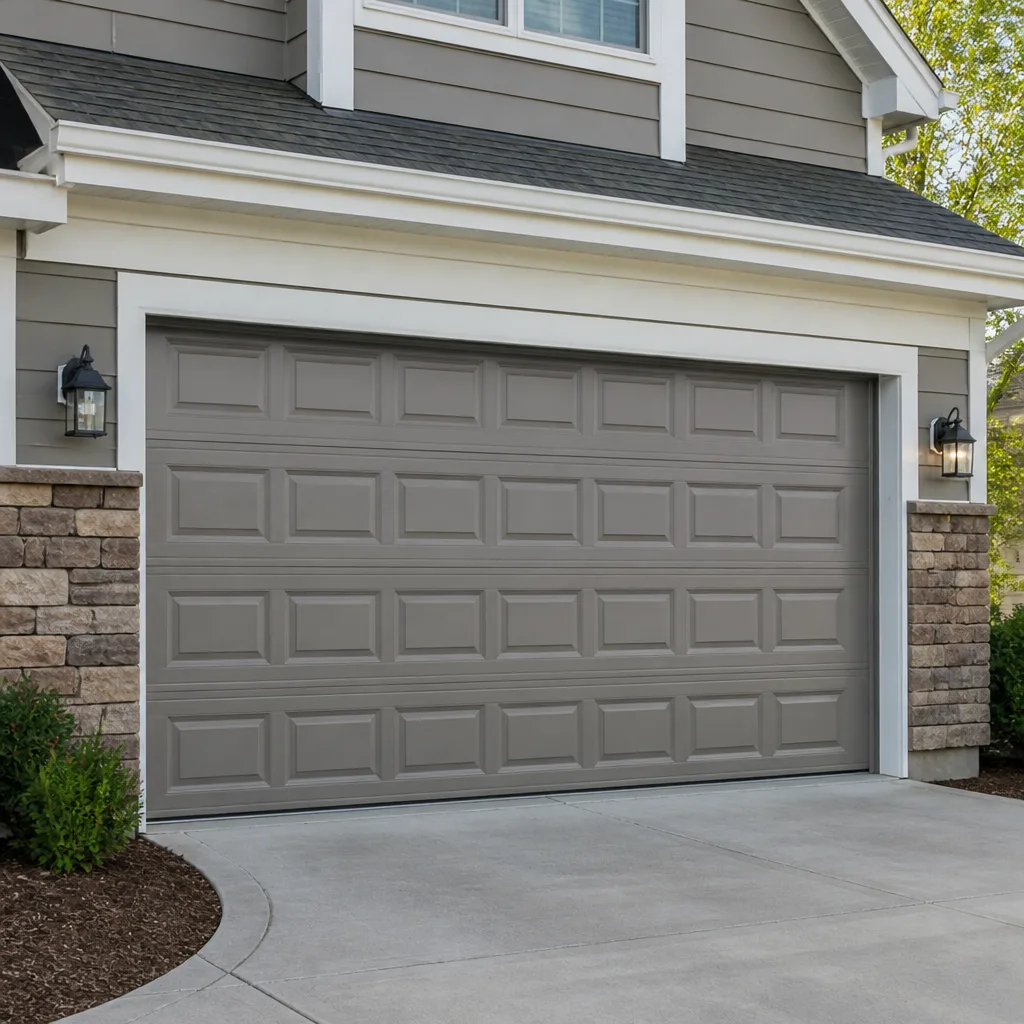 Raised-panel steel
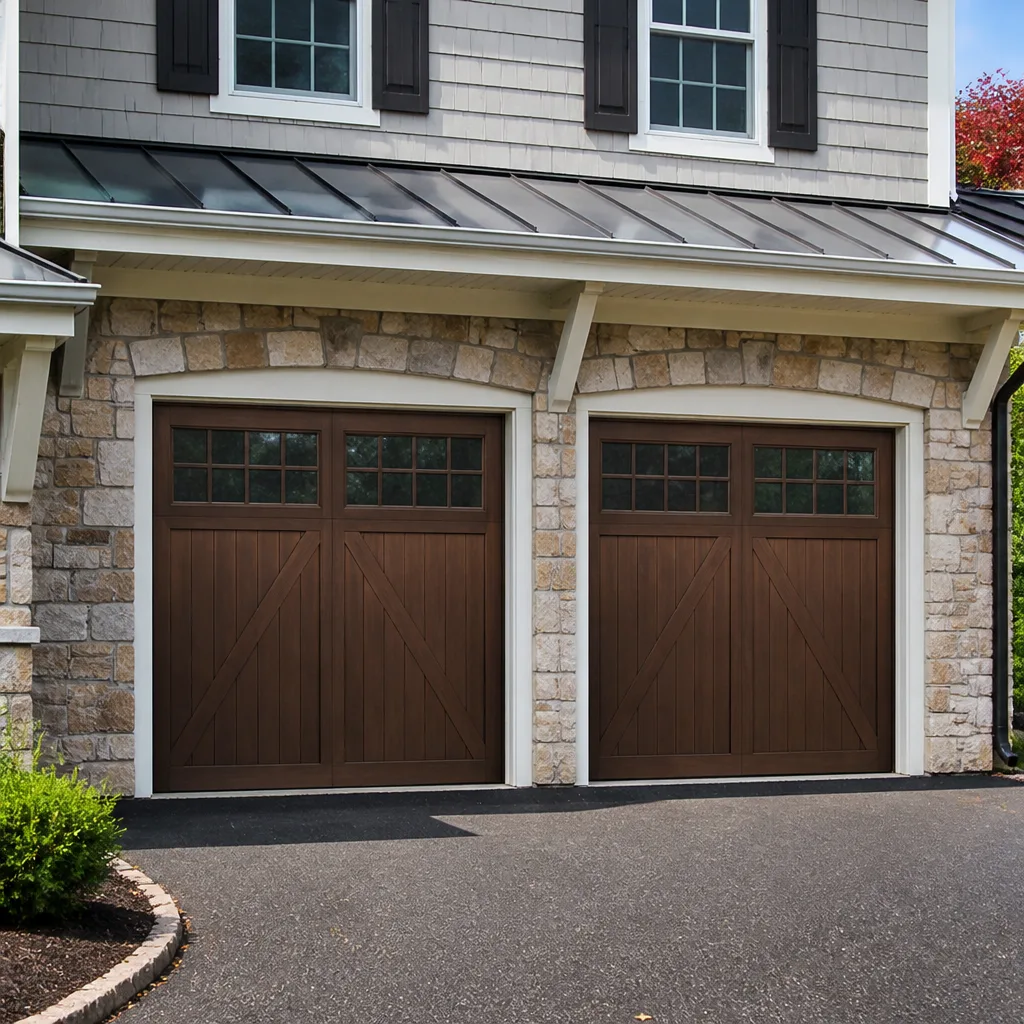 Carriage house
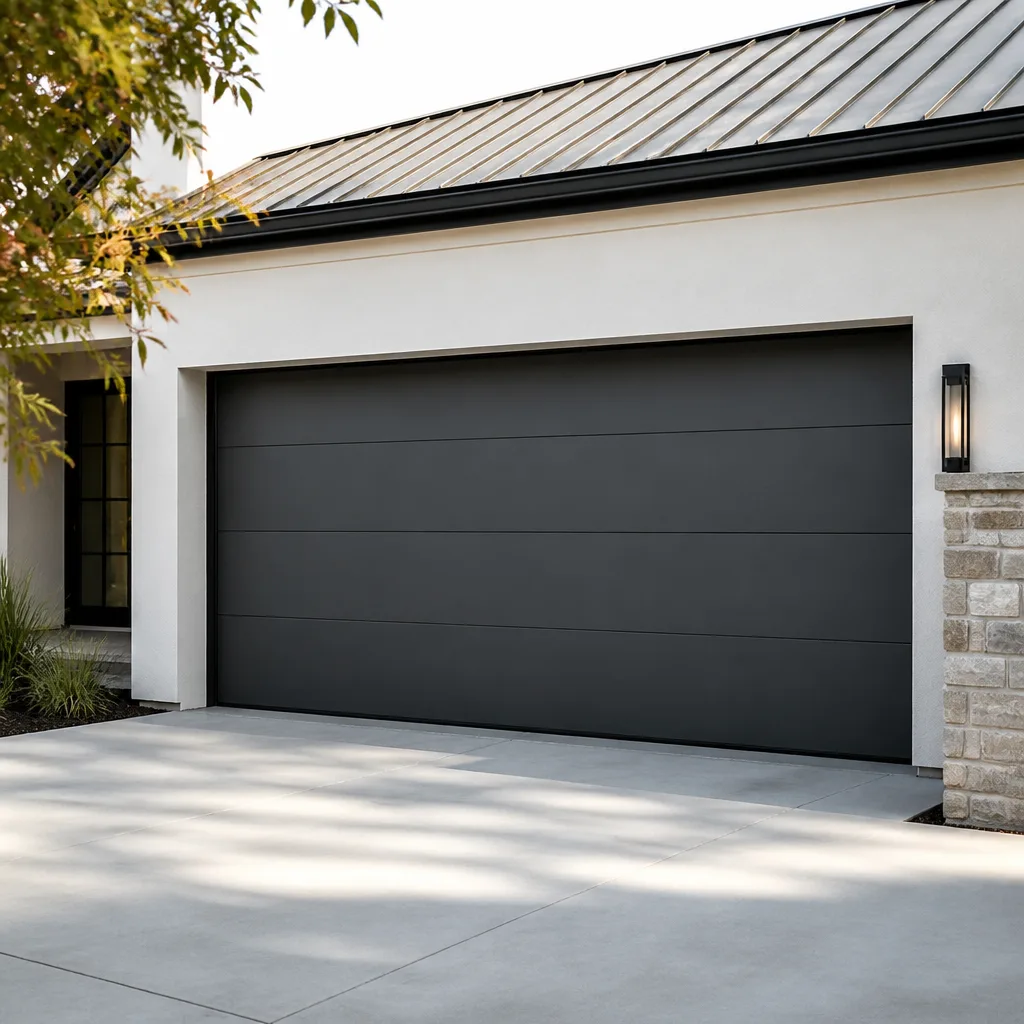 Modern flush
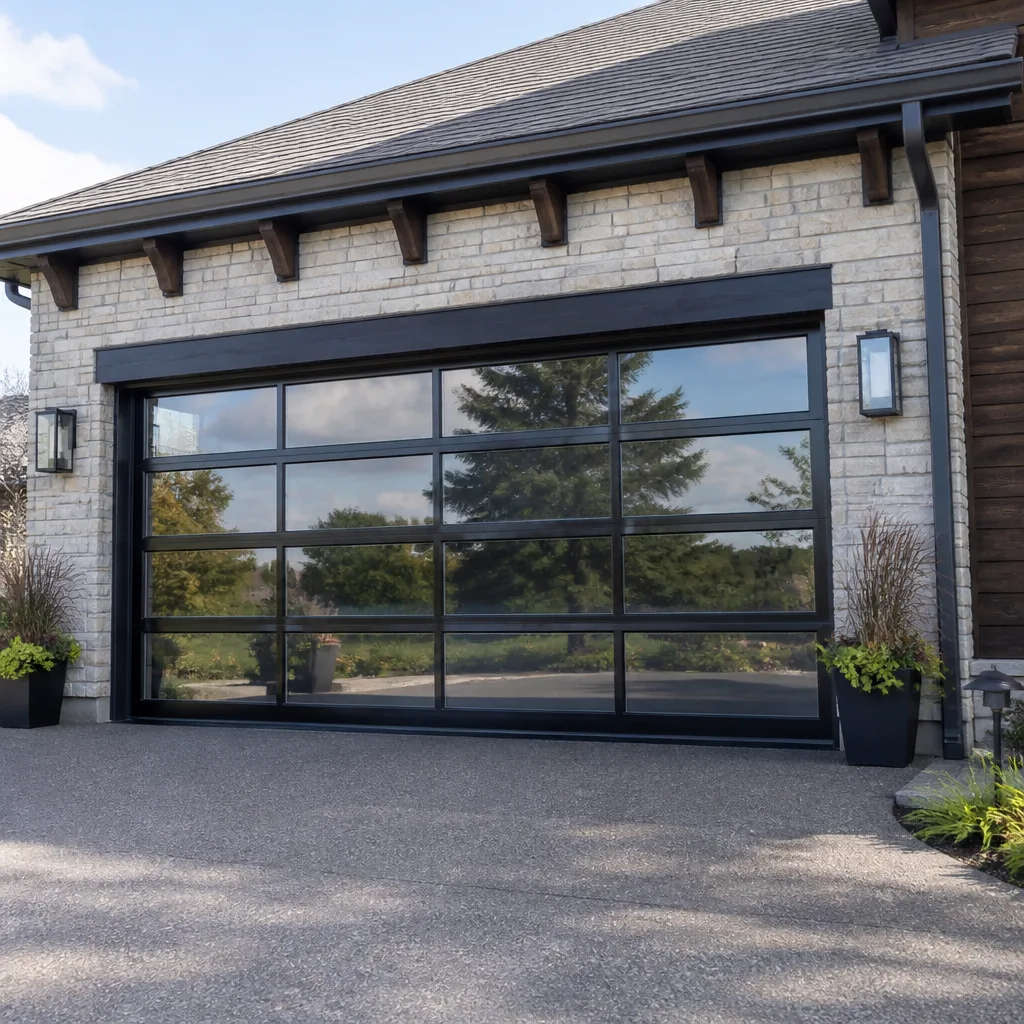 Full-view glass
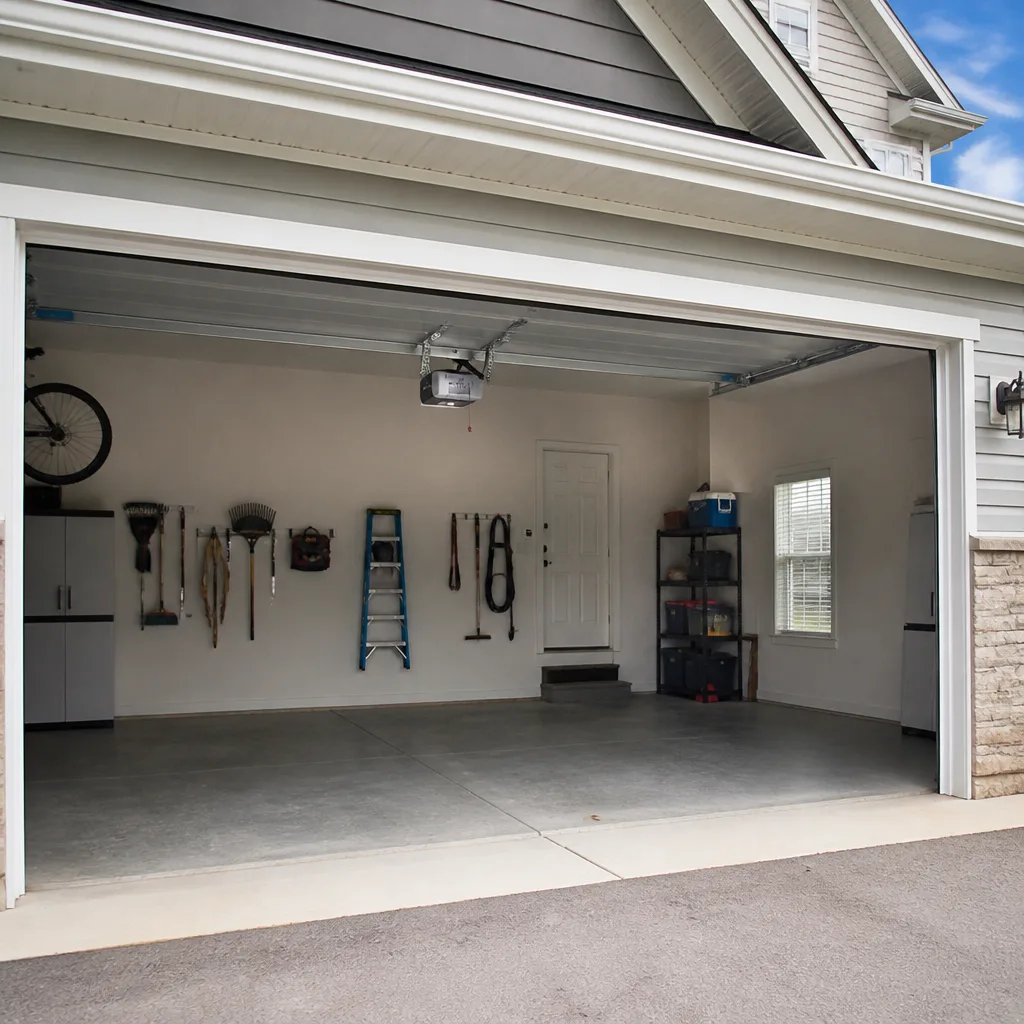 LiftMaster openers
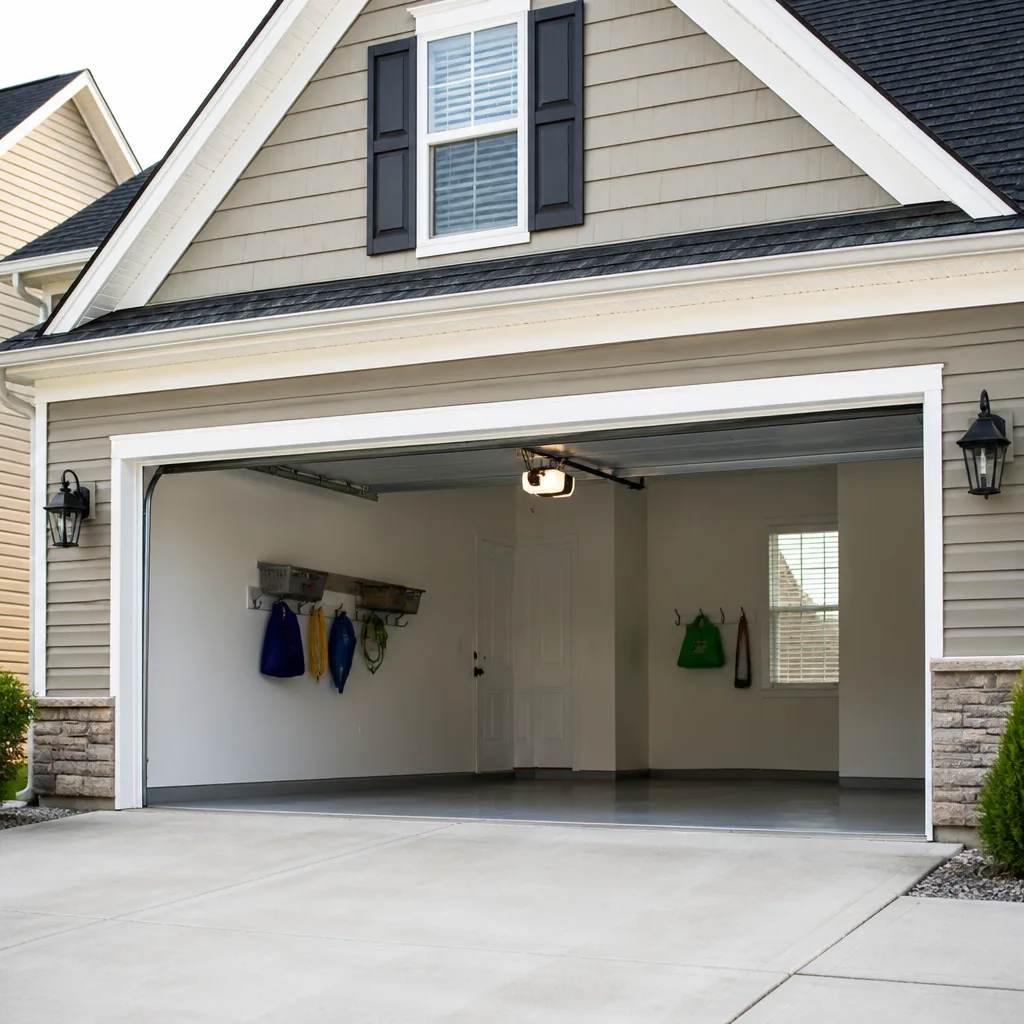 Chamberlain openers
Full 25-point door and opener safety check with every visit - springs, cables, rollers, tracks, and your LiftMaster or Chamberlain opener included
You get a price before we start. It does not change when the pro arrives.
Get your free estimateGarage Door Permits, Codes & Inspections in Joliet, IL: What You Need to Know
Most Joliet homeowners treat a garage door replacement like swapping out an appliance. The old door comes off, the new one goes on, and nobody calls City Hall. That quiet habit makes garage door swaps one of the most common unpermitted improvements in the region, and unlike a repainted bedroom, an unpermitted door can stall a real estate closing or complicate an insurance claim. The confusing part is that the rules aren’t one-size-fits-all. A like-for-like swap and a framed-in new opening are treated very differently in Joliet, and the line between them isn’t obvious. This guide walks through when a permit is legally required, what a Joliet building inspection actually checks, how unpermitted work gets caught during a sale, the Illinois energy code rules that apply to doors on attached garages, and who is legally on the hook for filing the paperwork.
Quick Answer
In Joliet, a permit is generally required when a garage door project changes the structure, the opening, or the door’s electrical or safety components in a meaningful way, while a true like-for-like swap of the same size and type of door often does not need one. Because the exact threshold depends on how the job is classified, the safest step is a quick call to the City of Joliet Building Division before the work is ordered. A permitted job ends with an inspection, and that inspection protects you at resale and at claim time.
Styles & brands we work with
- Raised-panel steel
- Carriage house
- Modern flush
- Full-view glass
- LiftMaster openers
- Chamberlain openers
Table of Contents
- When Does a Garage Door Replacement Require a Permit in Joliet?
- What Does a Joliet Garage Door Inspection Actually Check?
- How Unpermitted Work Surfaces During an Illinois Home Sale
- Illinois Energy Code and Insulated Doors for Attached Garages
- Who Pulls the Permit: Homeowner or Contractor?
- How the Permit and Inspection Process Works, Step by Step
- When a Permit Is Optional but Still Smart
- How Joliet Weather and Housing Shape Code Decisions
When Does a Garage Door Replacement Require a Permit in Joliet?
A permit is triggered when the work changes something structural, electrical, or dimensional in Joliet, and it is usually not required when you’re replacing a door with the same size, same style, and same type as the one removed. The city doesn’t publish a single homeowner-friendly checklist, so the practical rule is to match the job to one of three categories before you order anything.
The three categories of garage door work
- New installation into a new opening. If the garage wall doesn’t have an opening yet, or you’re cutting a wider opening, adding a new bay, or reframing headers, that’s structural work and a permit is essentially always required. It also means a building inspector will review framing and header size before the door goes on.
- Like-for-like replacement. Same opening, same door size, same track configuration, same style. If a contractor is swapping one 16-foot door for another 16-foot door and the tracks, springs, and hardware are reinstalled at the original mount points, many jobs of this kind proceed without a permit in Joliet. Whether yours needs one depends on how the door size and configuration compare to the existing opening, and the building division is the authority on your specific address.
- Structural or electrical change. Widening the opening, converting a manual door to an opener with new wiring, adding a side entry door into the garage, or reinforcing a sagging header all move the job into permit territory. Electric openers and their safety sensors are code-regulated equipment.
The trap here is that a “replacement” can slide into structural territory without obvious signs. A homeowner who chooses a taller door, or a door with a different mounting method, may end up with a project that should have been permitted. When a garage door installation crosses that line, our team flags it and helps you decide whether to file before the first panel comes off.
We won’t tell you a specific rule number or section, because Joliet’s code is amended periodically and the building division has the current answer for your address. A single phone call to the city settles it in minutes, and it’s cheaper than discovering the problem at closing.
What Does a Joliet Garage Door Inspection Actually Check?
A Joliet garage door inspection is a safety and code-compliance walkthrough, not a beauty contest. Inspectors are looking at whether the door and its hardware will function safely, close completely, and match the permitted scope of work. Here’s what actually comes up on the inspector’s list.
The specific items on the scope
- Door-to-opening fit. The door should fill the opening with no excessive gaps at the jamb or header, and the tracks should be plumb and level. Tracks mounted off-square can look fine at a glance and still be flagged.
- Balance and tension. The inspector will raise and lower the door to confirm it moves smoothly, stays put around halfway up, and doesn’t slam or creep. Springs that are mismatched to the door weight show up here.
- Safety reversal on the opener. If a garage door opener was installed or replaced as part of the permitted work, the two safety mechanisms get tested. On a Genie or Chamberlain unit, the inspector will activate the photoelectric safety eye across the opening and confirm the door stops and reverses.
- Force setting and pressure reversal. When the door contacts an obstruction, it should reverse. That’s tested with a solid, non-damaging block.
- Automatic closing and the manual release. The opener’s manual release must be functional, and the door’s automatic closing should operate with the wall control as intended.
- Electrical connections. For a new opener or a new circuit, the wiring and any receptacle placement get looked at. The purpose isn’t a full electrical inspection, but energized garage door equipment needs to be properly connected.
- Labeling and warning stickers. Door and opener manufacturers’ safety labels should be present and legible.
- Weather sealing and attachment. Bottom seals and door anchors come up when the permit addressed the opening.
In our experience, most failed first inspections aren’t caused by the door itself. They’re caused by the opener’s safety sensors being misaligned, an out-of-square track, or a spring sized for a lighter door than the one installed. Those are the same issues that cause binding doors, strained openers, and premature garage door repair calls a few months down the road. Setting the door up properly in the first place is the thing that carries a project through inspection the first time.
Keep the inspection report. If you ever sell the home, that paperwork is the single most effective way to prove the work was legal.
How Unpermitted Work Surfaces During an Illinois Home Sale
Unpermitted garage door work typically surfaces during a buyer’s inspection, when a title search pulls up no record of a permit for a change that clearly happened, or when an appraiser or insurance inspector questions a new door on an older set of records. In an Illinois sale, the seller’s disclosure form asks about improvements and permits. Answering that question inaccurately is a much bigger problem than simply admitting the door was replaced without one.
The remediation chain, in order
- Buyer’s inspection. The inspector notes a newer door, an opener that appears recently replaced, or a freshly framed opening and asks for permit documentation. Without it, the buyer’s agent often asks for a price reduction or a contingency.
- Title search. A permit that was never pulled usually isn’t in the records, but neither is the work. If a title record shows an older door or a different configuration, the discrepancy gets flagged.
- Municipal code records request. A buyer or their attorney can request permit history from the City of Joliet. If a permit should have been pulled and wasn’t, the city may require a retroactive permit and an inspection, often with an administrative fee on top of the standard permit cost.
- Inspection of the work. The inspector reviews the door and opener against current requirements. If anything fails, the seller pays to have it corrected, sometimes by a contractor of the buyer’s choosing.
- Closing delay or price reduction. Even a straightforward retroactive permit takes days to schedule. A closing date in a competitive market doesn’t wait comfortably, so the seller usually absorbs the cost or the delay.
None of that chain is catastrophic, but every step costs time and money that a permitted job would have avoided entirely. The remediation isn’t just the permit fee. It’s the re-inspection, any corrections, and the negotiating leverage you hand to a buyer who has an inspection report that says “unpermitted garage door.”
Illinois Energy Code and Insulated Doors for Attached Garages
An insulated garage door is the requirement most often skipped on a replacement, especially when a homeowner is choosing based on curb appeal alone. Doors on an attached garage form part of the home’s thermal envelope, and Illinois energy code treats them accordingly when the garage shares a wall or ceiling with conditioned living space.
What this means for door selection in Joliet
- Insulated doors are expected, not optional. On a door that separates an attached garage from the house, a solid insulated polyurethane or polystyrene core door is what most inspectors and energy reviewers expect to see. Doors on detached garages are treated differently.
- The opener and windows matter too. If a new door has windows or an oversized panel gap, the insulation value drops. Insulated glazing or a smaller window footprint keeps the door closer to its rated performance.
- Air sealing at the perimeter. Bottom seals, side seals, and a threshold at the slab all count. A perfectly insulated door in a leaky opening still loses heat around the edges.
- Brand selection matters less than the core. Whether you’re looking at a Clopay door with a two-inch core or a Wayne Dalton model with a foam-filled panel, the question the code question reduces to is the same: does the door have a core, and is the perimeter sealed?
- Timing the door with another project. If you’re remodeling the garage into a conditioned space, energy code requirements become far stricter, and the door becomes part of a larger permit scope.
We can’t quote specific R-values or code subsections for your address, and the Joliet building division is the source to confirm what applies. What we can say from experience is that a permit application on an attached garage will usually ask how the door is insulated, and a non-insulated door on an attached-garage opening is one of the easiest ways to get a plan review sent back for a revision. It’s worth deciding before you order materials, not after.
Who Pulls the Permit: Homeowner or Contractor?
The permit is the responsibility of the property owner, and in practice that means the homeowner. Illinois allows a homeowner to act as their own general contractor on their own residence, and a homeowner can generally pull a permit for work on their own home. The contractor, however, is legally responsible for doing the work to code. That split is where most disputes happen.
The homeowner’s obligations
- Confirm a permit is required, and file it if the contractor isn’t filing it for you.
- Make sure the permit is posted and visible, as many jurisdictions require.
- Schedule the inspection, or confirm who is scheduling it.
- Retain the signed-off permit and any documentation in the home’s records for the future sale.
The contractor’s obligations
- Perform the work in a way that passes inspection.
- If the contractor is named on the permit, show their credentials and any registration the city requires.
- Coordinate with the inspector when a job involves multiple stages, such as framing before the door goes on.
Why getting this wrong matters: if the contractor promised to pull the permit and didn’t, the homeowner is the one holding the bag at resale. If the homeowner pulls the permit and the contractor’s work fails inspection, the homeowner is still the one paying for corrections. And if the work is done without a permit at all, the city’s enforcement falls on the property, which means the owner, regardless of who promised what.
Our recommendation is simple. Get the permit responsibility in writing before any material is ordered. If it isn’t in the contract, it isn’t agreed.
How the Permit and Inspection Process Works, Step by Step
The Joliet permit process for a garage door project is short if you know the steps and slow if you’re finding them out as you go. Here’s the typical sequence when a permit is required.
- Confirm the requirement. Call the City of Joliet Building Division with your address and a description of the work. Ask specifically whether the change in door size, the new opener, or the framing triggers a permit, and ask what documents they want.
- Gather the documents. At minimum, expect to submit a property owner form or contractor information, a scope of work, and a drawing or description of the opening and door. For an attached garages door, expect questions about insulation and sealing.
- Submit the application. Most homeowner and small contractor permits can be submitted over the counter or through the city’s online system. Pay the permit fee, which varies with the scope.
- Receive and post the permit. Once issued, many jurisdictions require the permit to be posted visibly on the job site. Follow whatever the issued permit says.
- Inspect at the right stage. If the job includes framing, that’s usually inspected first. For a door-only swap, a single final inspection is typical.
- Final inspection. The inspector walks the door and opener operation against the scope. If it passes, the permit is signed off.
- File the paperwork. Keep the signed-off permit, the inspection report, and the contractor’s invoice together in the home’s records.
Timing depends on the city’s schedules, the completeness of your submittal, and whether corrections are needed. A clean application on a door-only job can move fast. A project with framing changes has more stages and more chances for a return trip.
When a Permit Is Optional but Still Smart
Not every garage door project requires a permit, but a handful of optional permits are still worth pulling, especially if you’re planning to sell within a few years or file an insurance claim later. The permit is cheap relative to the alternative.
Cases where we suggest filing anyway
- You’re remodeling the garage or adding a service door. Any new opening in the garage wall shifts the job into structural territory, and the inspection is a useful second opinion on the work.
- You’re replacing the door and opener at the same time. New openers bring safety sensor and force-testing requirements that a permit inspection verifies.
- You’re upgrading to a connected opener. A LiftMaster or Chamberlain smart opener with app control adds equipment that should be wired and set up to code, and a permit puts an inspector’s eyes on it.
- You inherited a house with a newer door and unknown history. A permit inspection retroactively documents that the door is safe and code-compliant, which is a clean answer to a buyer’s question later.
- Your insurer is asking about a claim. A paper trail of permitted, inspected work is a much stronger claim position than a receipt from an installer.
Our technicians have up to 12 years of experience and can walk the door with you before you file, pointing out anything the inspector is likely to question. That pre-check is part of what we mean by Garage Door Repair Joliet Pros being a garage-door specialist rather than a generalist: we know what a garage door inspector is looking for because we prepare for the same inspections.
How Joliet Weather and Housing Shape Code Decisions
Joliet’s climate does a specific kind of damage to garage door systems, and the code requirements interact with the weather more than a homeowner might expect. Freeze-thaw cycles around the clock in winter mean the concrete at the door sill heaves and settles, which tweaks the bottom seal and forces the door to work harder. Summer humidity swells wood frames and softens seals, then tightens them back in fall.
What that means in practice
- Insulation matters more than looks. A door on an attached garage in Joliet faces real winter temperature differentials. Cold air leaking through the door drives up heating costs and strains openers that run in the single digits.
- Springs get stressed by temperature swings. Torsion springs on a door sized for a mild climate are more likely to fail early. Getting the spring matched to the door and to the conditions here is part of doing the job right.
- Track adjustments are seasonal. The freeze-thaw cycle slightly shifts the opening, and doors that were perfectly aligned in fall can bind in spring. A garage door that sticks in one season and not another is often an alignment issue rather than a broken part.
- Housing stock varies by neighborhood. Older homes near the downtown core have different framing than newer subdivisions on the western side of the city, and that changes what a permit application needs to show. A door replacement in a 1950s brick garage is a different project than the same door in a 1990s vinyl-sided garage.
None of this is about the city’s code. It’s about how a door behaves in a specific climate and how the inspector’s checklist maps onto a real Joliet garage. An inspector isn’t going to look at your foundation, but a door that drags at the bottom seal because of a heaved slab will fail the balance portion of an inspection and get flagged.
Common Mistakes to Avoid
- Assuming replacement never needs a permit. A like-for-like swap often doesn’t, but a change in size, style, or opener classification frequently does. The assumption costs more at resale than the permit ever would.
- Letting the contractor verbally promise to “handle the paperwork.” If it isn’t in the contract and the permit isn’t issued to anyone, nobody is legally responsible but the homeowner.
- Choosing a non-insulated door on an attached garage. It’s the most common plan-review return we see, and it’s an avoidable delay when the door has to be re-ordered.
- Skipping the energy code on the opener circuit. If the new opener is hard-wired, the electric connection needs to be reviewed as part of the job, not as an afterthought.
- Not keeping the inspection paperwork. The report is your evidence at the resale inspection and in an insurance claim. A signed-off permit you can’t find is nearly as bad as no permit at all.
- Filing after the work is finished. A retroactive permit means a different inspection and a different fee, and the inspector knows they’re looking at completed work. File before materials go up.
- Assuming the big-box install is permitted. Store installation contractors vary in whether they file permits in Joliet. Ask specifically, in writing, before you sign.
See the difference
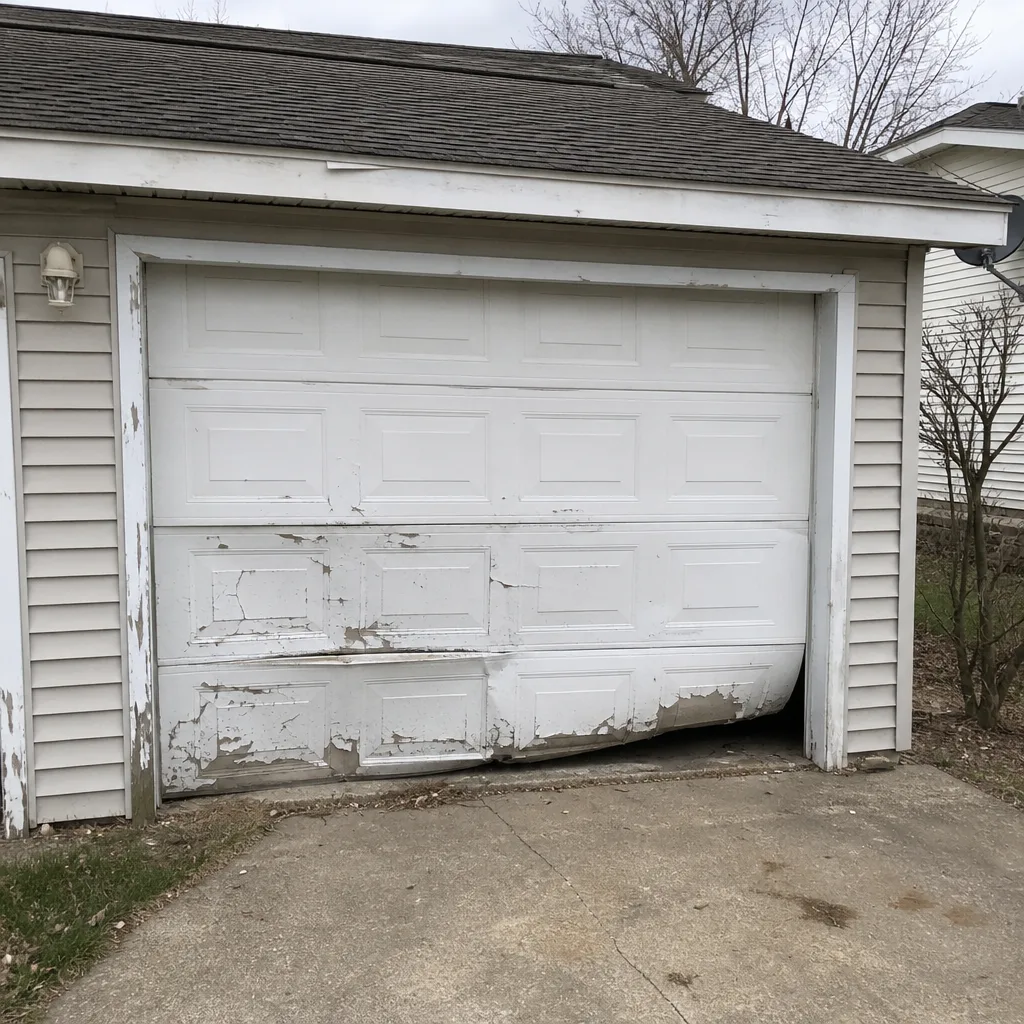 Before
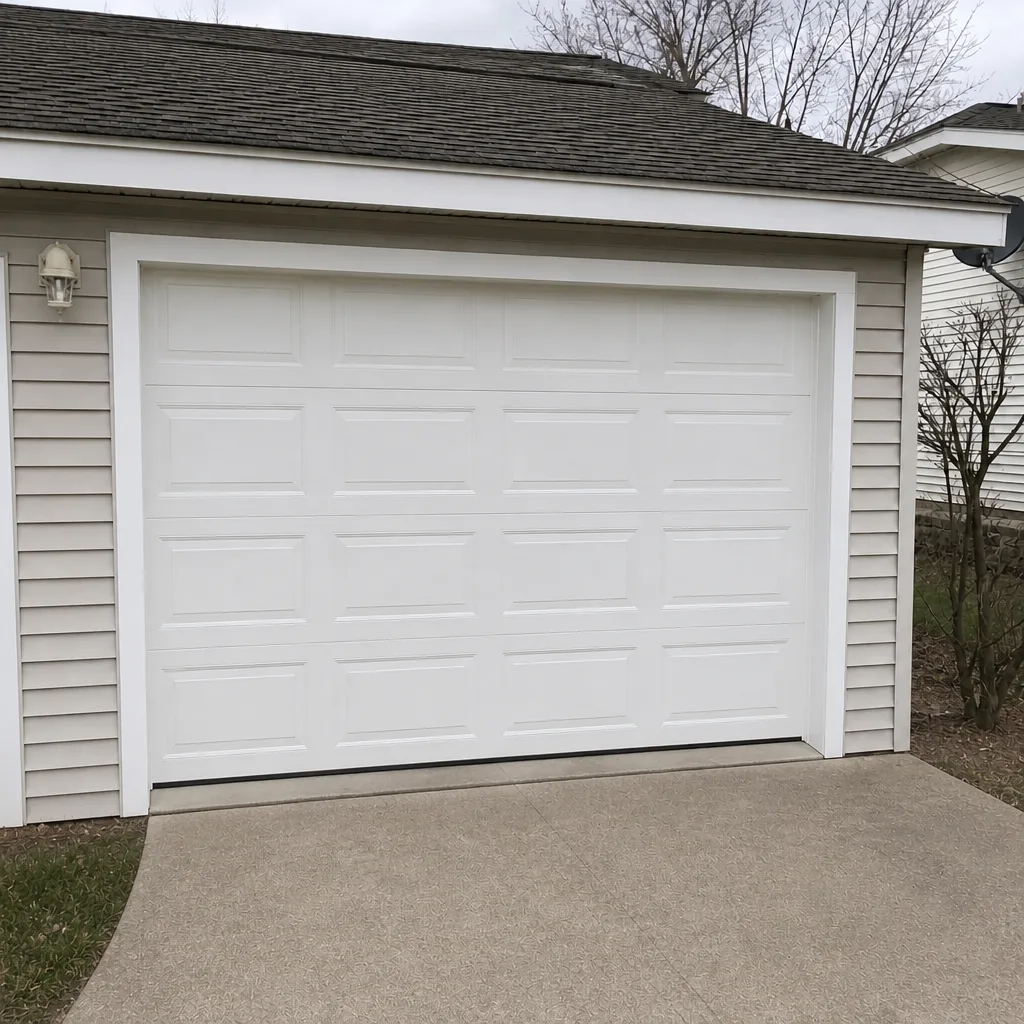 After
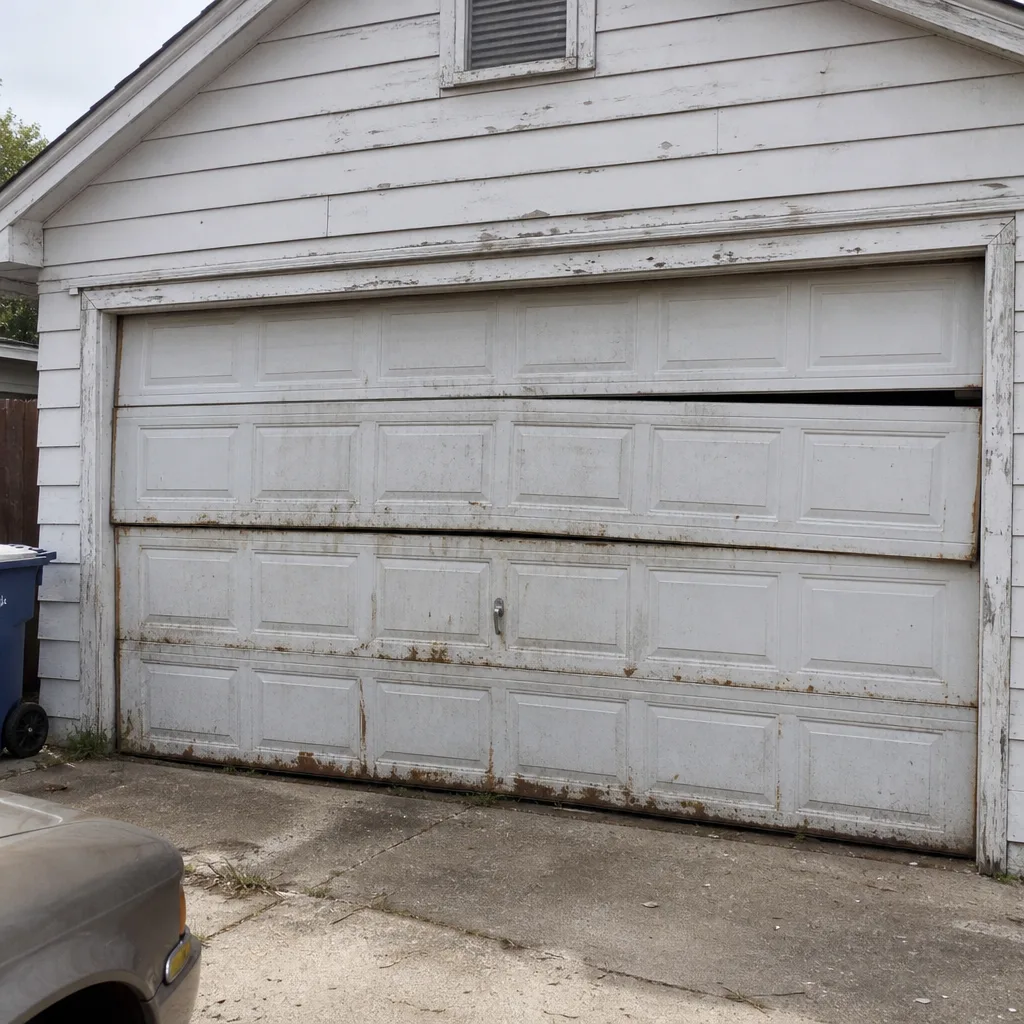 Before
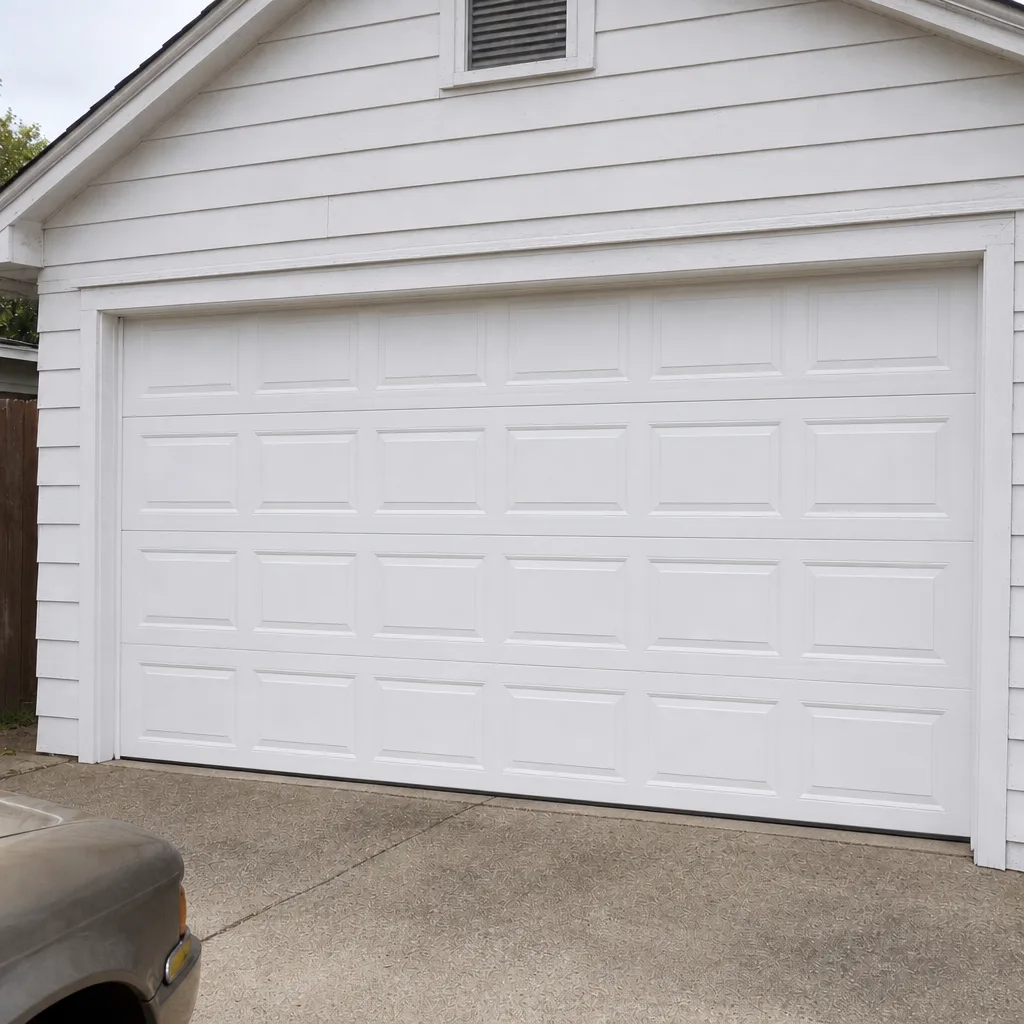 After
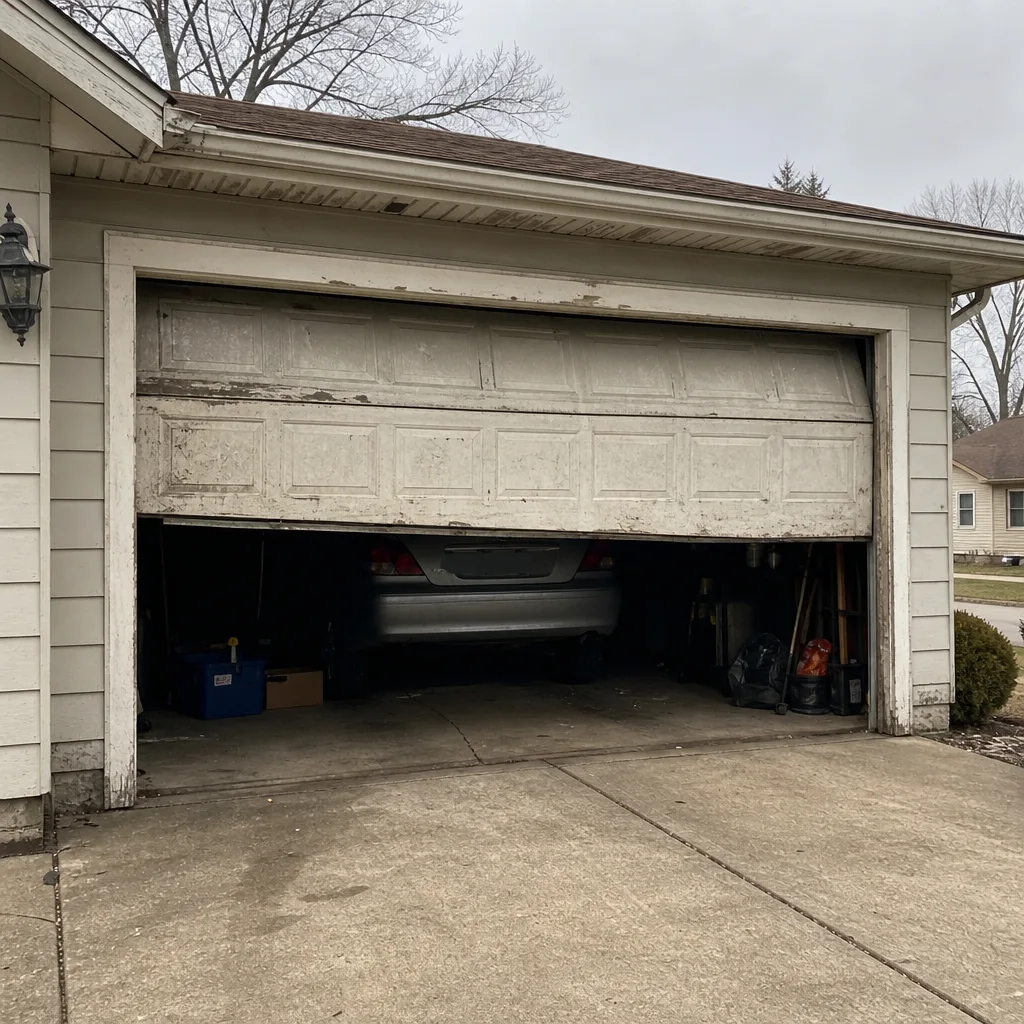 Before
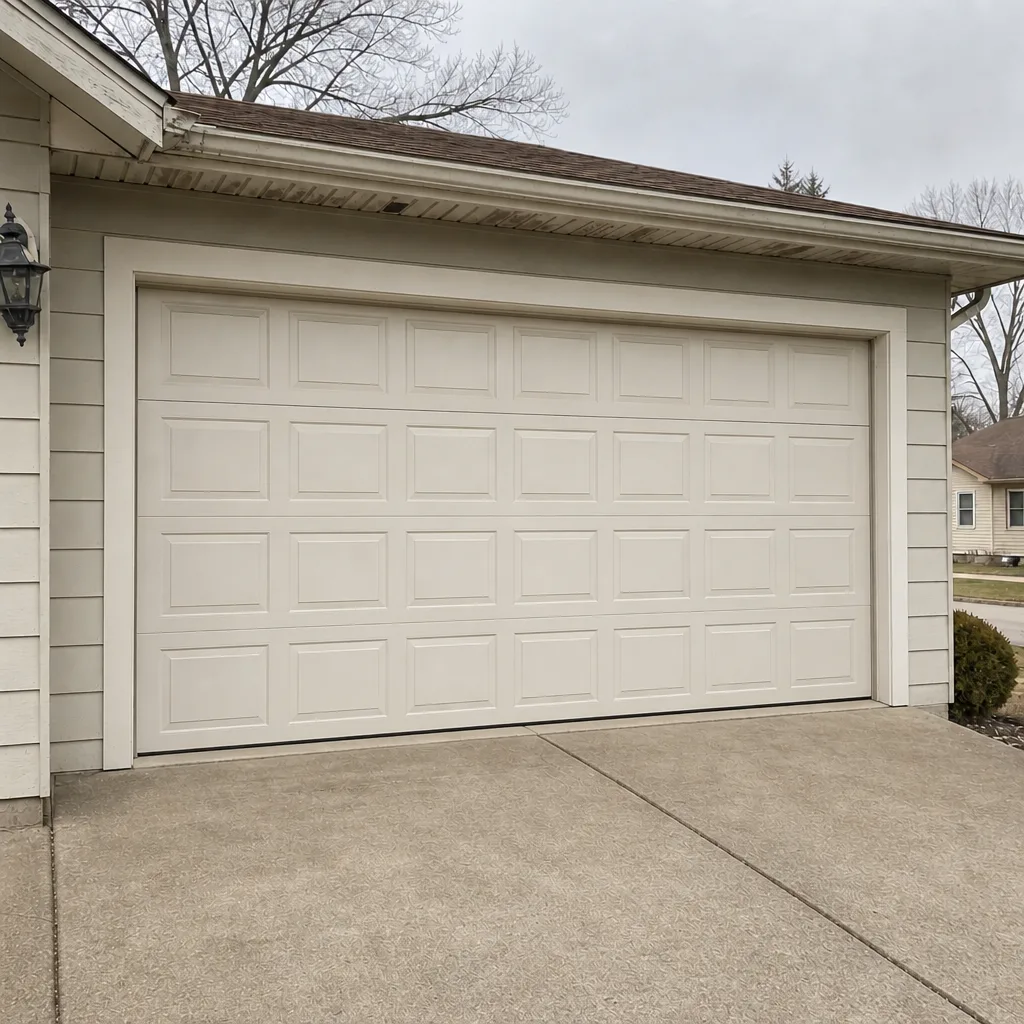 After
When to Call a Professional
Some garage door projects are safe to think about, and some aren’t. Spring work, cable work, and anything involving the door’s balance are genuinely dangerous. If a spring is broken, a cable is slack, or a door slams down instead of holding halfway, stop operating it and call a trained technician. Electrical work at the panel, gas lines near the garage, and any high-tension component are jobs for a licensed professional. For a permit question, the City of Joliet Building Division answers it best. For the door itself, Garage Door Repair Joliet Pros offers free estimates in Joliet, and we can tell you whether a job is repair-level or needs a permit-ready replacement. Call (833) 382-8894.
Frequently Asked Questions
Often no, and sometimes yes. A true like-for-like replacement of the same size and type of door on the same opening frequently proceeds without a permit, while a new opening, a structural change, or a change in size or door type generally requires one. Confirm with the City of Joliet Building Division for your address before ordering. Call (833) 382-8894 for a free estimate if you’d like a pre-check on what your project likely needs.
Permit fees vary with the scope of work, and the city sets the schedule for your specific job, so there’s no single answer that holds for every door. A door-only swap typically carries a smaller fee than a project with framing or a new opener circuit. The fee is usually a small part of the total project cost compared to a retrofit at resale. Call (833) 382-8894 for an estimate on the door work itself.
The inspection checks fit, balance, safety reversal on the opener, force settings, the manual release, and the electrical connection if an opener was part of the permitted work. Inspectors also look at labeling and, on attached garages, insulation and perimeter sealing. The goal is confirming the door operates safely and matches the permitted scope. If anything on your door looks off during the pre-check, call (833) 382-8894 for a free estimate.
The property owner. Illinois allows homeowners to act as their own contractor on their own residence and to pull permits for work on their home, while the contractor is responsible for the work meeting code. If the contractor agreed to file and didn’t, the homeowner still carries the liability at resale. Get the responsibility in the contract before work starts, and call (833) 382-8894 if you want the door work scoped for a permit.
You can, but the buyer’s inspection will usually ask about it, and the answer can result in a retroactive permit, an inspection, and corrections paid at the seller’s expense. It’s often cheaper to resolve it before listing than after an offer is on the table. A pre-listing pre-check from a garage-door specialist helps. Call (833) 382-8894 for a free estimate.
On an attached garage that shares a wall or ceiling with conditioned living space, yes, an insulated door is generally expected. The requirement depends on the exact configuration of your home, and the Joliet building division can confirm what applies to your address. Door choice, core type, and perimeter sealing all factor in. For a free estimate on an insulated door, call (833) 382-8894.
The Bottom Line
Garage door permits in Joliet come down to three questions. Does the job change the opening or the structure? Does it change the electrical or safety equipment? Is the door on an attached garage where insulation counts? If the answer is yes to any of them, a permit is likely required and worth filing before materials arrive. If the job is a true like-for-like swap, you may be able to skip it, but confirming with the building division takes minutes. Keep the signed-off permit and inspection report in the home’s records. That paperwork is what protects you when you sell or file a claim, and it’s the difference between a door that add value and one that becomes a negotiating problem.
If you’re ready to move on a repair, a replacement, or a permit-ready installation, call Garage Door Repair Joliet Pros at (833) 382-8894 for a free estimate. We service the brands you already own, including LiftMaster, Chamberlain, Genie, Clopay, Amarr, Wayne Dalton, Craftsman, and Raynor, and our technicians have up to 12 years of experience. Whether you need garage door opener repair or a full replacement scoped for Joliet’s code requirements, one call covers it.
Written by the team at Garage Door Repair Joliet Pros.