Last updated November 21, 2026
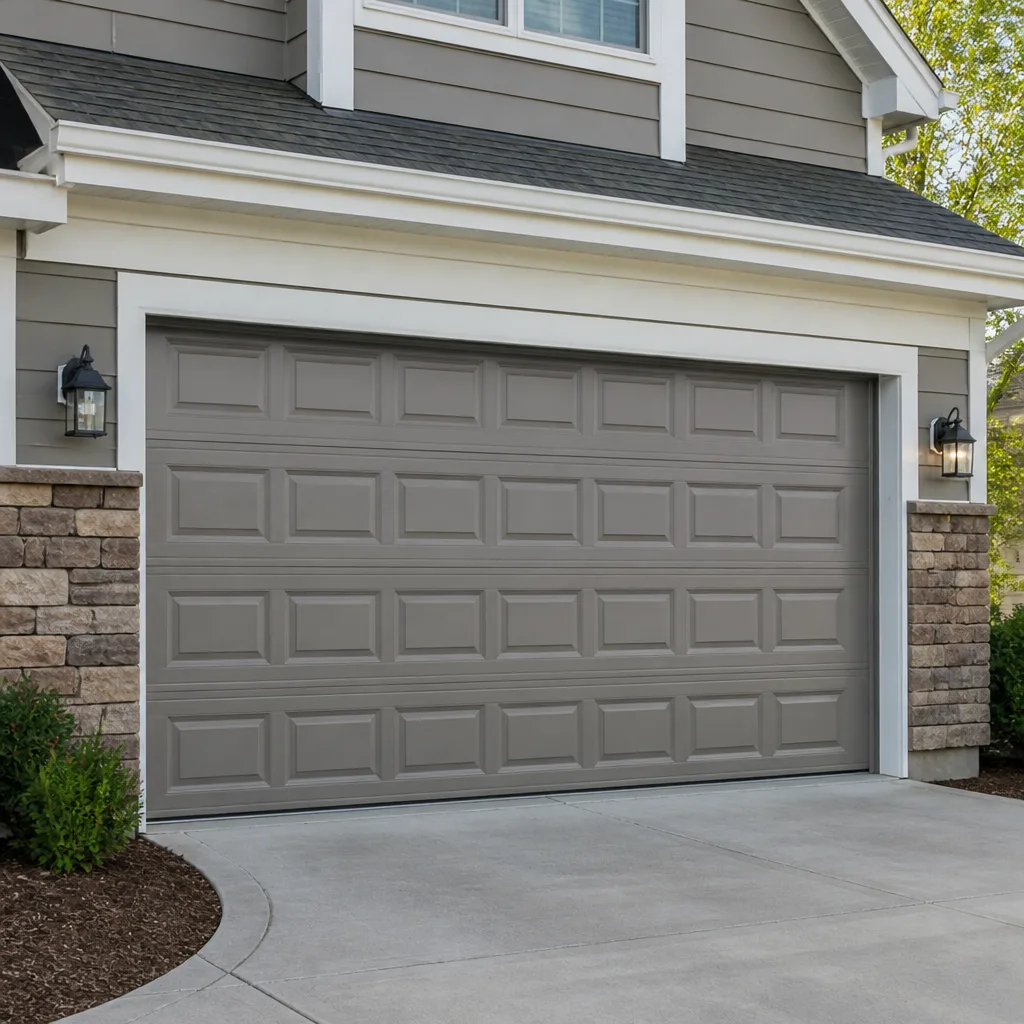 Raised-panel steel
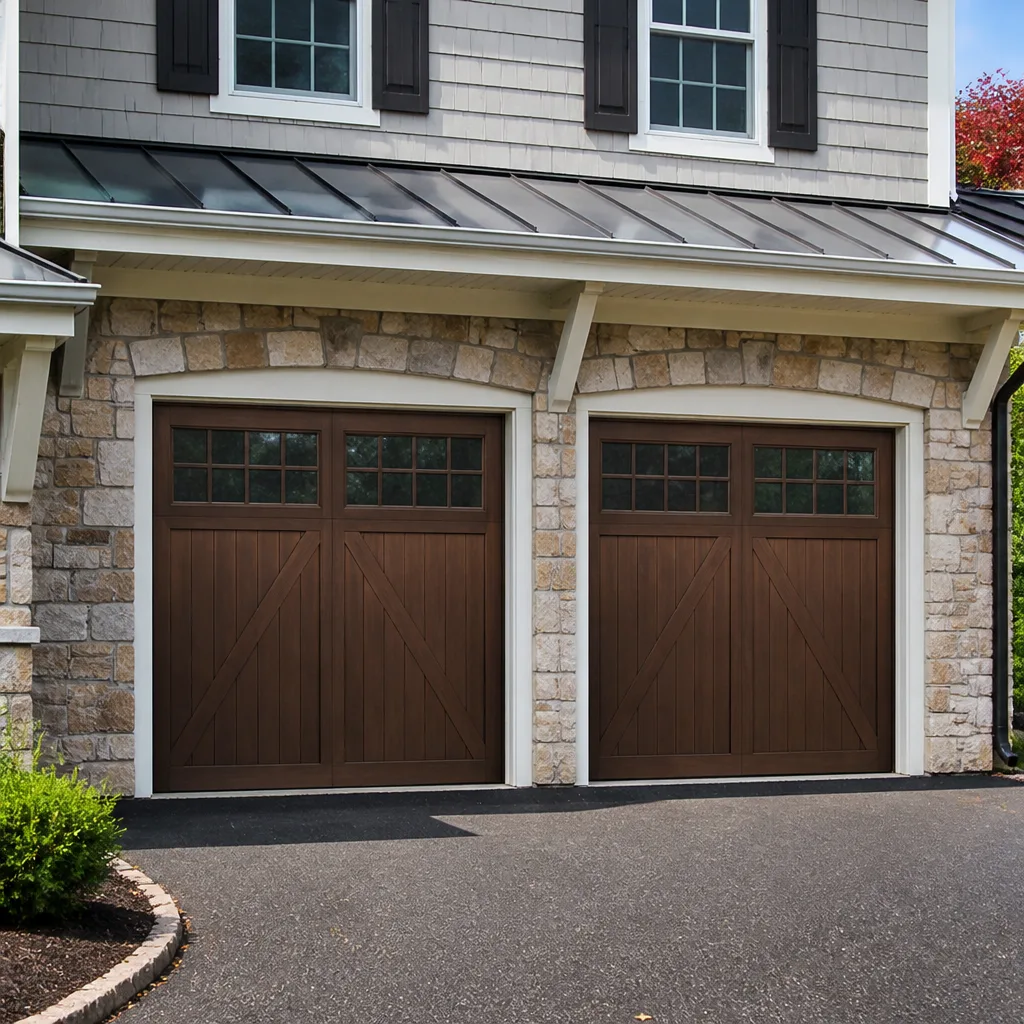 Carriage house
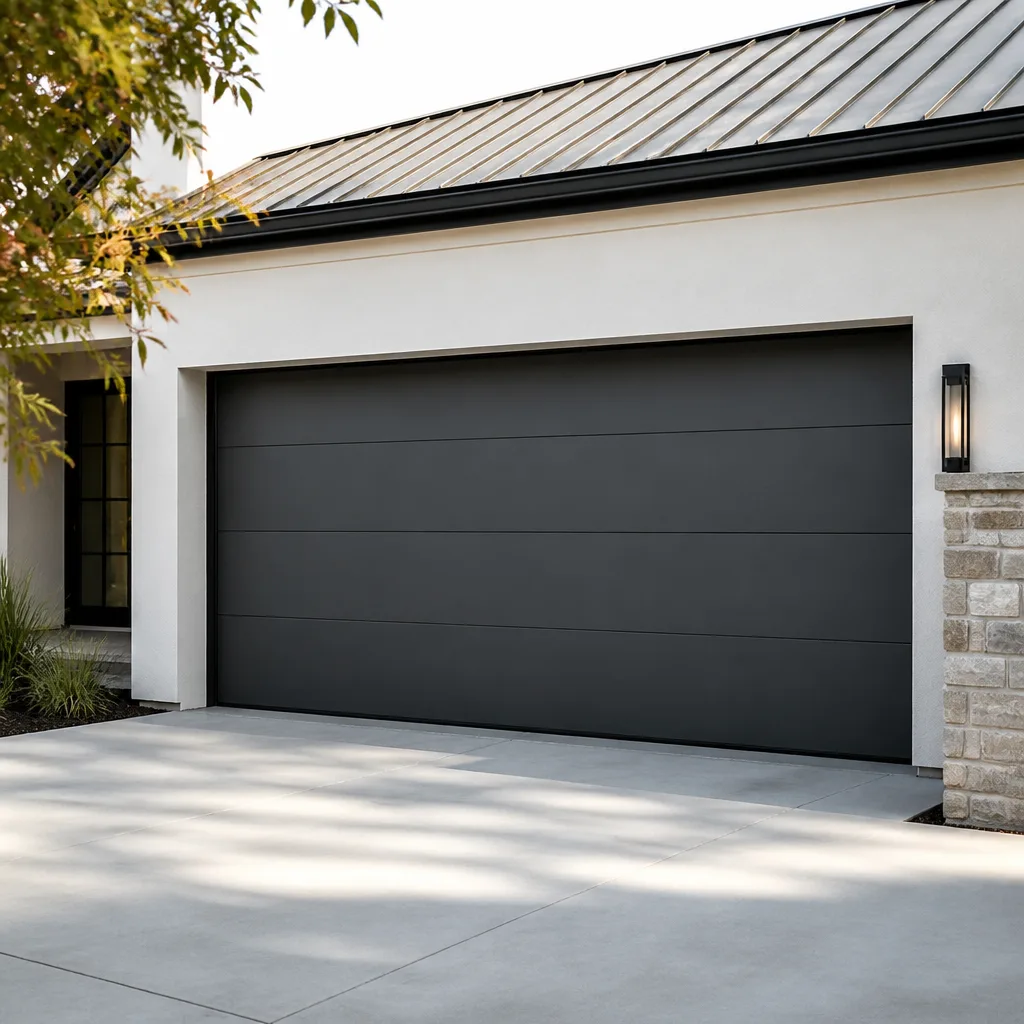 Modern flush
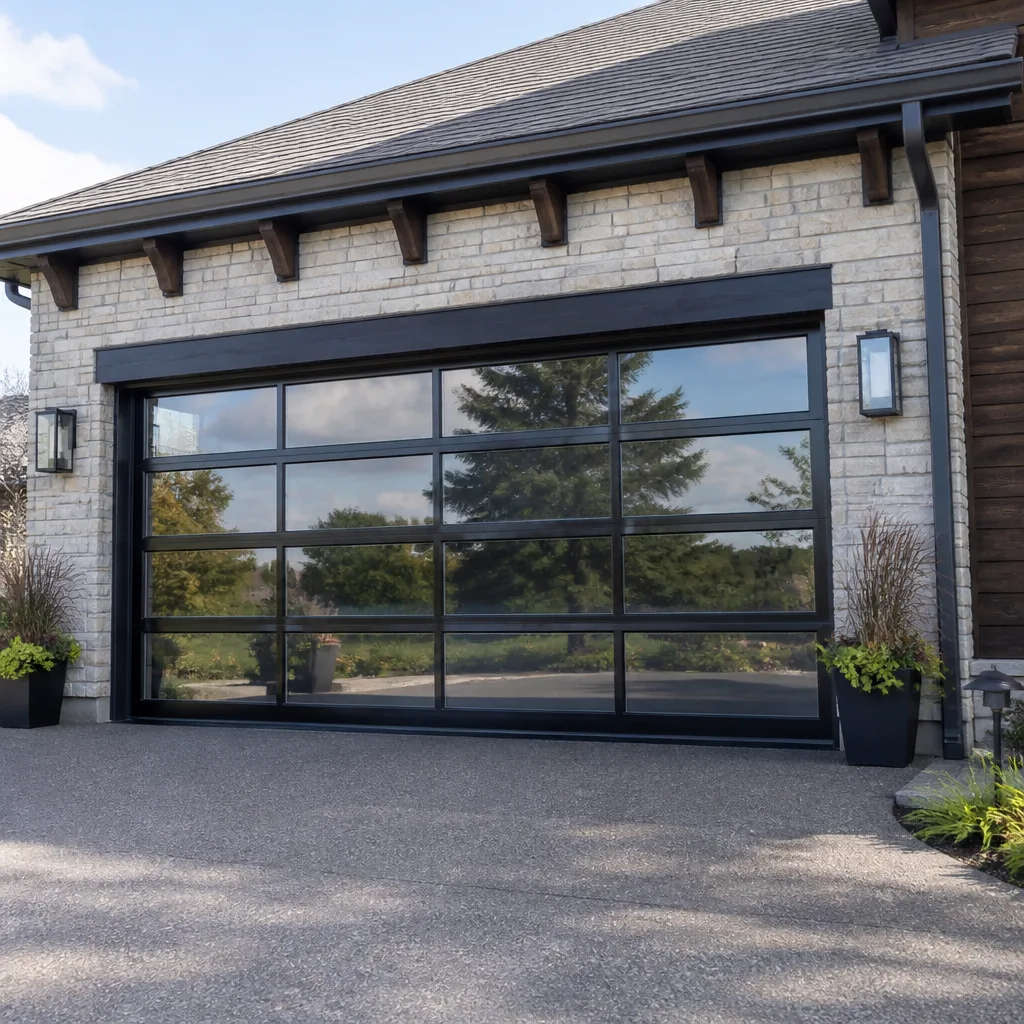 Full-view glass
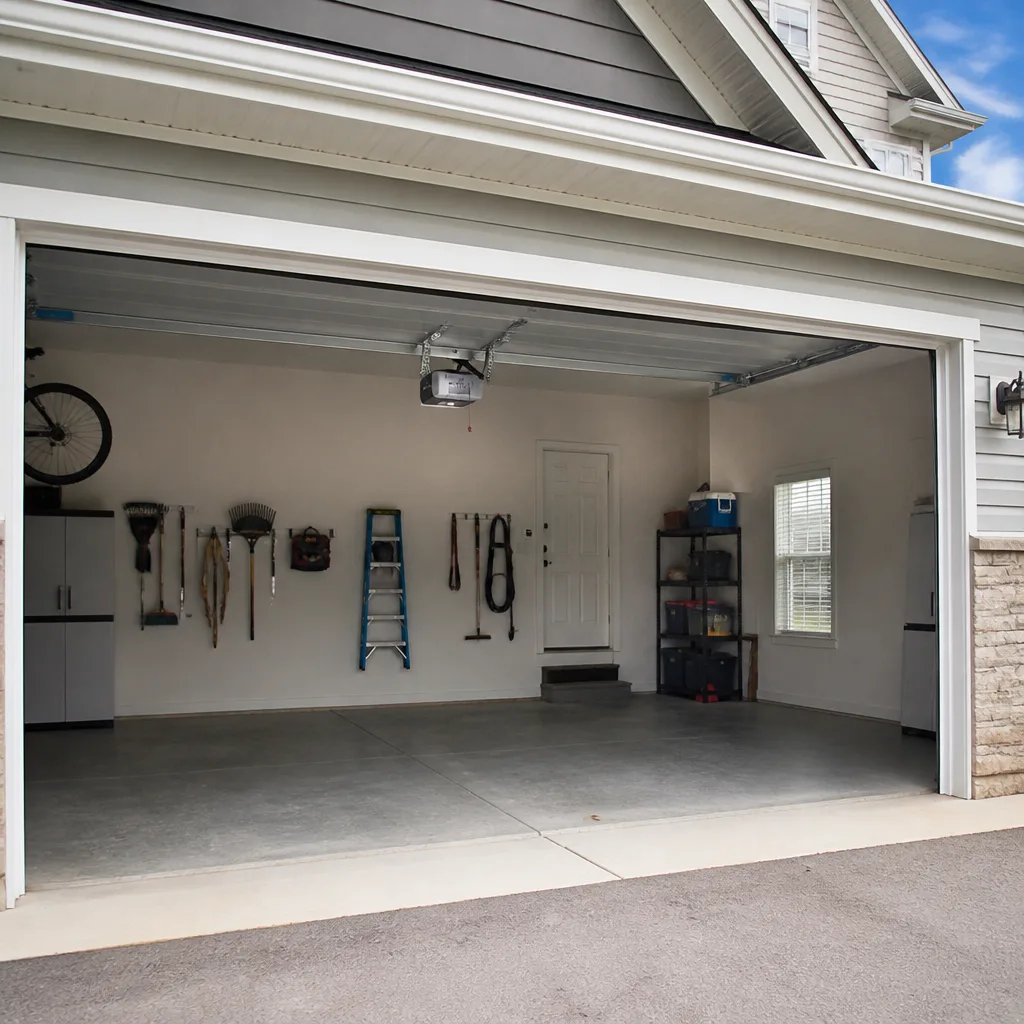 LiftMaster openers
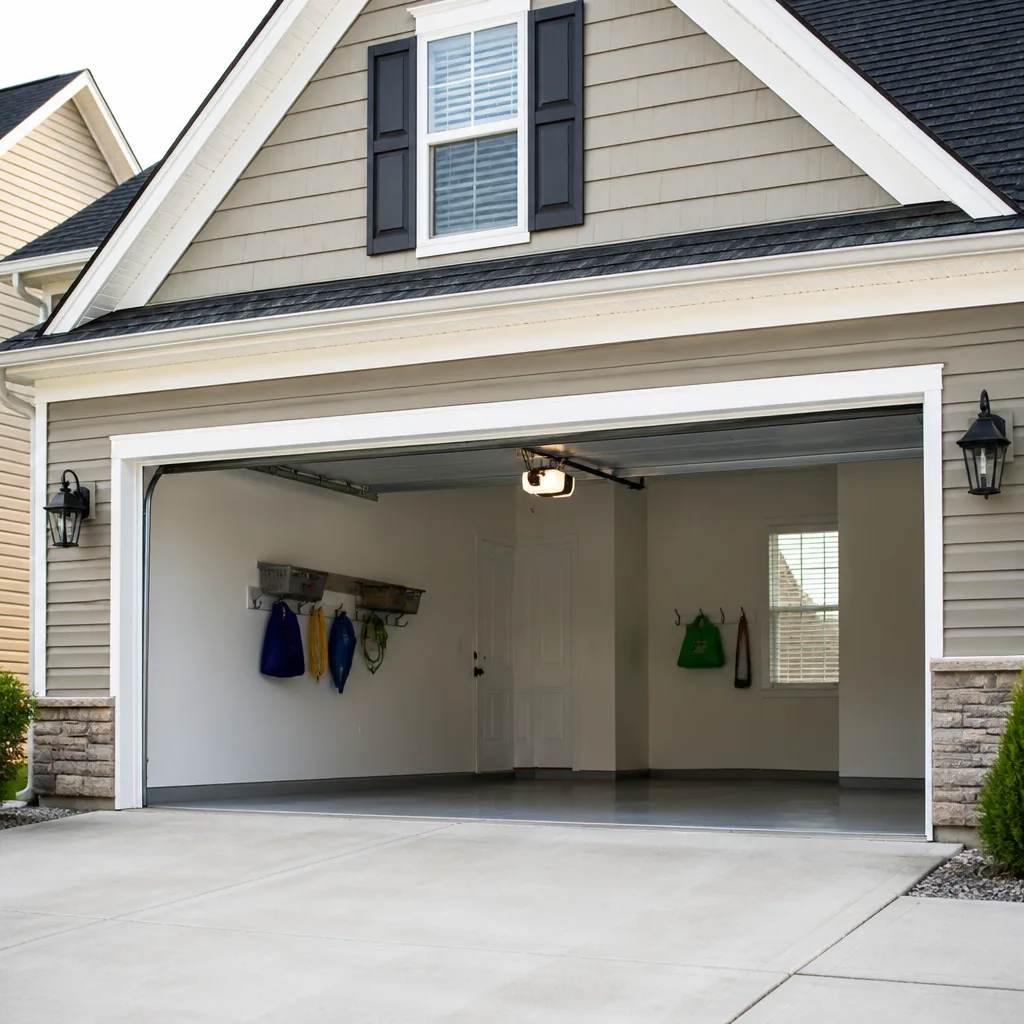 Chamberlain openers
Full 25-point door and opener safety check with every visit - springs, cables, rollers, tracks, and your LiftMaster or Chamberlain opener included
You get a price before we start. It does not change when the pro arrives.
Get your free estimateGarage Door Repair Maintenance Checklist for Joliet Homeowners
The number one cause of spring failure isn’t age. It’s low-cycle lubrication neglect – the kind a technician can spot in 30 seconds and a homeowner almost never checks. Springs don’t announce themselves before they break. They grind quietly, cycle after cycle, until the day the door slams down and won’t lift. We’ve built this checklist around the failure patterns that actually show up on calls in Joliet, not what a manufacturer’s manual tells you to inspect. Work through it twice a year and you’ll head off the three most common and expensive garage door failures before they happen.
Quick Answer
The most effective garage door maintenance checklist for Joliet homeowners covers six items: lubricate torsion springs, hinges, and rollers with the right product; test auto-reverse sensitivity using the CPSC-compliant method; inspect cables, drums, and rollers for wear; check weather seals and bottom rubber; tighten all fasteners and track bolts; and clear debris from the tracks. Do this in late October and early March to match Joliet’s temperature swings.
Styles & brands we work with
- Raised-panel steel
- Carriage house
- Modern flush
- Full-view glass
- LiftMaster openers
- Chamberlain openers
Table of Contents
- Why Spring Lubrication Comes First
- The Right Lubricant for Each Part – and What to Never Use
- How to Test Auto-Reverse Correctly
- The Visual Inspection Sequence, In Order
- Late October and Early March: Joliet’s Two Critical Windows
- Which Checklist Items Void Your Opener Warranty if Skipped
- Opener Maintenance for Smart and Belt-Drive Systems
- Common Mistakes to Avoid
- When to Call a Professional
- Frequently Asked Questions
Why Spring Lubrication Comes First
Torsion springs accumulate thousands of cycles per year in a household that uses the garage as the front door. Each cycle flexes the steel coil. Without a film of lubricant, the coils rub dry against each other, generating friction that accelerates metal fatigue. The spring doesn’t fail because it’s old – it fails because it’s been running dry. That distinction matters, because a homeowner can lubricate a spring twice a year for less than ten dollars and meaningfully extend its service life.
Here’s what to look for during a visual spring check:
- A visible gap in the coil. A broken torsion spring shows as a clean break somewhere along its length. If you see one, stop operating the door. Call for service immediately.
- Rust streaks or orange dust. This signals dry friction. The spring is wearing faster than it should.
- Sagging or uneven coil spacing. This can indicate uneven tension and a spring near the end of its life.
- Excessive noise during operation. A squeal or grind from the spring area usually means the coils are rubbing dry.
We can’t emphasize this enough: torsion springs are under extreme tension. Do not attempt to adjust, remove, or wind a torsion spring yourself. The stored energy in a wound spring can cause serious injury in an instant. Lubricating the coil with the door closed is safe because you’re not touching the winding mechanism – but anything beyond that belongs with a trained technician. Our team handles spring repair as a standard service because we see how often it’s mishandled. If you notice any of the signs above, our team can help with garage door repair that starts with a proper spring assessment.
The Right Lubricant for Each Part – and What to Never Use
Not all lubricants work the same way on a garage door. Using the wrong product can attract dirt, gum up hinges, or leave the tracks slippery in a way that causes the door to shift off balance. Here’s what to use where:
Torsion Springs
Use a dedicated garage door spring lubricant or a lithium grease spray designed for high-pressure contact points. Apply a light coat along the coil with the door closed. Wipe off excess. Do this every six months.
Hinges, Rollers, and Pivot Points
A silicone-based spray or white lithium grease works well here. Apply to each hinge pivot and roller bearing. Lift the door slightly to take pressure off the rollers while lubricating for better penetration.
Tracks
Here’s the one most homeowners get wrong: garage door tracks should not be lubricated. The rollers roll inside the track. Grease in the track collects grit, which then grinds into the rollers and the track surface. Keep tracks clean and dry. Wipe them down with a damp cloth and inspect for bends or dents.
What to Never Use
- WD-40. This is the big one. Standard WD-40 is a water displacer and light solvent, not a lasting lubricant. It evaporates quickly and can strip the protective lubricant that’s already on the spring or hinges. It also attracts dust. Never spray WD-40 on torsion springs, hinges, or tracks.
- Motor oil or cooking oil. These attract dirt and break down under temperature swings.
- Graphite powder on tracks. It sounds dry, but it packs into the track and creates grit buildup.
In Joliet, we see plenty of doors that were “lubricated” once with whatever was in the garage and then never touched again. The right product applied twice a year does more for your door than a dozen half-measures. For persistent noise or movement issues, garage door opener repair may be the better call if the problem traces to the motor rather than the hardware.
How to Test Auto-Reverse Correctly
The standard advice is to put a 2×4 under the door and see if it reverses. That’s close, but it’s not the full CPSC-compliant test. The U.S. Consumer Product Safety Commission requires two separate safety features to work: the mechanical auto-reverse (pressure sensing) and the photoelectric safety eyes (the beam across the opening). You need to test both.
Test the Photoelectric Eyes
- Close the door using the wall control or remote.
- While the door is closing, wave a broom handle or a long object across the beam path near the floor.
- The door should reverse direction immediately. If it doesn’t, the eyes are misaligned, blocked by debris, or the wiring is failing.
Test the Mechanical Auto-Reverse
- Place a 2×4 flat on the ground in the center of the door opening.
- Close the door from the wall control.
- When the door contacts the board, it should reverse and return to the fully open position. If it stops without reversing, the force sensitivity is set too high or the mechanism is out of adjustment.
Some newer openers also have a “force adjustment” on the back of the motor housing. Adjusting this is a matter of small turns with a screwdriver. If you’re not sure which direction lowers the force, don’t guess – a door that fails to reverse is a real safety concern. That’s one of the situations where our same-day service in Joliet matters. We carry the tools and replacement sensors to fix it in one visit, provided everything’s in stock for your opener brand. We service LiftMaster and Chamberlain openers along with every other major system on the market.
The Visual Inspection Sequence, In Order
A technician runs a garage door inspection in a specific order. Each step confirms or eliminates a problem before moving to the next. You can follow the same sequence at home.
Step 1: The Balance Test
Disconnect the opener using the emergency release cord. Lift the door manually to about halfway. It should stay there by itself. If it drifts down or up, the springs are out of balance. Don’t try to adjust them – call a professional.
Step 2: Cables and Drums
Look at the cables running along each side of the door. Check for fraying, kinks, or slack. Inspect the cable drums at the top of each side for wear on the grooves. A frayed cable can snap without warning. If you see strands broken or a cable that’s loose, stop using the door.
Step 3: Rollers and Hinges
Roll through each roller by hand. It should spin freely with no wobble. Look for flat spots or cracks in the wheels. Check each hinge for tight screws and bent metal.
Step 4: Tracks
Run your hand along the inside edge of each track. You’re feeling for dents, bends, or debris. Pay close attention to the curved section at the top. A minor bend there can cause the door to bind.
Step 5: Panels and Seals
Check the bottom rubber seal for cracks or gaps. Run a hand along the door panels to feel for dents. Check the weatherstripping around the sides and top. In Joliet, cold winters make the bottom seal crack faster than in warmer regions.
Step 6: Fasteners
Tighten every bolt on the hinges, the track brackets, and the opener rail. Vibration loosens hardware over time. This single step prevents most minor rattles.
Late October and Early March: Joliet’s Two Critical Windows
Joliet gets the full range of midwestern temperature swings. Summer heat expands metal. Winter cold contracts it. The two points where that transition is most dramatic are late October, when the first hard freeze settles in, and early March, when the ground thaws and temperatures start climbing. Those are your maintenance windows.
Why these dates specifically?
- Late October: Cold contracts the spring coils and stiffens the grease. If your springs are already near the end of their life, this is when they break. Lubricating before the cold settles in gives the springs a protective film that holds through the winter.
- Early March: The freeze-thaw cycle works on the bottom seal, the concrete, and the track brackets. After a winter of expansion and contraction, hardware needs re-tightening and seals need inspection before summer heat.
There’s a practical scheduling reason too. Joliet winters are hard on garage doors, and the spring repair backlog grows as the cold drags on. Homeowners who do their lubrication and inspection in October tend to need fewer emergency calls in January. That’s not a guarantee, but the pattern holds. Getting on the calendar early is always easier than calling after the door won’t open.
Routine maintenance in Joliet costs less than most emergency repairs. A spring pair replacement typically runs $180 – $340 per spring, so a matched pair is roughly double that. A lubrication and inspection call costs far less, and it catches problems while they’re still small. When a repair turns into something bigger, we also handle garage door installation so you’re not finding a second company mid-job.
Which Checklist Items Void Your Opener Warranty if Skipped
Opener warranties have maintenance requirements that most homeowners never read. Skip them and a valid warranty claim can become a denied claim. Here’s what we see most often with LiftMaster and Chamberlain units, the two most common smart opener brands in the area.
Required Items That Affect Warranty
- Lubrication records. Many manufacturers require documented lubrication. Keep a simple log – date, product, and which parts were treated. It takes thirty seconds to fill out.
- Balance test results. An unbalanced door puts extra strain on the opener motor. If the motor fails and the door was never balanced, the manufacturer can deny the claim on the basis that the opener was operating outside its rated load.
- Proper bulb usage. Some openers specify a particular bulb wattage and type. Using a high-wattage incandescent bulb in a modern opener can damage the control board and void the warranty. Check your manual.
- Force adjustment changes. Turning up the force to compensate for a stiff door is a common shortcut. It masks the problem and stresses the motor. It also voids coverage in most cases.
- Untreated electrical issues. If the opener is on a circuit that trips or a wall control that flickers, that’s an electrical problem. Ignoring it risks the control board and, if the board fails, may not be covered.
We service LiftMaster and Chamberlain systems regularly and see these warranty gaps on nearly every call. If your opener is one of those brands, or a Genie or Craftsman model, check the manual before you make any adjustment. It saves arguments later.
Opener Maintenance for Smart and Belt-Drive Systems
Smart openers and belt-drive units need slightly different attention than older chain-drive models. App-connected openers from LiftMaster and Chamberlain have a Wi-Fi module and a control board that don’t respond well to power surges or extreme temperature swings. If your opener loses its Wi-Fi connection after a storm, that’s usually the module, not the motor.
Belt-drive openers run quieter than chain drive but the belt needs occasional tension checking. A belt that’s too loose will slack and slip. A belt that’s too tight will wear out the bearings. Check the belt tension every six months when you do the lubrication round.
Screw-drive and chain-drive systems need greasing more often, especially in the dry winter months. The manufacturer’s manual specifies the interval. Most say every six months for the drive mechanism itself.
Regardless of the opener type, never operate the door with the opener disengaged and the spring broken. That mistakes weight for tension and can damage the opener motor or snap a cable. If the door feels heavy or won’t hold position, leave it disengaged and call. Our technicians have up to 12 years of experience across the eight major brands, so whatever system is in your garage, we can diagnose it in one visit.
Common Mistakes to Avoid
- Spraying WD-40 on the springs. It feels like the right move and it makes things quieter for a day. But WD-40 is a solvent, not a lasting lubricant, and it strips the protective film that your springs need.
- Lubricating the tracks. Grease in the tracks collects grit from Joliet’s roads and streets, then grinds into your rollers. The tracks should stay clean and dry.
- Skipping the balance test. It’s the fastest way to find a broken spring or a worn cable before it fails. If the door won’t hold position when you lift it manually, stop and call.
- Testing auto-reverse with just the 2×4. That checks the pressure sensor but not the photoelectric eyes. Both need testing, and the eye test is the one that catches most failures.
- Turning up the opener force to close a stiff door. This is a warranty issue and it’s masking a problem that will only get worse. The fix is spring tension, not motor power.
- Ignoring weatherstripping and the bottom seal. Cold Joliet winters crack the bottom seal quickly. A cracked seal lets in water, which freezes in the track and binds the door. Check seals every fall.
- Waiting for the door to fail before booking maintenance. The cost of a lubrication and inspection call is minor compared to an emergency spring replacement. The door that fails at 6am is a harder problem than the door that gets a spring replaced on a scheduled call.
See the difference
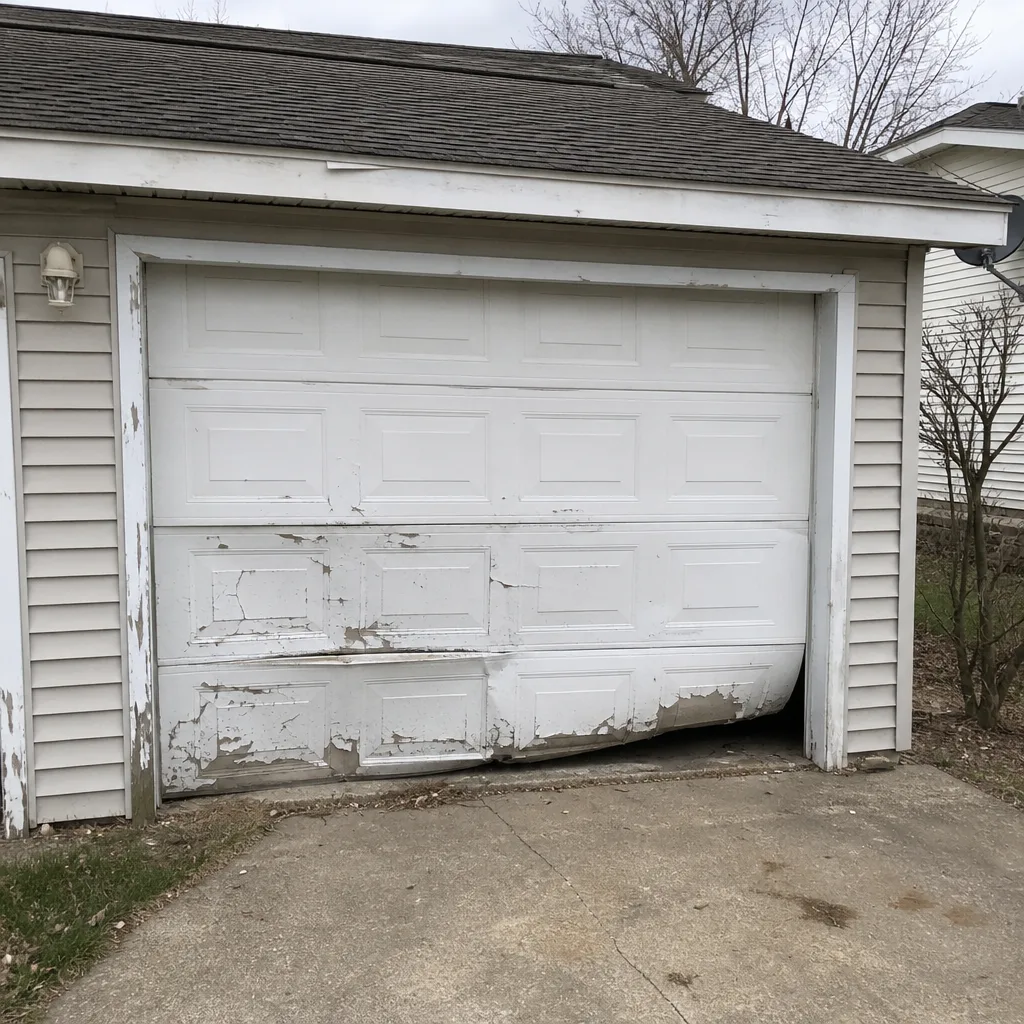 Before
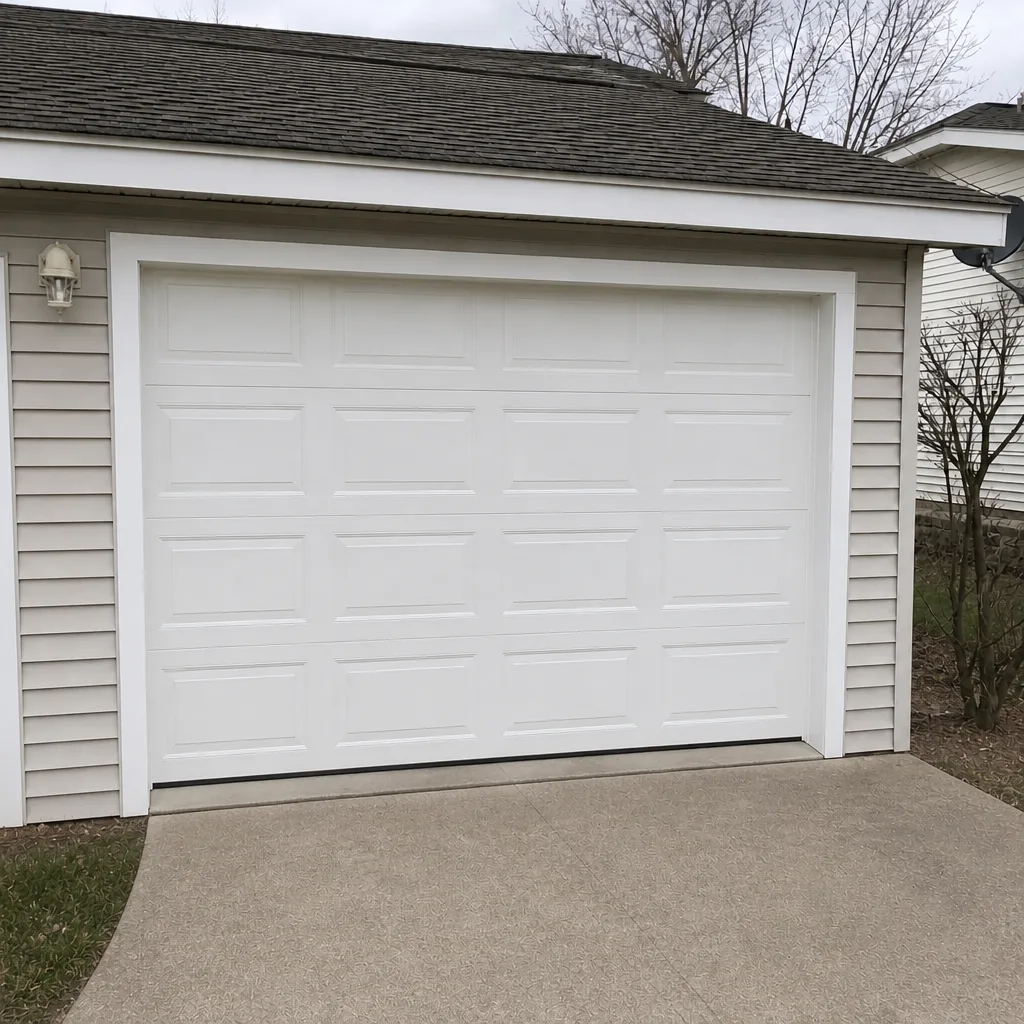 After
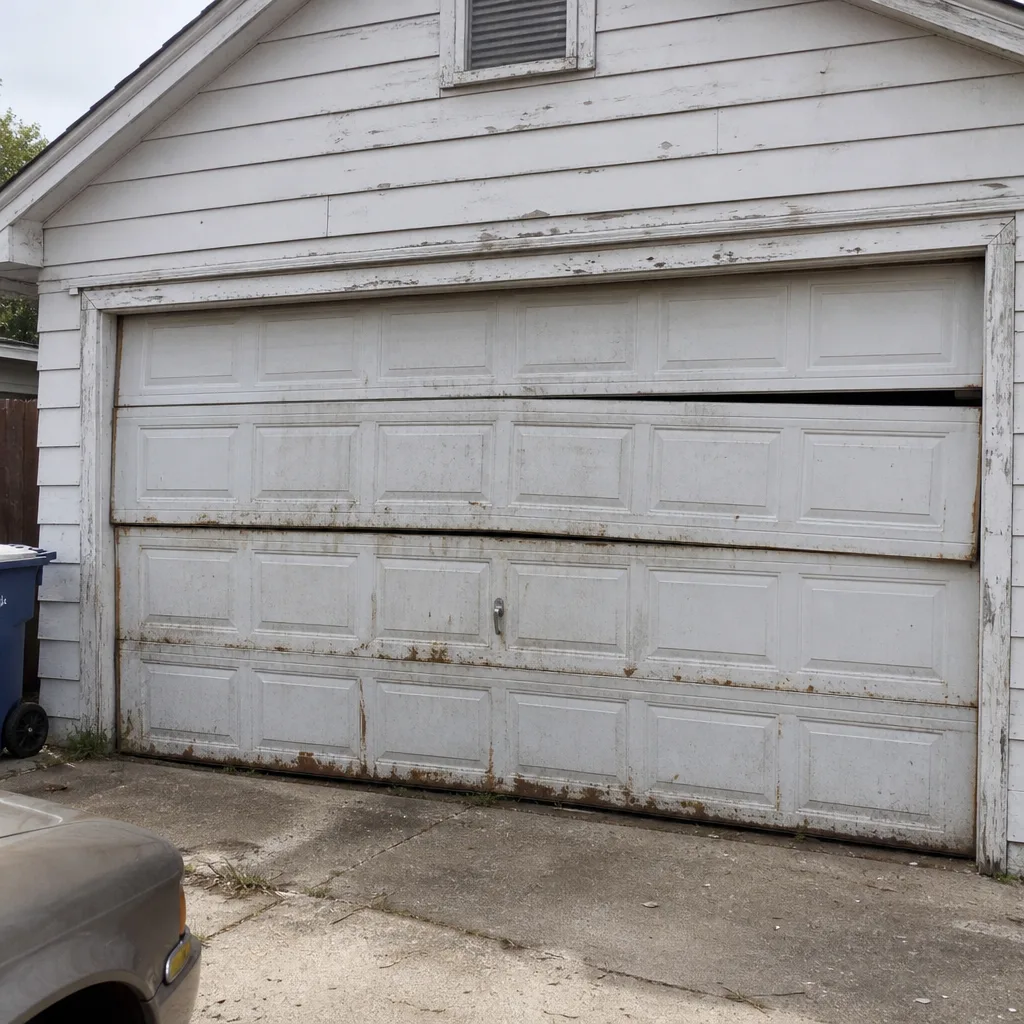 Before
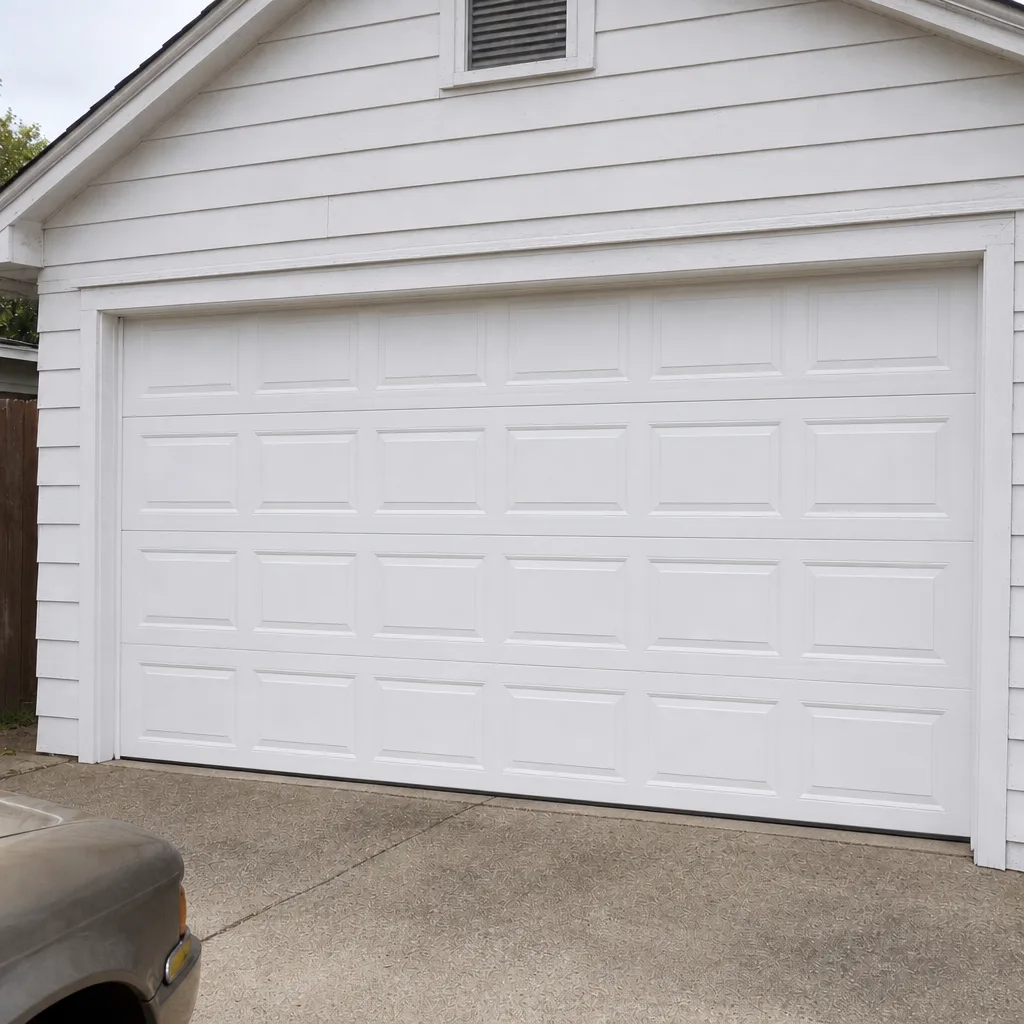 After
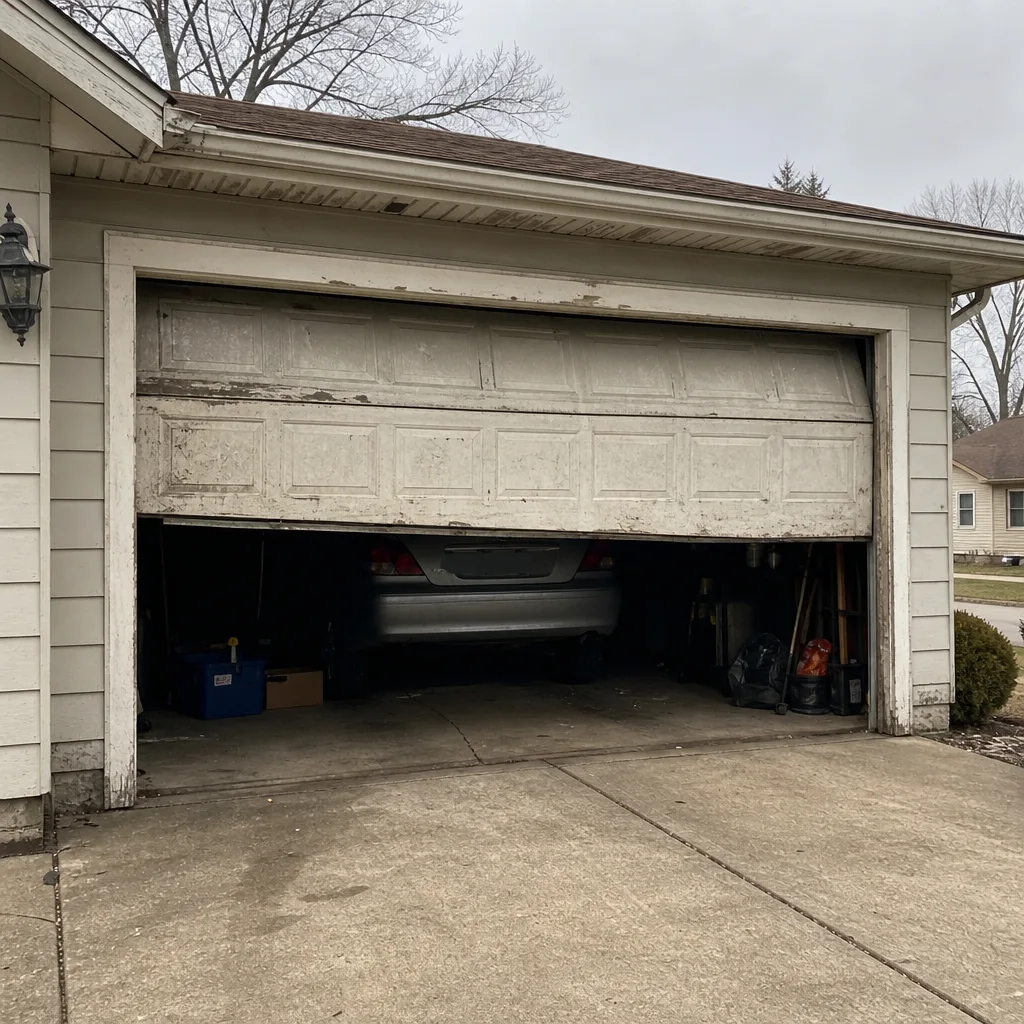 Before
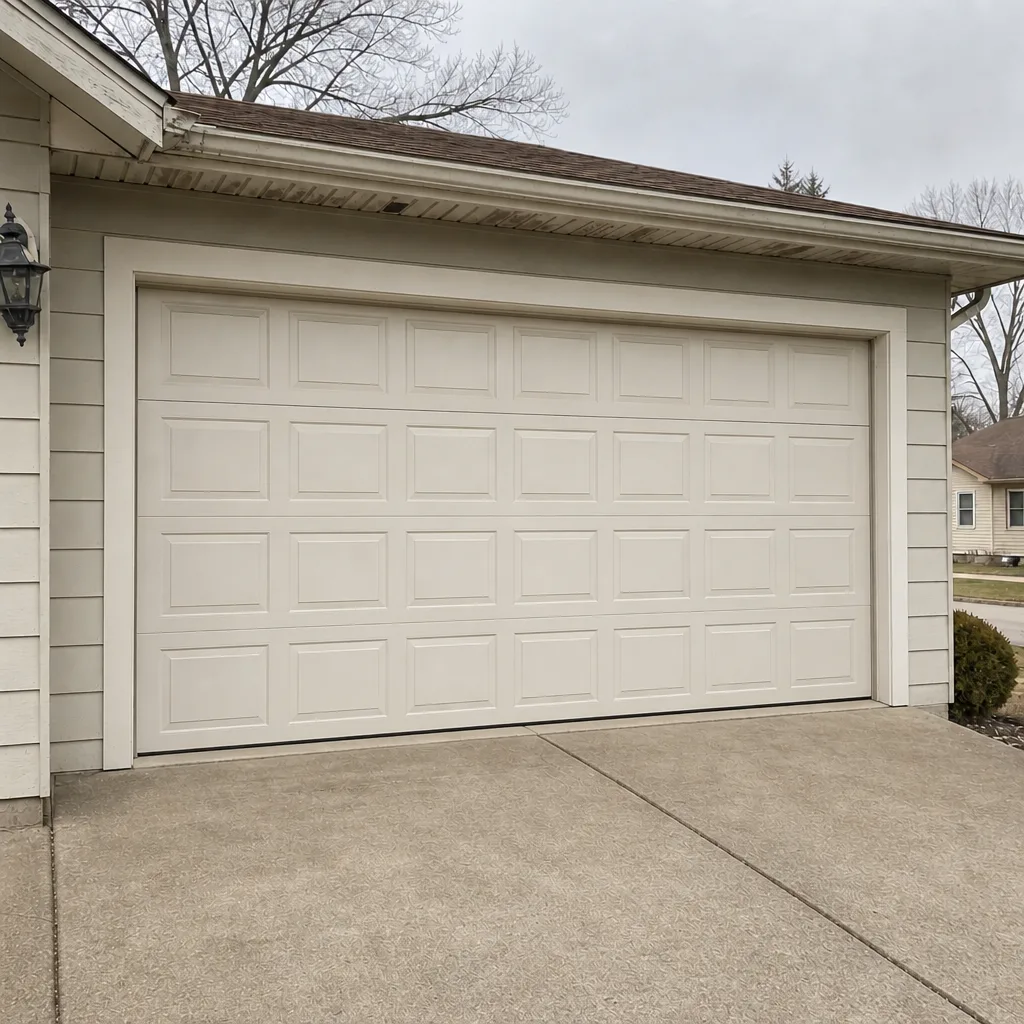 After
When to Call a Professional
Some jobs are fine for a homeowner with a can of lithium grease and a screwdriver. Others need a trained technician. Call for help if any of these apply:
- The spring is broken or the door won’t lift at all.
- A cable is frayed, kinked, or visibly damaged.
- The door comes off the track or won’t close evenly.
- The opener reverses immediately or won’t respond to the remote.
- The balance test shows the door won’t hold position when lifted halfway.
- You hear a loud snap or bang from the spring area.
Garage Door Repair Joliet Pros offers free estimates in Joliet. Emergency service is available for urgent situations like broken springs, doors off track, and openers that won’t respond. Call (833) 382-8894 and we’ll book a time. When your garage door is the problem, it’s the only problem – we treat it that way.
Frequently Asked Questions
Twice a year is enough for most doors: once in late October before the cold sets in and once in early March after the thaw. Doors that get heavy daily use benefit from a third round in midsummer. Use a dedicated garage door lubricant on the springs and hinges, and never put lubricant on the tracks.
Broken torsion springs are the most common. The reason isn’t usually the age of the spring – it’s dry friction from lack of lubrication combined with the temperature swings that come with midwestern seasons. A spring that’s been running dry for years has been wearing at an accelerated rate. Lubricating twice a year gives you a real chance to extend its life.
Yes, if you’re applying a light coat of lubricant to the coil with the door closed. That step is safe because you’re not touching the winding mechanism or adding tension. Anything else – adjusting the spring, removing it, or winding the torsion bar – is dangerous and should be done by a trained technician. The stored energy in a wound spring can cause serious injury.
Spring replacement is typically estimated at $180 – $340 per spring, so a matched pair usually costs about twice that. The final price depends on the door and the exact setup. We quote and agree on a written price before any work starts, so there’s no surprise at the end. Call (833) 382-8894 for an exact quote – estimates are free.
It can. Most opener warranties require proper lubrication, a balanced door, and correct bulb wattage. If the motor fails on an unbalanced door, the manufacturer can deny the claim because the opener was running outside its rated load. Keep a simple maintenance log so you have records if you ever need them.
Most stuck-door calls we can handle the same day, provided parts for your brand are in stock. We service eight major brands, so the odds are good. Call and describe what’s happening – the door stuck open, stuck closed, or off track – and we’ll tell you what we can do and when we can get there.
The Bottom Line
A garage door maintenance checklist worth following is built around what actually fails. In Joliet, the pattern is clear: springs go first when they’re neglected, balance issues get masked by higher force settings, and the bottom seal takes a beating every winter. The fix isn’t complicated – lubricate correctly, inspect in the right order, test auto-reverse the full way, and time your maintenance around the October and March temperature swings. The parts that matter most aren’t the expensive ones. They’re the cheap ones, replaced or maintained on schedule. Our technicians have up to 12 years of experience with the brand you already have, from opener to panels, in one call.
Garage Door Repair Joliet Pros
Call (833) 382-8894 for a free estimate in Joliet. Emergency garage door service is available for urgent situations, and every price is quoted and agreed before any work starts.
Written by the team at Garage Door Repair Joliet Pros.