Last updated November 21, 2026
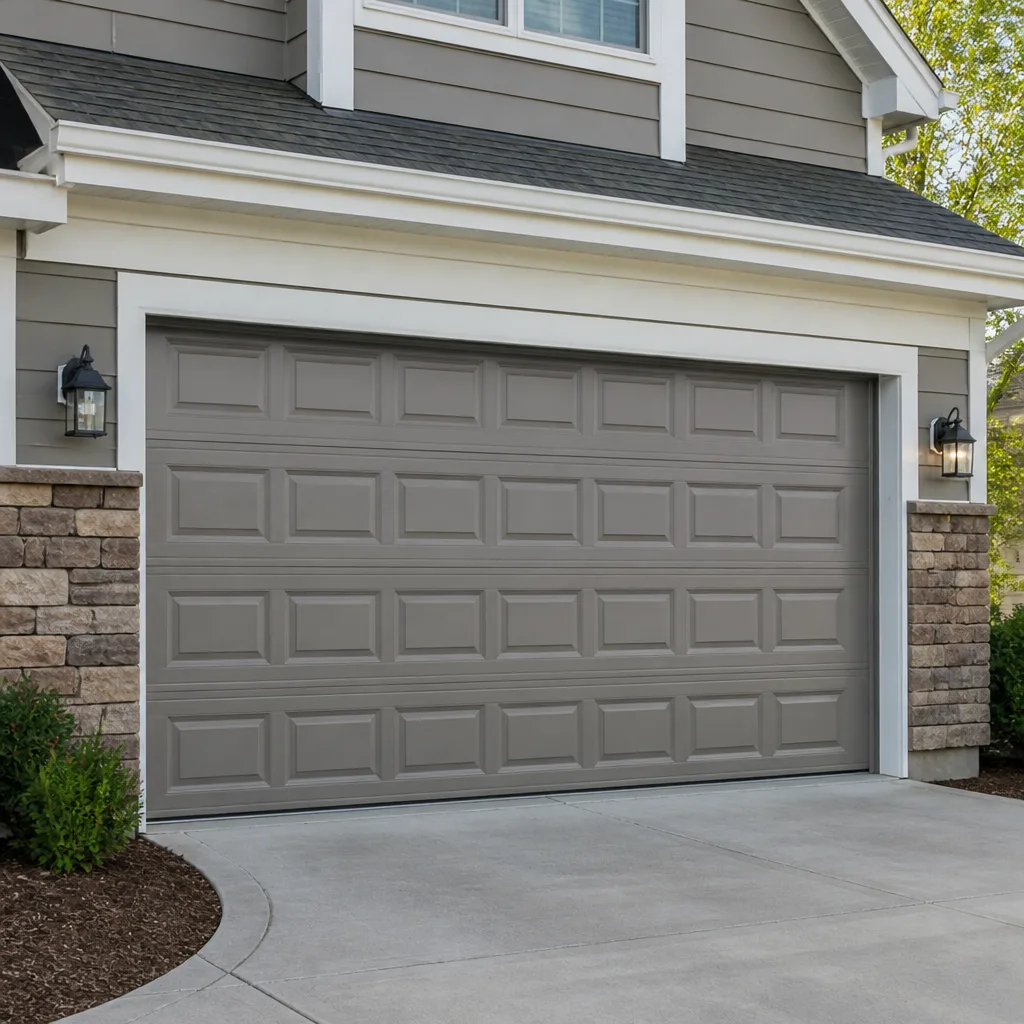 Raised-panel steel
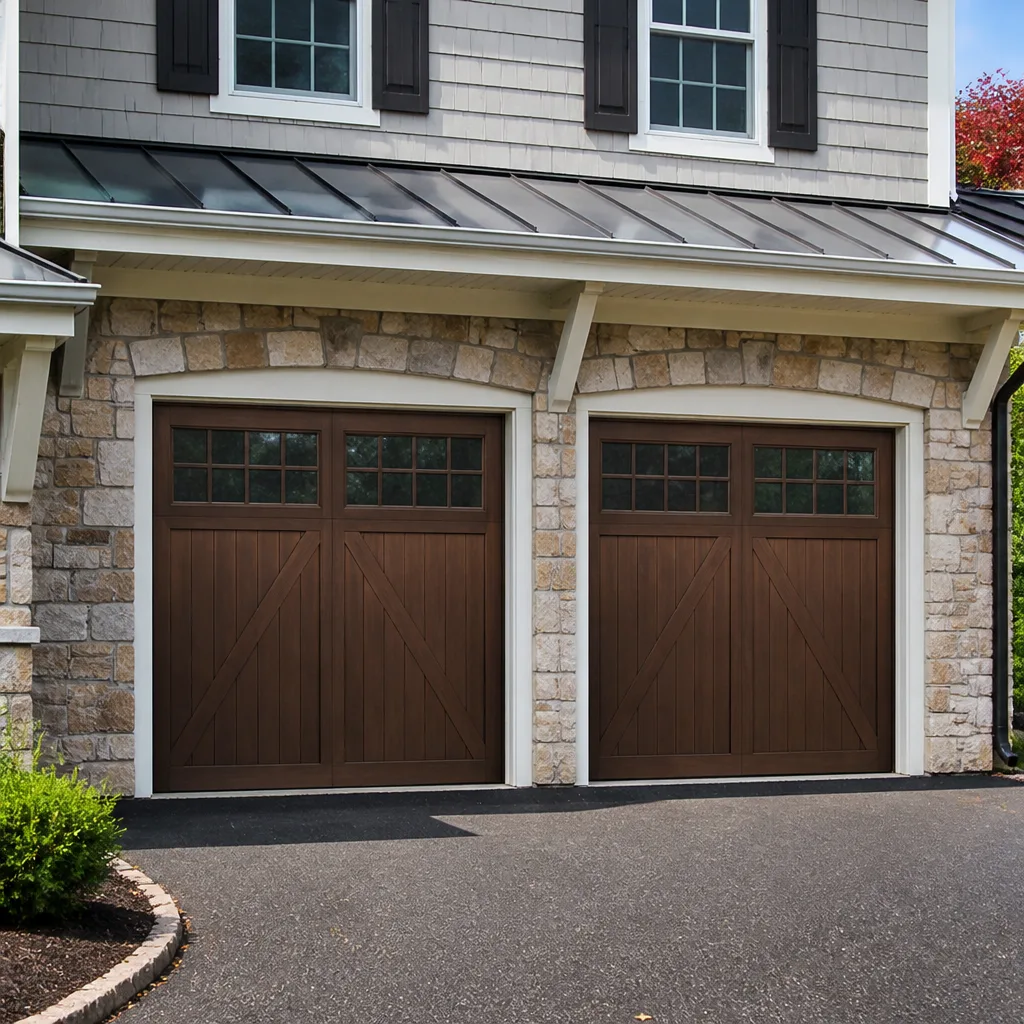 Carriage house
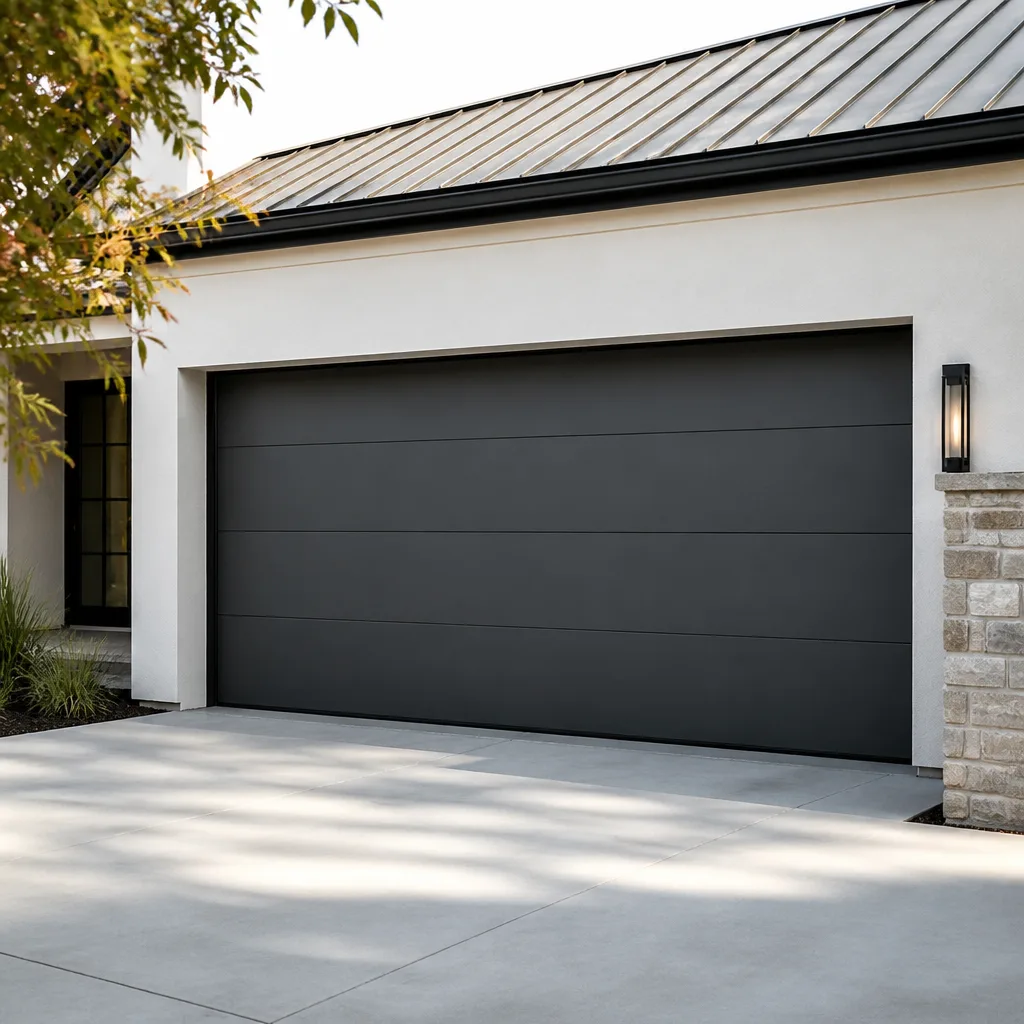 Modern flush
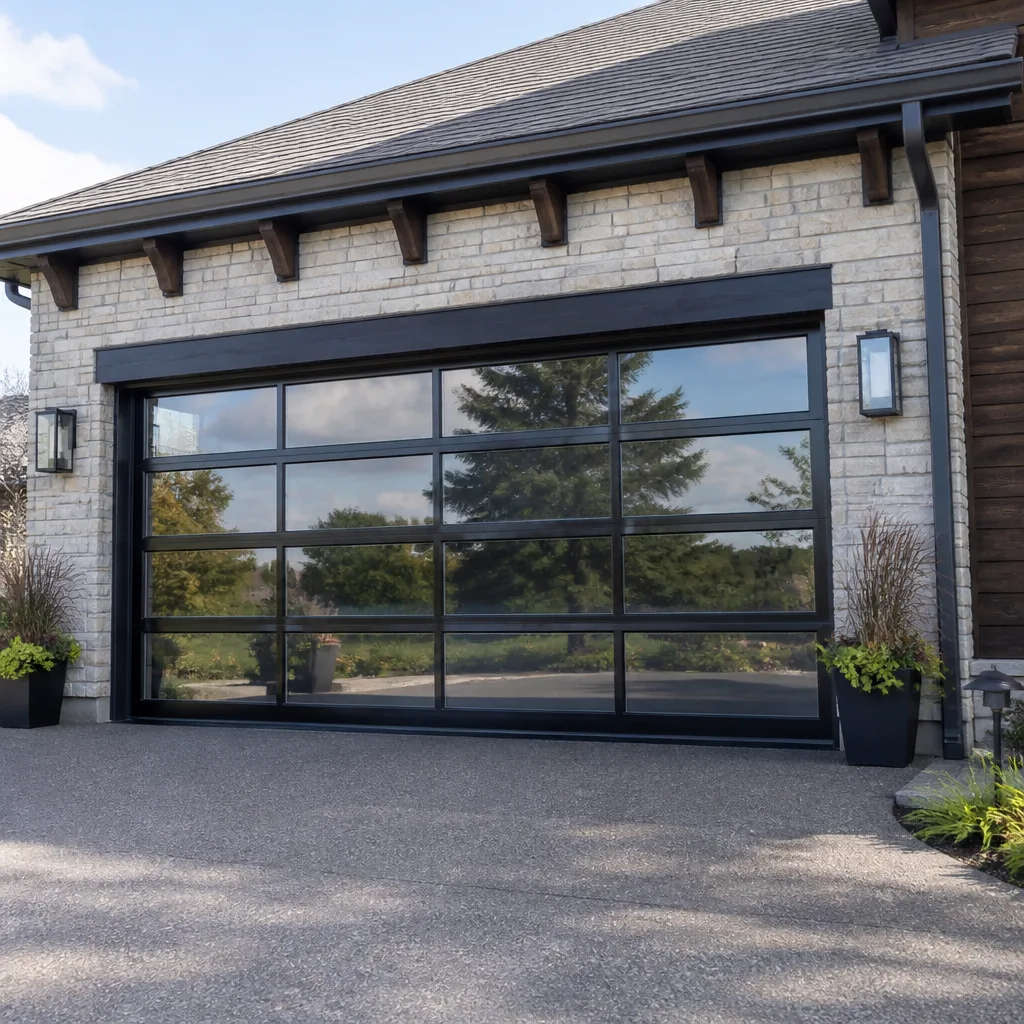 Full-view glass
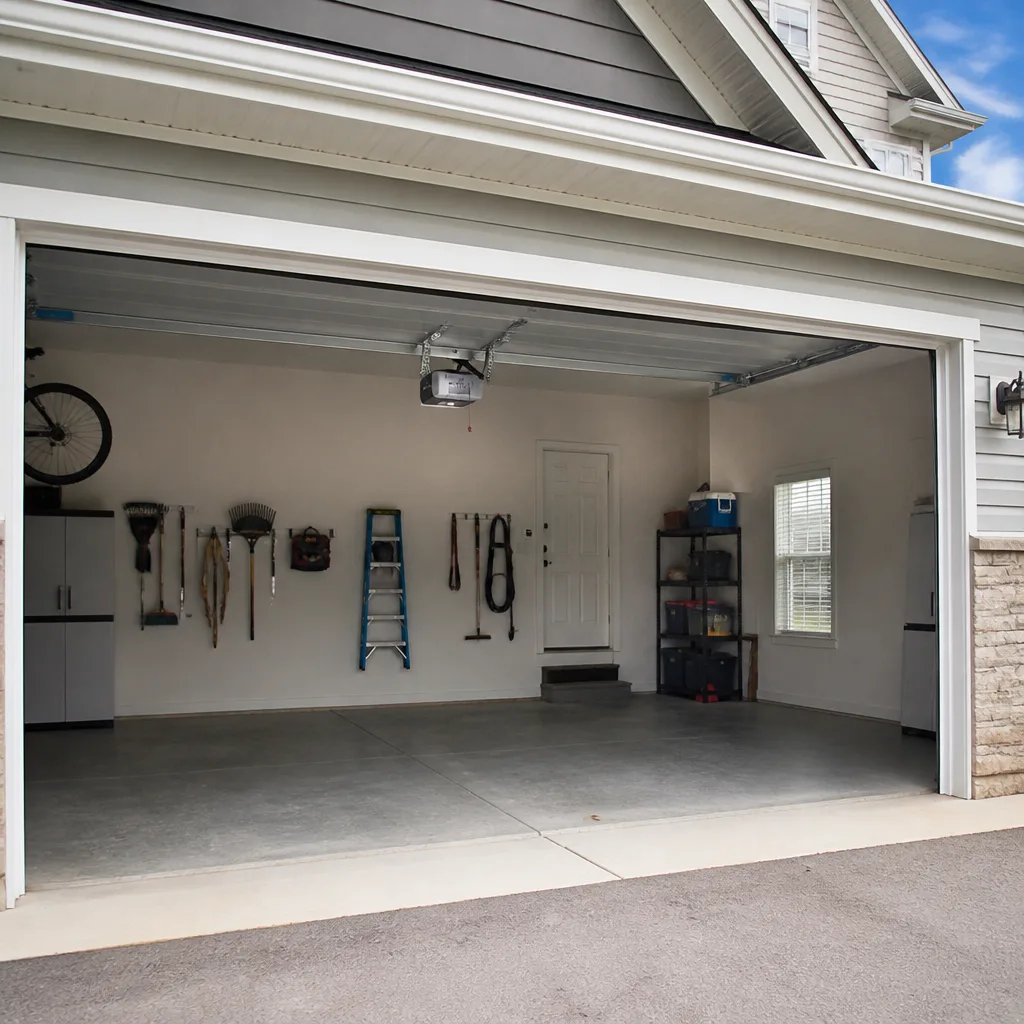 LiftMaster openers
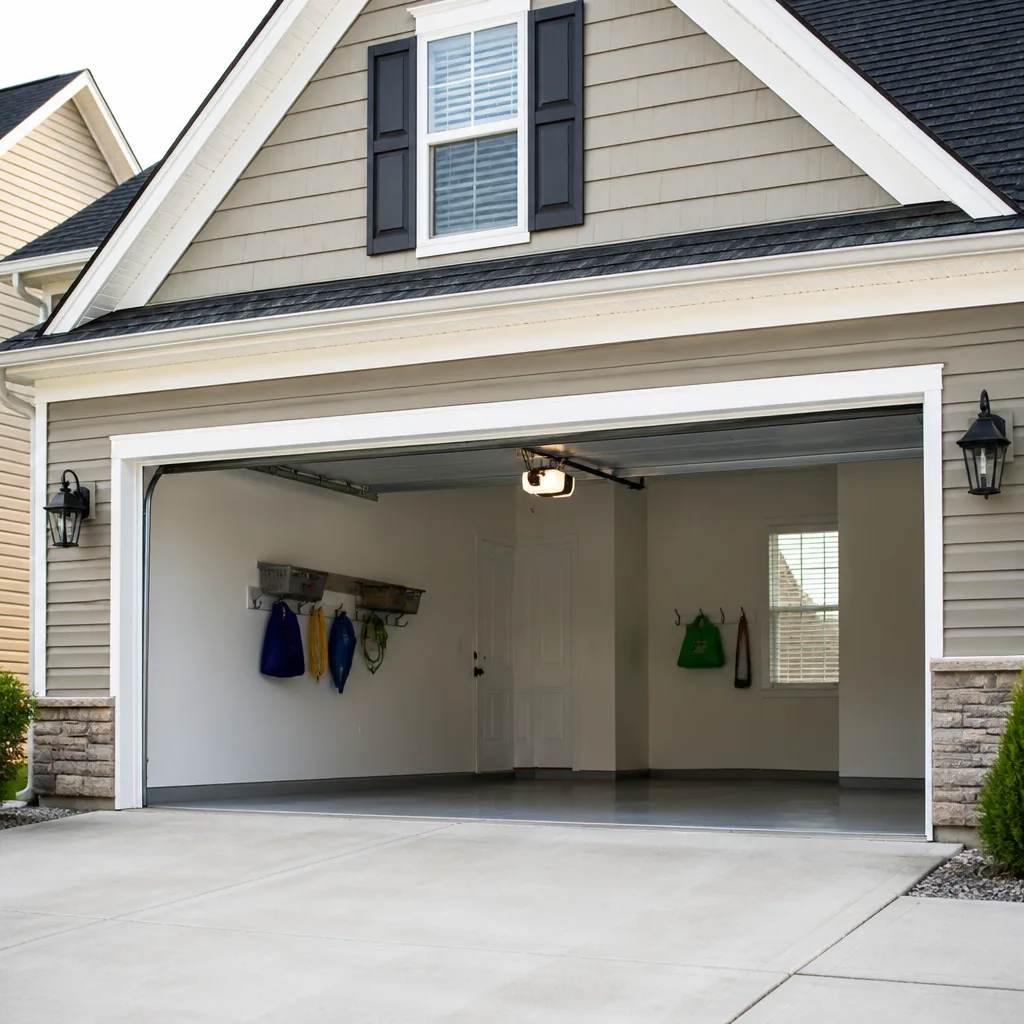 Chamberlain openers
Full 25-point door and opener safety check with every visit - springs, cables, rollers, tracks, and your LiftMaster or Chamberlain opener included
You get a price before we start. It does not change when the pro arrives.
Get your free estimateSeasonal Garage Door Care for Joliet: Year-Round Homeowner’s Guide
Winter doesn’t break most garage doors. The rapid temperature swings of a Joliet March do. By the time a cable snaps on a Tuesday morning, the damage was set weeks earlier, when January’s deep freeze thickened the lubricant on the torsion system and the door kept cycling anyway. Most homeowners treat garage door maintenance as one annual chore, usually in spring. That approach means you’re always repairing last season’s damage instead of preventing next season’s failure. In this guide, we walk through what Joliet’s climate actually does to springs, tracks, panels, seals, and openers month by month, and which tasks belong where.
Quick Answer
Seasonal garage door care in Joliet works best when it’s split across the year instead of crammed into one weekend: a winter lubrication and spring-tension check, a spring post-freeze inspection before the March thaw, a summer humidity watch on wood panels and bottom seals, a fall opener sensitivity adjustment before the door gets heavier in cold weather, and a road-salt cleanup routine through every winter month. Each task targets a component that fails on a predictable schedule in northern Illinois weather.
Styles & brands we work with
- Raised-panel steel
- Carriage house
- Modern flush
- Full-view glass
- LiftMaster openers
- Chamberlain openers
Table of Contents
- Why Joliet’s Climate Treats Your Garage Door in Stages
- Winter: What Sub-Zero Cold Does to Spring Tension
- Post-Winter Inspection: The Five Components That Shift During Freeze-Thaw
- March Thaw: When January’s Damage Shows Up
- Summer: Humidity, Wood Panels, and Bottom Seal Failure
- Fall Prep: Adjusting Opener Sensitivity Before Cold Weather
- Road Salt and Track Corrosion: Stopping It From the Bottom Up
- The Joliet Garage Door Calendar: A Month-by-Month Checklist
Why Joliet’s Climate Treats Your Garage Door in Stages
A garage door is a mechanical system with a handful of parts that respond differently to heat, cold, and moisture. Steel expands in summer and contracts in winter. Wood swells with humidity and shrinks when it dries. Lubricant thickens in the cold. Rubber seals stiffen and lose flexibility. In a climate with four real seasons and rapid swings in between, each of those reactions happens on its own timeline, which is why a single annual tune-up misses most of them.
Joliet sits in northern Illinois, where winter temperatures regularly drop well below freezing and summer humidity climbs through July and August. That combination is hard on garage doors because the system cycles twice a year through a full range of expansion and contraction, and a house’s garage is often the least climate-controlled part of the building. The door also takes more use than any other opening on the house, since most Joliet households use it as the primary entry point, not a backup. Those two factors together mean that wear accumulates faster here than in milder climates.
Here’s the principle behind this guide: instead of asking what your door needs this year, ask which component is under the most stress at this point in the calendar. That reframe is what separates preventive care from damage control.
What makes a garage door fail on a schedule
- Springs carry the door’s weight and are calibrated to a specific door mass. Cold stiffens the metal and changes the load they carry.
- Cables run under tension along the sides of the door. Freeze-thaw cycles move the anchors just enough to loosen or fray them over a season.
- Tracks are steel, and steel in a garage faces moisture, road salt, and temperature swings all winter.
- Bottom seals are rubber or vinyl and stiffen in the cold, then fail to seal properly when summer humidity softens them back up.
- Openers are calibrated to lift the door at a normal weight. When the door gets heavier in the cold, the opener has to work harder.
If any of those components is already overdue for attention, a seasonal check is the moment to catch it. When something has clearly moved past prevention and into failure, that’s the point where garage door repair becomes the practical next step.
Winter: What Sub-Zero Cold Does to Spring Tension
Springs are where cold weather does the most consequential damage. A torsion spring is a coiled steel wire that’s been wound to hold the door at a specific weight. When temperatures drop below freezing, the metal contracts slightly, the lubricant between the coils thickens, and the spring’s effective tension changes. A spring that was correctly calibrated in October can carry a slightly different load in January. It doesn’t usually fail in the first cold snap; it fails when the spring is already overstretched from age and the cold adds a fresh layer of stress.
That’s the point most homeowners miss: a winter breakdown is almost always the final failure of a spring that was already past its service range. The cold just pushed it over.
What winter does to over-stretched springs
Every cycle of a torsion spring removes a small amount of its available life. Once a spring has gone past roughly its designed cycle count, it loses the ability to hold the door reliably. In winter, that diminished spring is holding more load than the door’s weight suggests, and the failure mode is dramatic: a loud snap, the door slamming down, and a dangerous situation if anyone is under it at the time.
We can’t tell you the exact cycle count of a spring by looking at it, and neither can anyone else, but there are signs that a spring is on its last leg. If the door feels noticeably heavier when you lift it manually, if it lifts two or three inches and then stops, or if you can hear grinding or popping during the cycle, the spring may be at the end of its useful life. Any of those symptoms in winter should be treated as a reason to stop using the door until it’s inspected.
The winter lubrication routine
Lubrication in cold weather has one goal: keep the moving parts moving smoothly when the grease wants to seize up. Use a cold-rated garage door lubricant (a silicone- or lithium-based product rated for low temperatures) rather than a general-purpose grease, and apply it to the torsion spring coils, hinges, rollers, and the track’s hinge points. Don’t lubricate the track itself; that’s a common mistake that gums up the rollers. A winter lube pass takes fifteen minutes and prevents a surprising share of cold-weather noise and stalling.
We offer garage door opener repair for the season’s other common failure: openers that strain because the cold door is heavier than the opener’s lift force was set for.
Post-Winter Inspection: The Five Components That Shift During Freeze-Thaw
Freeze-thaw cycles are the quiet destructor of garage doors. Every time water works into a joint, freezes, expands, and thaws, it pushes things apart slightly. Over a winter, those slight shifts add up to real misalignment. This is the inspection that matters most in a Joliet late winter, and you can do most of it without tools.
Walk through these five components in this order:
- Cables. Look along both sides of the door at the steel cables that run from the bottom corners up through the pulleys. Run your eyes down the length of each cable. Any fraying, kinks, or a single broken strand means the cable has shifted and is ready to fail. Don’t touch a cable under tension. Just look.
- Springs. With the door closed, look at the torsion spring above the door. A visible gap of more than a fraction of an inch between the coils, or a spring that looks straight when it should have a slight bow, is a warning. Note it and call for an inspection.
- Tracks. Face the door and sight down each vertical track. The track should be straight and parallel to the door edge. Any bend, dent, or visible misalignment, particularly near the bottom where ice and salt collect, needs correction before the rollers start scraping.
- Hinges and rollers. Open the door about halfway and look at the hinges between panels. Any hinge that looks bent, or roller that’s sitting crooked in its track, indicates freeze-thaw has worked the door slightly out of square.
- Bottom seal. Look at the rubber seal along the floor line. If it’s torn, hanging loose, or no longer touching the floor evenly, the seal has been pushed out of place by winter ice, and it needs replacing before summer humidity gets under it.
If any of those checks turn up something that doesn’t look right, we can do the assessment in person. Our technicians have up to 12 years of experience, and we work on the systems most Joliet households already own: LiftMaster and Chamberlain openers, Clopay and Amarr doors, and the others you’ll find on most houses in the area.
March Thaw: When January’s Damage Shows Up
The pattern is predictable enough that we plan for it. The first genuinely warm stretch in March, usually after a week or two of above-freezing nights, produces a rush of garage door failures across Joliet. The reason: components held in place by frozen ground and stiff lubricant suddenly shift, and the misalignments that built up over winter all release at once. A cable that was under uneven tension through January snaps in the first thaw. A hinge that had frozen in one position starts grinding when it warms up.
Two things cause this. First, frozen ground around the garage door frame loosens its grip on the door’s anchors. Second, the lubricant that thickened in the cold starts to soften, and any contamination in the hinges and rollers that was stuck in suspension gets released into the moving surfaces.
What to check in the first warm week
- Listen to the door as it opens. A door that ran quietly in December and now pops or cracks has shifted.
- Look at the cables for the first time since the fall. Any new kink or fray is a sign the cable changed tension during the thaw.
- Check that the door opens and closes fully and evenly. A door that runs slightly cockeyed needs its tracks aligned.
- Inspect the bottom seal where it meets the floor. Any water stain or gap means the seal was pushed during the thaw.
Why we recommend a professional spring inspection each March
We treat spring repair as its own service because it’s one of the few garage door jobs where a mistake can cause serious injury. Torsion springs are under enough tension to break a wrist or worse if they’re mishandled, and adjusting or replacing one safely requires specific tools and training. A visual inspection is something a homeowner can do. Anything past that – unwinding, rewinding, or replacing a spring – is a job for a trained technician. If your March inspection turns up a spring issue, call before the door gets used again.
Summer: Humidity, Wood Panels, and Bottom Seal Failure
Summer doesn’t usually break garage doors; it wears them unevenly. In Joliet, July and August humidity sits high enough that wood-panel doors absorb a surprising amount of moisture from the air, and the effect is not uniform. The bottom edges of wood panels, which are closer to the concrete floor and any ground moisture, take on more than the panel tops. The panels swell slightly, the door gets fractionally taller, and the bottom seal starts to lose contact with the floor.
Houses without shade coverage on the garage face feel this most. The sun hits the door hard during the day, dries the outer face, while the inner face stays humid. That differential, over a summer, is what causes the specific swelling pattern: the door’s outside face dries tighter while its inside face stays swollen, and the bottom seal deflects just enough to leave a gap.
Signs your bottom seal is failing in summer
- Water stains or dark streaks along the concrete just inside the door line.
- Daylight visible under the door when it’s fully closed.
- Insects or small debris making it into the garage past the seal.
- A noticeable draft in winter months when the seal is underperforming.
What to do about it
The bottom seal is replaceable, and replacing it is one of the cheapest maintenance jobs in garage door care. The best time to replace is actually late spring or early summer, so the new seal can settle into place during the humidity months rather than getting installed into dry winter air and failing the first time it swells.
For steel doors, summer’s main risk is different. Steel also expands, but it can’t absorb moisture the way wood does, so the swelling shows up in the tracks and hinges instead of the panels. If the door starts making noise in July that it didn’t make in April, that’s expansion working the moving parts.
If you reach the point where summer damage has gone past what a repair can fix, or the door has aged out of its original hardware, garage door installation is the next step. We work with the systems Joliet households actually have, including LiftMaster operators, Wayne Dalton doors, Raynor doors, and the other major makes.
Fall Prep: Adjusting Opener Sensitivity Before Cold Weather
This is the single most overlooked maintenance task in Joliet. Garage door openers don’t just lift a door; they’re calibrated to lift it at a specific weight, and the opener’s sensitivity setting tells it how much force to apply, and when to stop. When cold weather arrives, the door becomes heavier to the motor. Grease thickens, springs stiffen, and cold metal has more resistance. If the opener’s sensitivity is still set for warm-weather weight, it works harder all winter, and that’s exactly how openers fail in February.
The fix is done before the first freeze, not after. Here’s the sequence:
- Test the door’s balance first. Disconnect the opener (usually by pulling the manual release cord) and lift the door by hand to about eye level. It should stay there, balanced, with no help. If it slides down or up on its own, the springs need adjustment before you touch the opener settings.
- Run the opener through a full open and close cycle. Note any hesitation, brief pauses, or uneven speed. Those tell you the opener is already close to its limit.
- Adjust the sensitivity gradually. Most openers, including LiftMaster and Chamberlain models, have two adjustment screws or digital settings for up-force and down-force. Increase the up-force only as much as needed to lift the door smoothly; don’t go beyond that, because the sensitivity setting is also a safety feature that prevents the door from crushing something in its path.
- Test the safety reversal. With the door closing, place a piece of wood on the floor under it. The opener should reverse immediately on contact. If it doesn’t, the down-force is too high and needs to be reduced.
- Repeat the test once cold weather arrives. A setting that worked in October is almost always slightly off by December.
If you’re not confident adjusting the opener yourself, or the door doesn’t stay balanced during the step-one test, have a technician do it. We service the smart openers (app-controlled LiftMaster and Chamberlain units are common in newer Joliet homes) as well as the older manual ones. We work on the brand you already have, so there’s no need to replace a functioning opener just because it needs a tune.
Road Salt and Track Corrosion: Stopping It From the Bottom Up
Road salt is the most underrated threat to garage doors in Joliet, because it works from the bottom up. Cars come home coated in salt after every snow event, and when they park in the garage, the salt dries and turns into fine dust that settles on the lowest part of everything. The tracks, the bottom hinges, the bottom panel, and the floor line all collect it. Winter-long exposure rusts the track from the bottom, and once rust starts pitting the steel, rollers skip and the track gets noisy.
The good news is that interrupting the process is straightforward.
- Rinse the tracks after snow events. A damp cloth wiped along the vertical tracks, particularly the bottom two feet, removes the salt before it dries in.
- Keep the floor swept. Salt dust on the garage floor re-suspends every time a car drives in, and it settles on the track again.
- Wipe down the bottom hinges and rollers. They’re the first metal parts salt reaches.
- Lubricate the tracks after cleaning. A very light coat of lithium or silicone spray on the hinge points, not the track face itself, keeps the metal protected.
- Consider a mat at the door-to-garage transition. A rubber mat catches road salt off tires before it spreads.
If salt corrosion is already visible, don’t sand steel tracks by hand. Any metal rail with visible rust pitting is a track that’s ready to be replaced, and the smart move is to have it assessed rather than worked on. Rust out of the way is a maintenance problem; rust left in place is a repair.
The Joliet Garage Door Calendar: A Month-by-Month Checklist
Here’s the whole seasonal system in one view. When in doubt, this is the schedule we recommend for a Joliet home.
Late autumn (October – November)
- Balance test the door with the opener disengaged.
- Adjust opener up-force for cold-weather weight.
- Test safety reversal with a piece of wood on the floor.
- Lubricate springs, hinges, rollers with cold-rated grease.
- Replace any worn bottom seal before the cold arrives.
Winter (December – February)
- Wipe road salt off the bottom of tracks after snow events.
- Listen for new noises each time the door cycles.
- Note any hesitation in the opener’s response.
Late winter (March)
- Five-component post-freeze inspection: cables, springs, tracks, hinges and rollers, bottom seal.
- Watch for new noises or uneven movement in the first warm week.
- Have anything suspicious that turns up in the inspection assessed by a technician before continued use.
Spring (April – May)
- Clean tracks and hinge points of winter salt and grit.
- Replace the bottom seal if it was pushed during the thaw.
- Re-lubricate after cleaning.
Summer (June – August)
- Check wood panels for swelling, especially the bottom edges.
- Look for daylight or water under the door when closed.
- Note any new noise from expansion in the tracks and hinges.
Early autumn (September)
- Start the fall prep: balance test, opener sensitivity check, safety reversal test.
- Replace any parts that failed inspection.
Any door in a Joliet home with a smart opener (LiftMaster, Chamberlain, or a newer Genie unit) should also get a quick app check for fault codes or notifications that pop up during the cycle. Several connected systems will tell you when the force needed to move the door has changed, which is often the first sign that a spring has lost tension.
Common Mistakes to Avoid
- Waiting for spring to do the whole year’s maintenance. If you only think about the door in April, you’ve already missed the two months when most cold-weather damage happens. Split the tasks by season.
- Lubricating the tracks. This is the most common wrong move, because grease on the track face collects dirt and salt and makes the rollers slide instead of roll. Grease the hinge points, not the track face.
- Tightening the spring yourself. A torsion spring is dangerous enough that we treat it as its own service. There’s no safe way to adjust one without the right winding bars and training.
- Adjusting the opener sensitivity too aggressively. Increasing the up-force to lift a heavier winter door works until it disables the safety reverse. Always test the reversal after any adjustment.
- Ignoring salt on the tracks. Joliet roads get salt through the winter, and a car parked in the garage tracks it in. Wipe the tracks down after snow events before the salt dries into the metal.
- Replacing the bottom seal in winter. A new seal installed in frozen weather can’t seat properly, and it’ll fail the first time the door cycles in the cold. Install seals in late spring or early summer.
- Skipping the safety reversal test. It takes thirty seconds and it’s the single most important safety check on your door. Do it every time you adjust the opener.
See the difference
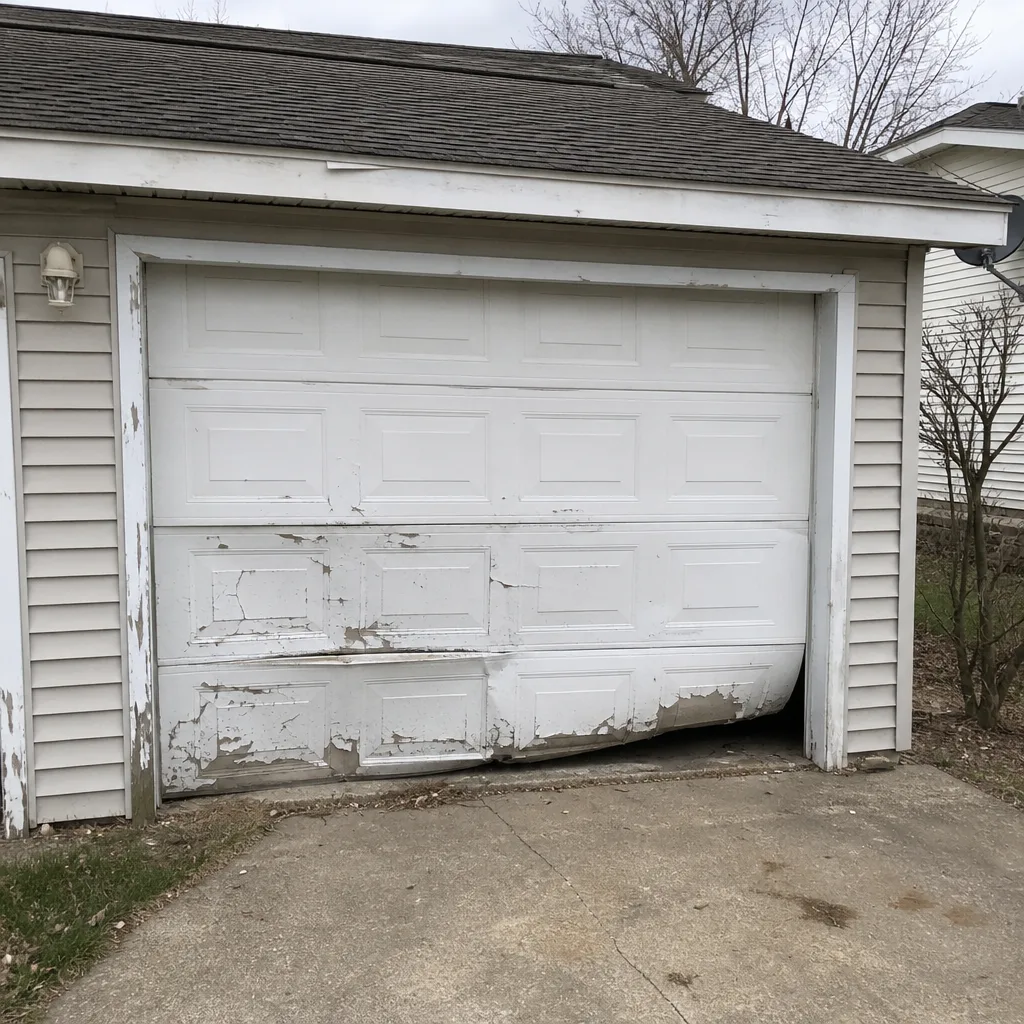 Before
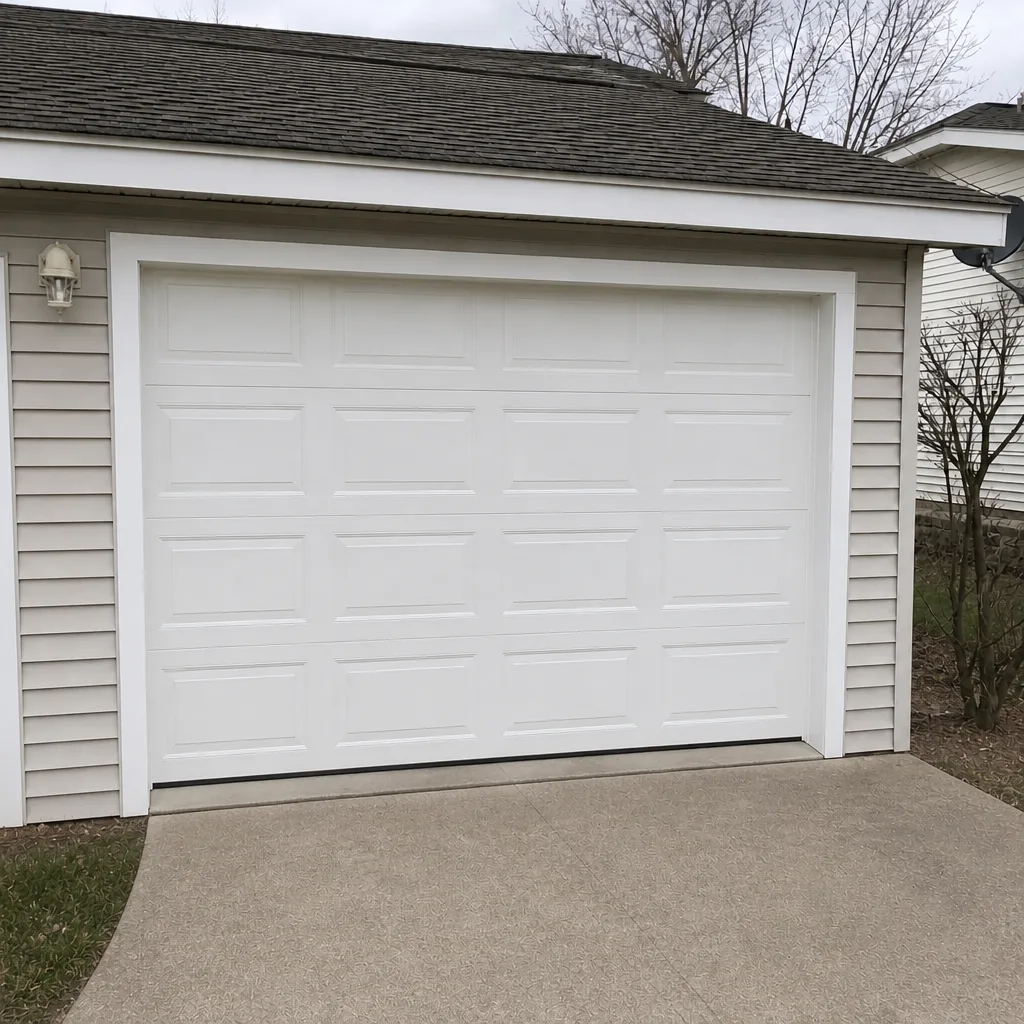 After
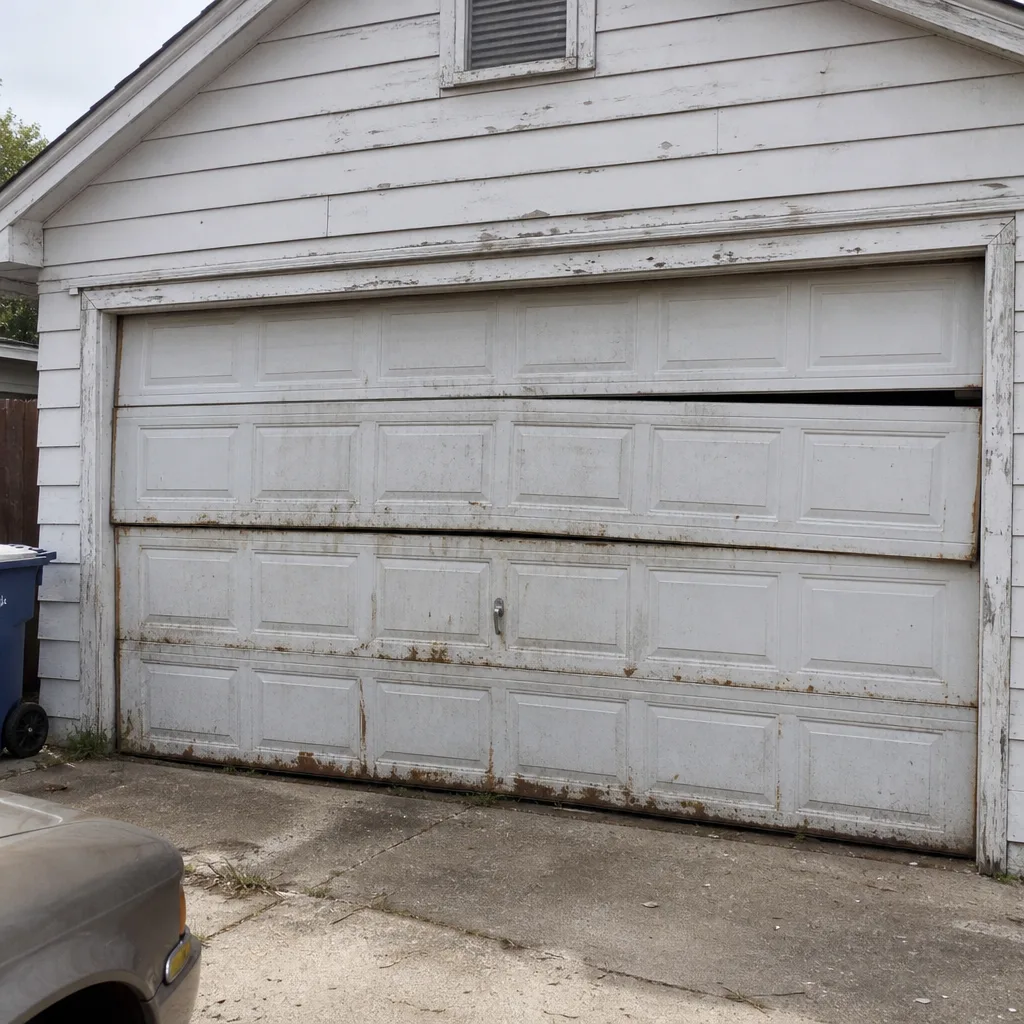 Before
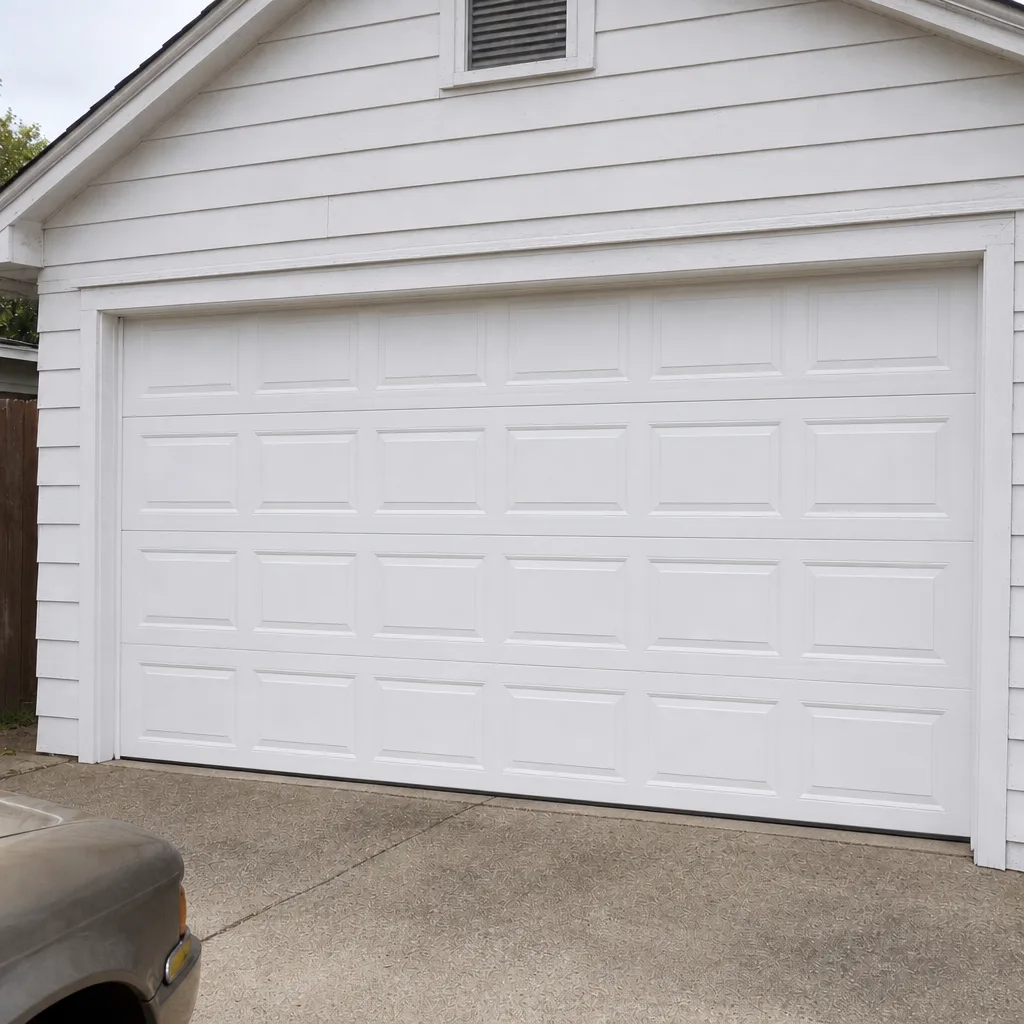 After
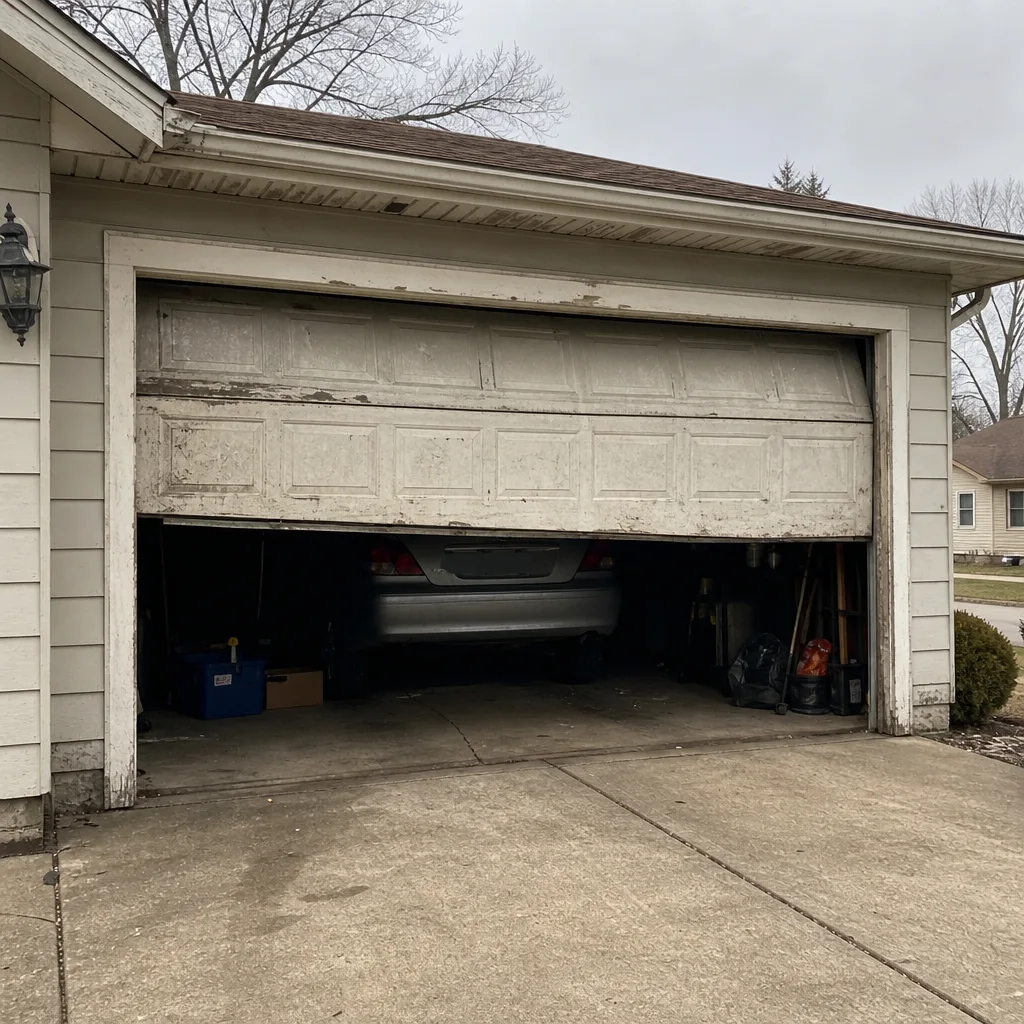 Before
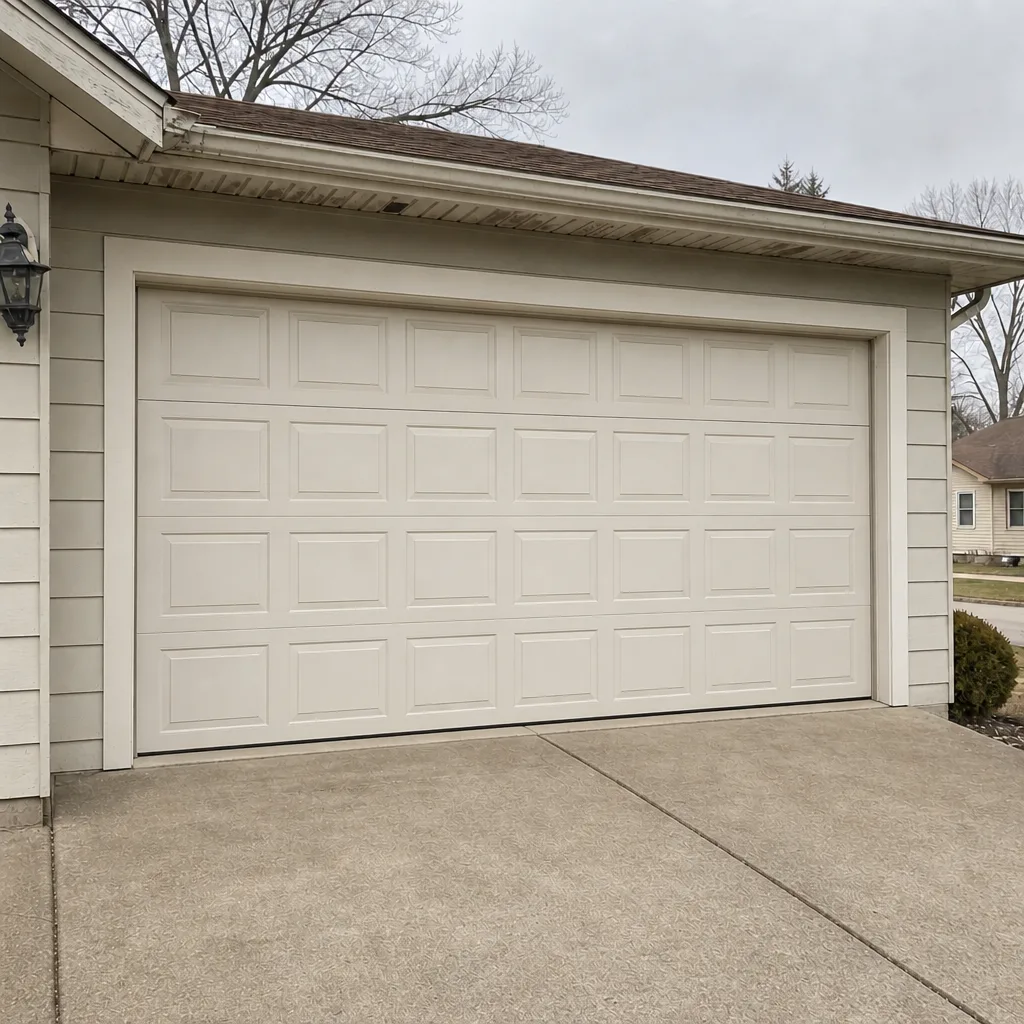 After
When to Call a Professional
Some tasks belong with a professional. Any spring issue, any cable that looks frayed or kinked, any track that’s visibly bent or rusting through, and any door that binds or won’t open fully should get an assessment from a trained technician before you keep using the door. The same goes for opener problems that persist after a sensitivity adjustment, or doors that have started to come off track. If you’re not sure whether something is serious, it’s far cheaper to have it looked at than to wait for a failure.
We handle emergency situations too, including broken springs, doors off track, and openers that won’t respond, because when your garage door is the problem, it’s the only problem. Garage Door Repair Joliet Pros offers free estimates in Joliet – call (833) 382-8894 to schedule one. If you want to see everything we cover in one place, start at Garage Door Repair Joliet Pros.
Frequently Asked Questions
Most routine maintenance visits (lubrication, balance test, opener adjustment, safety reversal test) fall into the lower service range, and the exact price depends on what the technician finds. Any parts that need replacing, like a bottom seal or a hinge, are quoted separately. The written estimate sets the final price, and you’ll have it before any work starts. Call (833) 382-8894 for an exact quote; estimates are free.
Twice a year is the right pace for northern Illinois: once in late autumn before cold weather, and once post-winter in March. A single annual tune-up misses one of the two transition windows when most damage happens. If your door is used six or more times a day, or it’s an older wood door, you may want the technician to do a third quick check in summer.
Cold thickens the lubricant on hinges, rollers, and springs, and stiff metal transmits more noise than warm metal does. A door that’s noisy in January and quiet in May is usually just cold-stiff, not broken. If the noise is new popping or a grinding sound rather than general groaning, or if the door also runs unevenly, have it inspected before continuing to use it.
Yes. We service LiftMaster and Chamberlain openers, including the app-controlled smart units common in newer Joliet homes, as well as Genie, Craftsman, and other major brands. We work on the brand you already have, so you don’t need to replace a functioning opener to get it repaired. Call (833) 382-8894 to schedule an inspection.
No. A spring that looks stretched or has a visible gap between coils is a spring that’s over its service limit, and cold weather increases the risk of a failure that can slam the door down. Stop using the door and have it inspected. Spring replacement is a trained-technician job because of the tension involved.
Yes. We service the equipment most Joliet households already own, regardless of who installed it originally. Brands we cover include LiftMaster, Chamberlain, Genie, Clopay, Amarr, Wayne Dalton, Craftsman, and Raynor, so most homes in the area are covered. Call (833) 382-8894 to book a seasonal visit or to schedule an emergency repair.
The Bottom Line
Joliet’s weather doesn’t wear out a garage door evenly; it attacks different parts in different seasons. Winter stresses spring tension and cools the lubricant. March’s thaw releases the damage January set up. Summer swells wood panels and shifts bottom seals. Fall is when the opener needs to be recalibrated before the cold makes the door heavier. Road salt corrodes tracks from the bottom through every winter month. Handle those tasks on their own timelines and the door holds up; ignore them and the repair bill arrives in March. Whatever the season, the team at Garage Door Repair Joliet Pros can help – call (833) 382-8894 for a free estimate.
Written by the team at Garage Door Repair Joliet Pros.