Last updated November 21, 2026
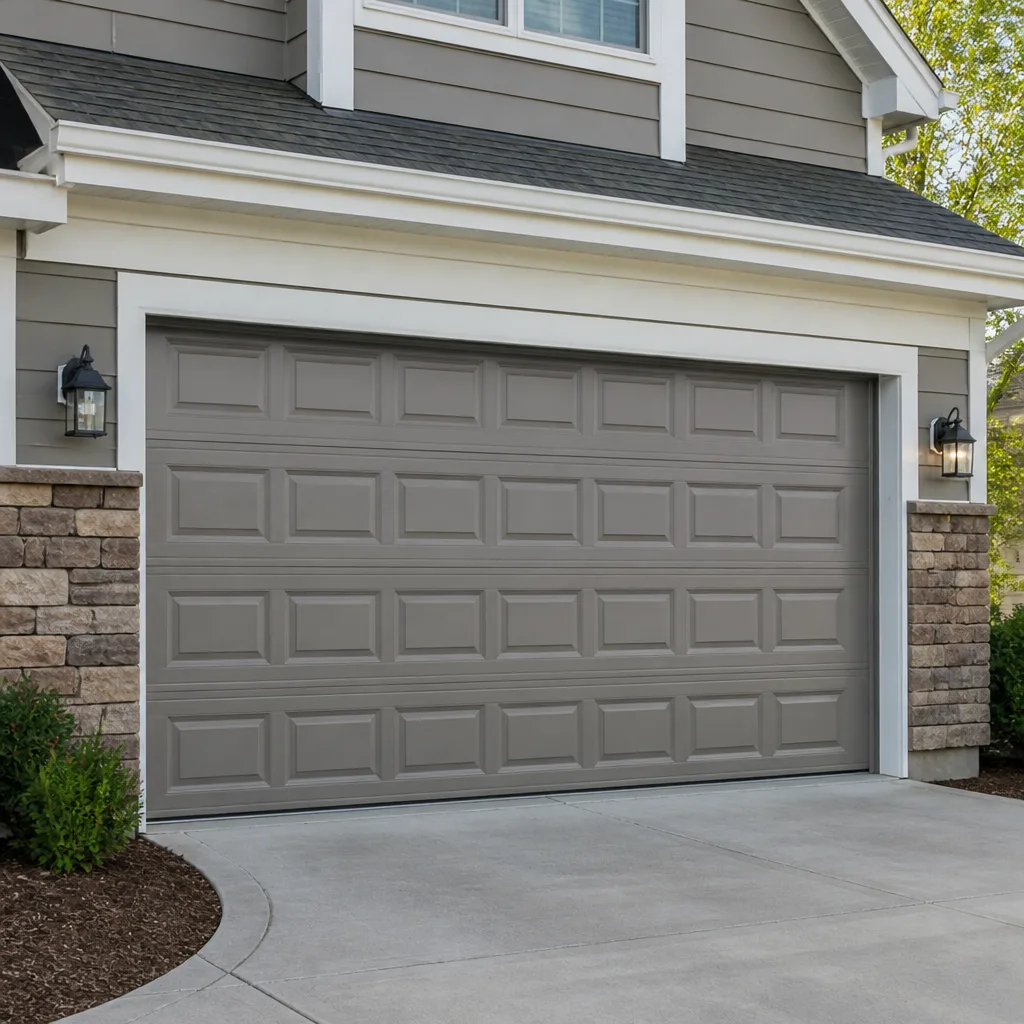 Raised-panel steel
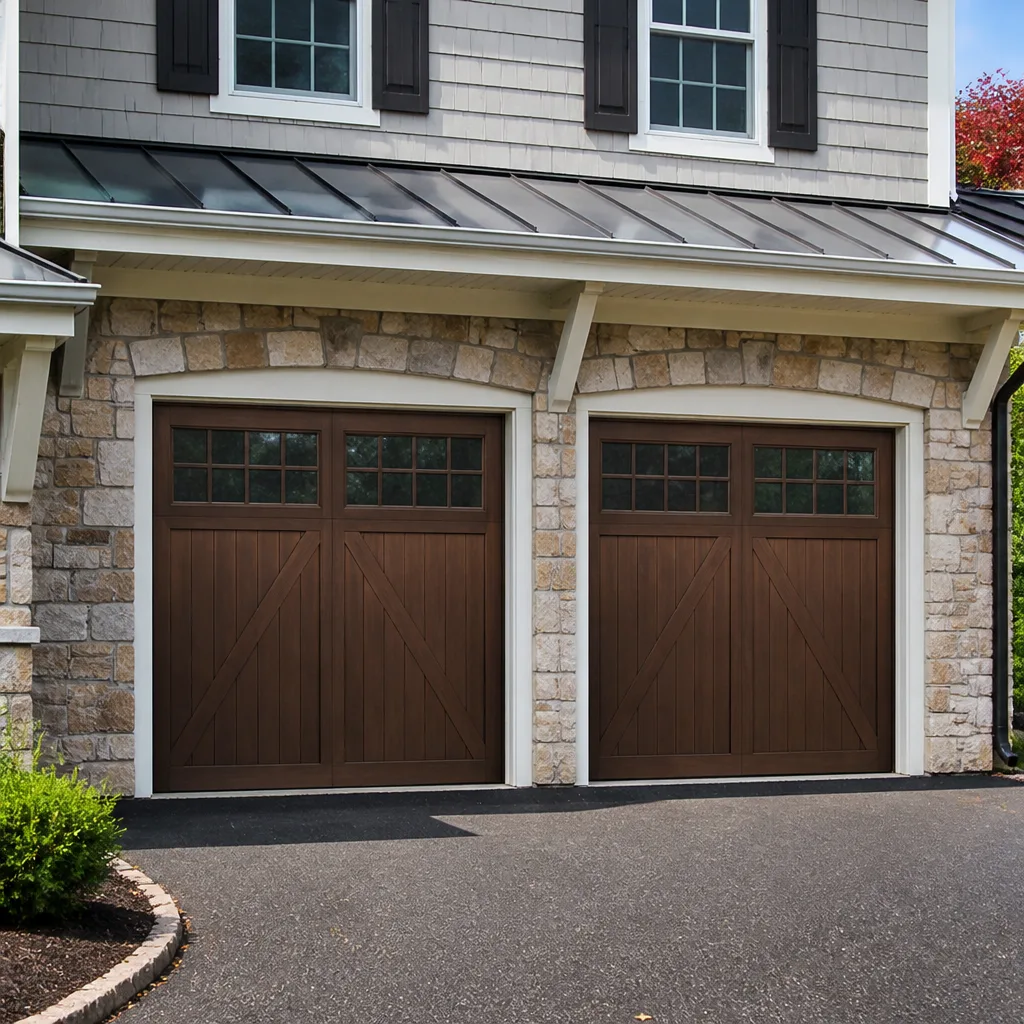 Carriage house
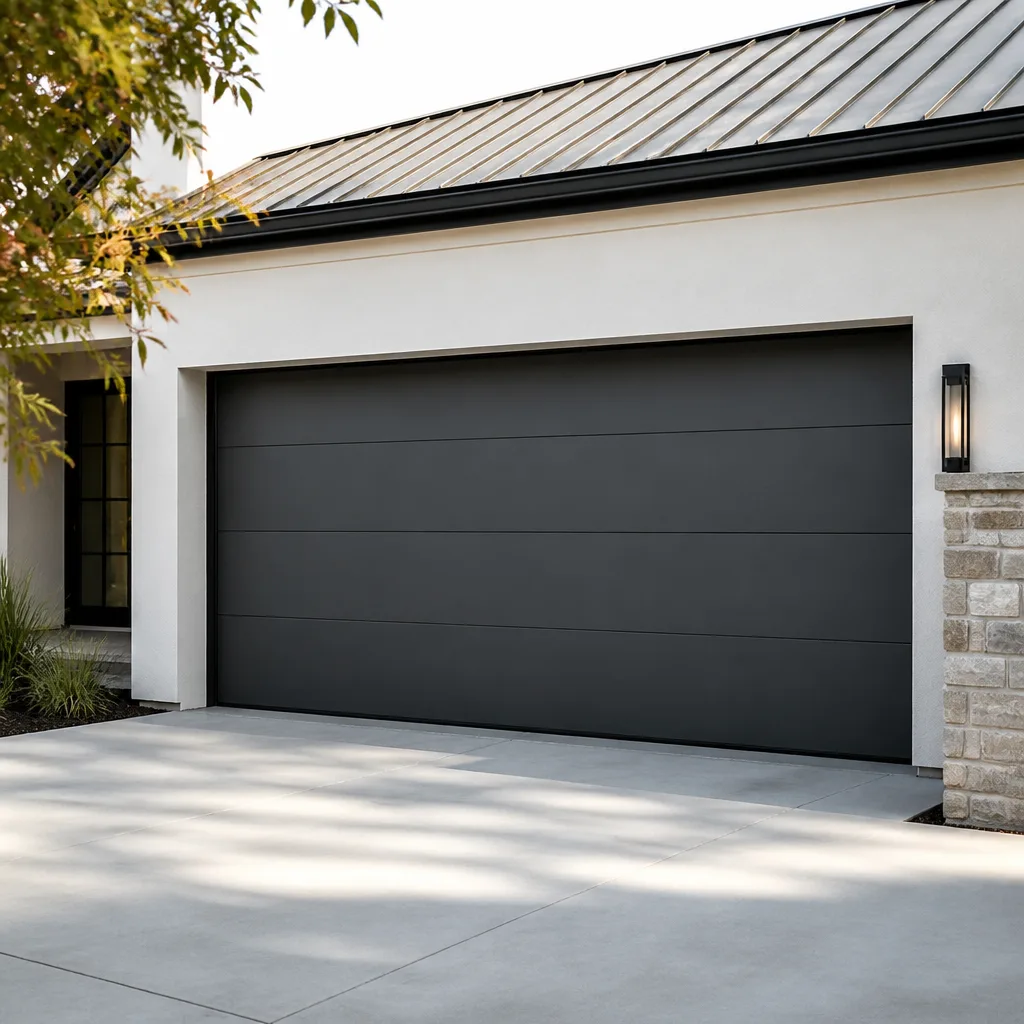 Modern flush
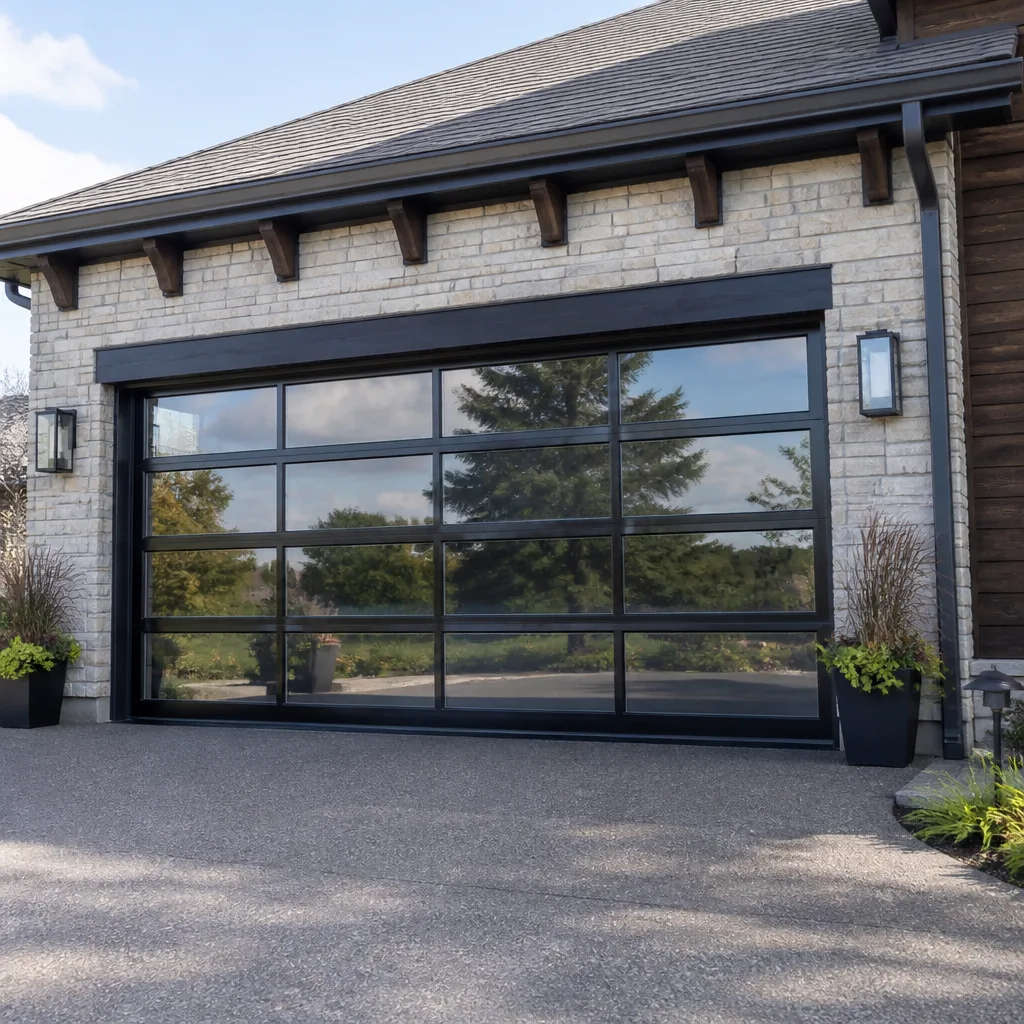 Full-view glass
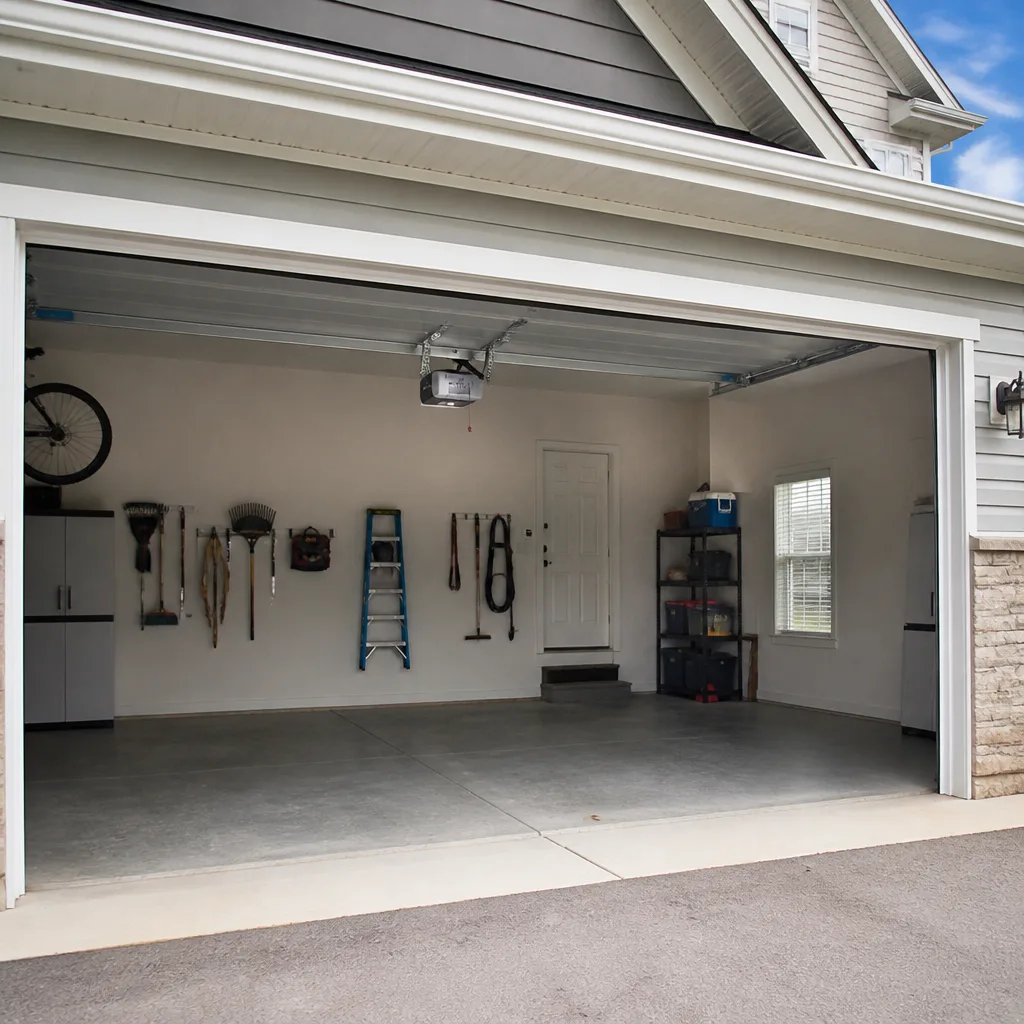 LiftMaster openers
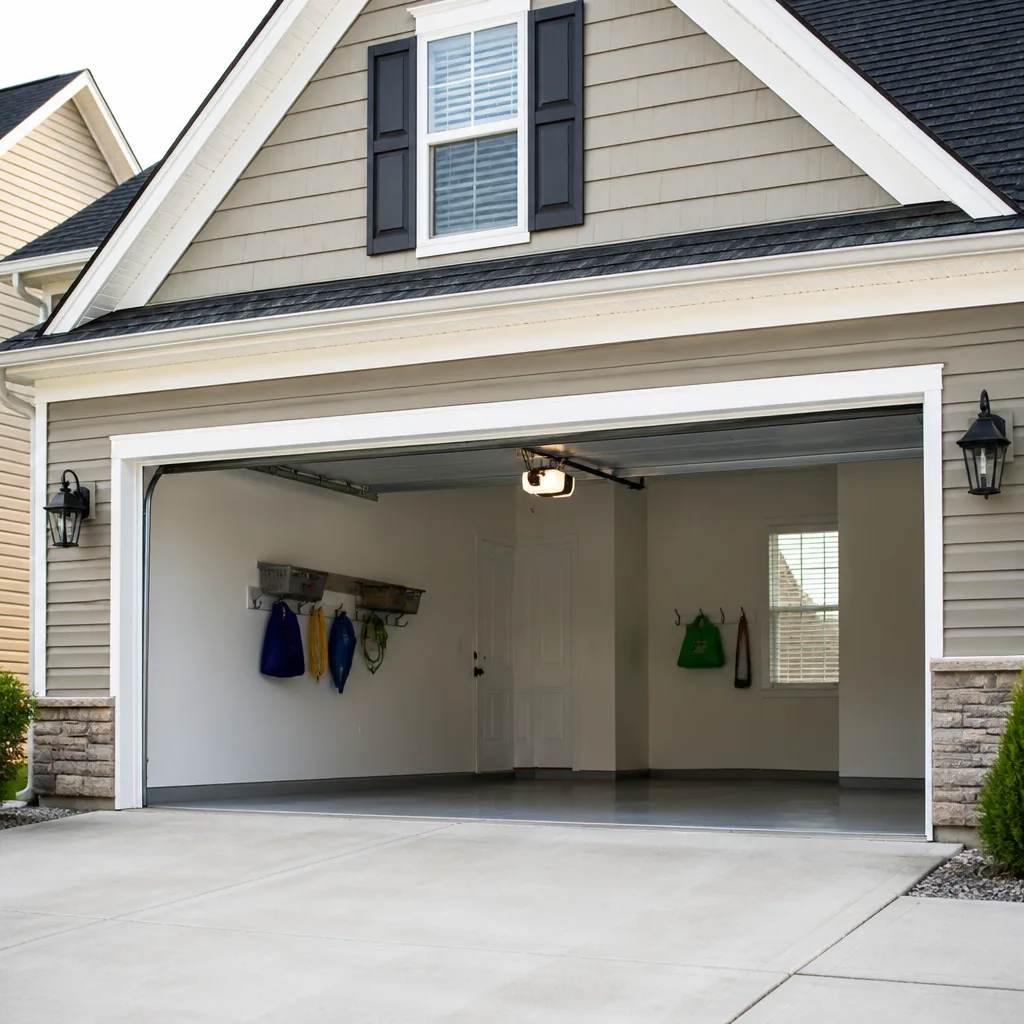 Chamberlain openers
Full 25-point door and opener safety check with every visit - springs, cables, rollers, tracks, and your LiftMaster or Chamberlain opener included
You get a price before we start. It does not change when the pro arrives.
Get your free estimateDIY vs Professional Garage Door: The Joliet Homeowner’s Decision Guide
Torsion springs hold enough stored energy to cause permanent injury the moment they release unexpectedly. Yet most homeowners can’t tell you which garage door tasks are safe to handle and which ones they should never touch. The line between those two categories isn’t where you’d guess, either. It doesn’t run along “simple versus complicated” or “cheap versus expensive.” It runs along a much narrower rule, and once you know it, the whole DIY question gets easier. This guide draws that line task by task for Joliet homeowners, explains why spring work is in a category of its own, and shows you the middle path that saves time and money before any technician arrives.
Quick Answer
Most garage door maintenance is safe for a homeowner to handle: lubricating moving parts, wiping down panels, balancing the door by hand, and testing the safety reverse. Spring replacement, cable replacement, and any work on the torsion assembly should always go to a trained professional because the stored force can injure you before you can react. Everything else falls on a sliding scale, and this guide helps you place any specific task on it. In Joliet, the practical answer is usually this: do the light upkeep yourself, and call a specialist the moment the door starts behaving unevenly.
Styles & brands we work with
- Raised-panel steel
- Carriage house
- Modern flush
- Full-view glass
- LiftMaster openers
- Chamberlain openers
Table of Contents
- Where the Real Safety Line Sits
- Three Task Classes: What’s Safe, What’s Grey, What’s Never
- Why Torsion Springs Are Different From Extension Springs
- What a YouTube Video Prepares You For (And What It Doesn’t)
- Doing the Math: When DIY Costs More Than Calling
- The Middle Path: What to Do Before the Technician Arrives
- Joliet Weather and Your Door
- Seasonal Task List for a Northern Illinois Door
Where the Real Safety Line Sits
The safety line on a garage door isn’t about difficulty. It’s about stored energy. A garage door is one of the few things in a home that holds mechanical force even when it looks idle. When you look at a closed door from the driveway, you see a flat panel. Behind it, springs are under tension waiting to do their job. That tension is what makes the door feel light when you lift it. It’s also what makes certain parts dangerous to touch without training.
So the rule comes down to this: anything that stores energy is off-limits, and anything that doesn’t can usually be handled. That’s an odd way to sort chores, but it works. It’s why cleaning a photo eye is fine and loosening a winding bar isn’t. The force difference between those two tasks is enormous, and it isn’t obvious from looking at the hardware.
We’ve seen the same pattern in homes across Joliet. A homeowner who carefully researches a task and uses the right tools can still get hurt if the task involves the spring system, because no amount of reading substitutes for the physical handling that comes with training. Conversely, a homeowner who makes a small mistake changing a roller or greasing a hinge is almost always fine. The stakes follow the stored energy, not the effort.
Once you accept that sorting rule, decisions stop feeling like guesswork. You’re no longer asking “am I skilled enough?” You’re asking “does this involve stored mechanical force?” If yes, call. If no, proceed.
Three Task Classes: What’s Safe, What’s Grey, What’s Never
Every garage door job in Joliet falls into one of three buckets. Bucket one needs no tools and no risk. Bucket two needs a wrench but poses no real injury risk. Bucket three is where professionals belong, regardless of how handy you are. Sorting your task into the right bucket is the entire decision.
- No tools, no risk. Visual inspection of panels, hinges, and rollers. Cleaning the plastic safety sensors. Clearing debris from the tracks. Lubricating hinges, rollers, and the opener’s rail. Testing the balance of the door by lifting it halfway and letting it rest. Testing the safety reverse function by placing a small object in the door’s path. Wiping down panels with a damp cloth. These are all homeowner-level tasks and worth learning.
- Basic tools, no stored-energy risk. Tightening the bolts that hold the hinges and brackets to the door panels. Replacing rollers, which is a straightforward swap. Adjusting the travel limits on a LiftMaster or Chamberlain opener to stop the door at the right height. Replacing a remote battery or reprogramming a remote or keypad. Adjusting the sensitivity setting on a smart opener. These need a wrench and some patience, but the risk to you is low.
- Never DIY, regardless of skill. Torsion spring replacement or adjustment. Extension spring replacement or adjustment. Cable replacement or re-tensioning. Bracket replacement for the spring system. Anything that requires you to release spring tension. Any repair where a panel is going to be removed and the door may become unbalanced. Any work on a door that has come off track. These are all jobs for someone who does them with the proper winding bars and understands the physics of the assembly they’re touching.
If you’re reading that list and thinking “the grey bucket is bigger than I expected,” you’re right. Most of a garage door’s upkeep lives in the top two buckets. The third bucket is narrow, but it’s the one that sends people to the emergency room. A good rule of thumb: when in doubt, ask. Our garage door repair team fields that question from Joliet homeowners all the time, and the answer takes a minute to give over the phone.
Why Torsion Springs Are Different From Extension Springs
Garage doors use one of two spring systems, and they carry risk in different ways. That difference is exactly why most DIY advice falls apart. Both systems store mechanical energy. The way they release it, and what they do when they fail, is not the same.
Torsion springs sit above the door, on a steel shaft, and get their energy from being wound tightly around that shaft. To release one, you turn it with two steel winding bars and slowly let the tension out. A torsion spring is under thousands of pounds of force even when new. When it breaks, it doesn’t snap and settle. It releases that force instantly, with the potential to whip the winding bars or fling components. Videos show the winding process as if it’s a careful procedure, and it is, but they can’t show you the physical judgment that keeps you from getting hurt when the metal is live in your hands. The precise handling, the two-handed grip, and the feel of tension releasing correctly are things you learn under supervision, not from a screen.
Extension springs run along the tracks above and below the door, stretching and contracting as the door moves. They’re simpler in mechanism and often less expensive to replace, but they still carry significant stored energy. When an extension spring fails, it often breaks free of the track entirely. That’s why extension springs are supposed to have a safety containment cable running through them, and any responsible technician checks for that on every visit. If you’re working on an older Joliet home and aren’t sure whether your extension springs have that cable, that’s a good reason to call rather than inspect it yourself.
The reason videos make torsion work look safer than it is: the tools and the geometry look reassuring. You see a winding bar go into a hole, a hand turn it, and nothing dramatic happen. What the video can’t show is what happens when the bar is slightly off-angle, when the spring has a flaw you can’t see, or when the operator’s footing is wrong. Those are the moments that create injuries, and no tutorial prepares you for them.
What a YouTube Video Prepares You For (And What It Doesn’t)
A garage door video is genuinely useful for some things. It’s a poor teacher for others. Knowing which is which saves a lot of frustration and a fair amount of money.
What video actually prepares you for
- Understanding how a particular system works, which is helpful when you do call a technician.
- Learning the names of parts, so you can describe a problem accurately over the phone.
- Recognizing when a component looks worn, so you catch it before it fails.
- Performing the top-bucket tasks correctly the first time.
- Performing the second-bucket tasks if you’re patient and set aside proper time.
- Learning what a healthy sound or motion looks like.
What video doesn’t prepare you for
- Live diagnosis. A door that jerks going up might be a bad roller, a binding track, a failing spring, a sagging panel, or an opener with an inconsistent limit setting. A video can walk you through a symptom match, but matching the symptom to the actual cause requires years of handling the same systems.
- Judgment calls where a slight variation changes the entire repair. A roller that looks fine visually might bind under load. A track that seems straight might be off by a quarter inch at one bracket. You only catch that with experience.
- The feel of hardware under tension. That’s tactile knowledge you build over time, and it’s how a technician knows when to stop turning and start re-checking.
- A door that’s already compromised in some way the video didn’t anticipate. Older Joliet homes sometimes have doors that have been repaired by a previous owner, and the video assumes a stock system.
In our experience, the homeowners who do best with video are the ones who use it to understand a system they already own. That’s an enormous help when you call for garage door opener repair, because you can describe the specific way a LiftMaster or Genie unit is misbehaving. Nobody expects you to diagnose it. But a homeowner who knows the model and the symptom gets faster, more accurate help.
Doing the Math: When DIY Costs More Than Calling
The real question with DIY isn’t whether you can do a task. It’s whether doing it and getting it wrong costs more than skipping it. That answer is different from task to task, but you can work it out.
Every failed DIY attempt carries three cost layers. The first is parts. If you buy the wrong spring, the wrong roller, or a replacement part for a system that’s slightly different from what the video assumed, that money is spent. The second is the second-call rate: when you need a technician to fix your attempt plus the original problem, the visit is often larger because there’s more to undo. The third is the damage layer, and that’s where the numbers get unpredictable. A bent door panel from a failed repair can cost more to replace than a fresh service call. A track that gets pushed out of alignment can turn a small fix into a two-part job. And a spring failure touched by an untrained hand can turn into a hospital bill on top of the repair.
The math works like this:
- Estimate what the correct part costs when bought in a single correct purchase.
- Add what a technician visit would cost if you did nothing.
- Now add what it costs if you buy the wrong part, need the visit anyway, and the technician has to reverse your work.
- Compare the gap. If the second number is close to the third, DIY has no real upside. You’re only saving money when the DIY attempt almost always succeeds.
That last point matters. DIY pays off in categories where success is close to certain: cleaning, lubricating, tightening, testing, replacing a remote battery. It does not pay off where the failure mode is expensive or dangerous. A wrong-parts purchase plus a service call plus a delay while the door is stuck open is far more disruptive than a single visit the first time. Our Garage Door Repair Joliet Pros team has walked through that math with plenty of Joliet homeowners who tried one repair, hit the wall, and wished they’d called first. Free estimates are how we make that comparison easy to see before you commit.
The Middle Path: What to Do Before the Technician Arrives
You don’t have to pick between “figure it out alone” and “call someone immediately.” There’s a middle path where you do the small safe work, and it makes the visit faster and often less expensive. This is the route we recommend to Joliet homeowners with a door that’s acting up but isn’t an emergency.
- Disconnect the opener. Pull the red manual release handle so the door is detached from the opener. This lets you feel how the door moves on its own. It’s safe and quick.
- Test the balance. Lift the door halfway by hand and let go. A properly balanced door stays where you put it. A door that falls or rises on its own has a balance problem, and that’s almost always a spring issue.
- Note the sound. A grinding, scraping, or popping noise is worth describing to the technician. So is a door that hums without moving (which usually points to a stripped gear inside the opener).
- Note the specific symptom. Does the door stop partway up? Reverse when it hits something? Only move a few inches? Does the opener’s light blink in a pattern? (Blink codes are a quick read for a technician, and knowing the code saves guesswork.)
- Write down the model numbers. Look at the opener head unit and the door panels. Write down the brand and model. If it’s a LiftMaster, Chamberlain, Clopay, or Genie system, that’s information the technician needs.
- Photograph the spring, the tracks, and the bracket area from the ground. Never touch the springs, but a photo from below (with the door closed and the opener released) lets the technician pre-diagnose.
- Clean the photo-eye lenses. A surprising number of “broken doors” are a smudged sensor. Wipe both lenses with a soft cloth and retest.
- Have your gate or drive clear for the technician. A small thing, but it saves a few minutes on arrival.
None of that requires tools or risk. It just gives the technician a head start. That’s the middle path: you don’t touch the structural parts, but you gather everything that makes the visit faster and more accurate. For a homeowner whose door is still working but making noise, this is the right first move. For a homeowner whose door is stuck open at midnight, skip the list and see the emergency section below.
Joliet Weather and Your Door
Northern Illinois puts real stress on garage doors. That gets underappreciated in DIY planning, because most tutorial content is written for a general audience. A door in Joliet spends the winter cycling between cold nights and thawing afternoons, and it faces a summer with real heat and humidity. The spring, seals, and hinges all feel that swing.
Two things follow from that.
First, winter is hard on seals and weatherstripping. The rubber at the bottom of the door gets stiff and can crack or tear. That’s a top-bucket repair for a homeowner who’s comfortable with a few screws and some patience. Replacing the bottom seal is one of the few door jobs we’d put in the “you can absolutely do this” column, with the caveat that the door must be disconnected from the opener and supported before you start.
Second, wide temperature swings are a leading cause of spring fatigue. A spring that’s been running fine through a mild fall can fail on the first cold morning of a Joliet winter. That’s a function of metal fatigue, not of anything you did wrong. When it happens, the door stops working in an instant. That’s when the third bucket applies, and the repair belongs with a technician.
If your door is on a north-facing wall or a heavily shaded side of the house, expect winter issues to show up there first. That’s a Joliet-specific detail homeowners sometimes miss when comparing notes with neighbors.
Seasonal Task List for a Northern Illinois Door
A small seasonal routine heads off most of the calls we get. This is a task list you can actually keep up with, and it’s built for the weather you get in Joliet.
- Early fall: Lubricate hinges, rollers, and the opener’s rail. Test the balance and the safety reverse. Inspect the bottom seal for cracks before the first cold snap. If you have an older door, look for worn rollers.
- Late fall: Clear the tracks of debris and check that the opener’s travel limits are right. Tighten any hinge or bracket bolts that have worked loose.
- Winter: Check the bottom seal after any stretch of hard freeze. Clear snow and ice away from the base of the door so it doesn’t get forced shut against a frozen obstacle. If you have a smart opener, check that the app is still connected after any power outage.
- Spring: Do a full lubrication pass. Look at the spring winding on a torsion setup or the safety cable on an extension setup. Photograph both, without touching them, so you can compare year to year.
- Summer: Test the safety reverse again, clean the photo eyes, and check the door’s panel alignment after storms. Heat and humidity aren’t as hard on doors as cold, but if you hear new noises, that’s the moment to note them.
That’s a morning’s work twice a year, plus a few small checks in between. It prevents most failures, and it keeps the door’s condition in view so a small issue doesn’t become a repair. If you ever find something that concerns you during the seasonal check, stop and call. Free estimates are how we make the “is this a problem?” question cheap to answer. For the bigger picture on maintenance versus replacement, see our garage door installation page.
Common Mistakes to Avoid
- Treating torsion springs like any other spring. Videos make it look methodical. What the video can’t show you is the judgment that keeps you safe under load, and that’s the part that matters. Never work on a torsion spring yourself, full stop.
- Leaving the opener engaged while checking the door by hand. If the opener is still connected, the door won’t move the way you need, and the force you feel isn’t the door’s own balance. Pull the release handle before you test anything.
- Assuming a bent track can be straightened by hitting it. Straightening a track with a hammer usually makes it worse. A properly aligned track is set with the right bracket position, and pounding on it distorts the metal that the rollers depend on.
- Buying a part from a video match instead of a model match. A LiftMaster opener and a Chamberlain opener can look similar; a Genie can look like something else. Match the part to the model number, not the picture in the video.
- Ignoring the containment cable on extension springs. If the spring isn’t already contained, the failure mode is a metal rod flying across the garage. That’s a Joliet-relevant inspection on older doors, and it’s worth confirming before anything else.
- Trying to fix a door that came off track. A door off track is still under spring tension, so the risk doesn’t go away just because the door is stuck. Stop using the opener and call.
- Assuming the safety reverse test is only for new doors. It’s a monthly test regardless of the door’s age, and a door failing it is a real hazard to anyone who walks under it, including in a Joliet garage where kids and pets routinely pass through.
See the difference
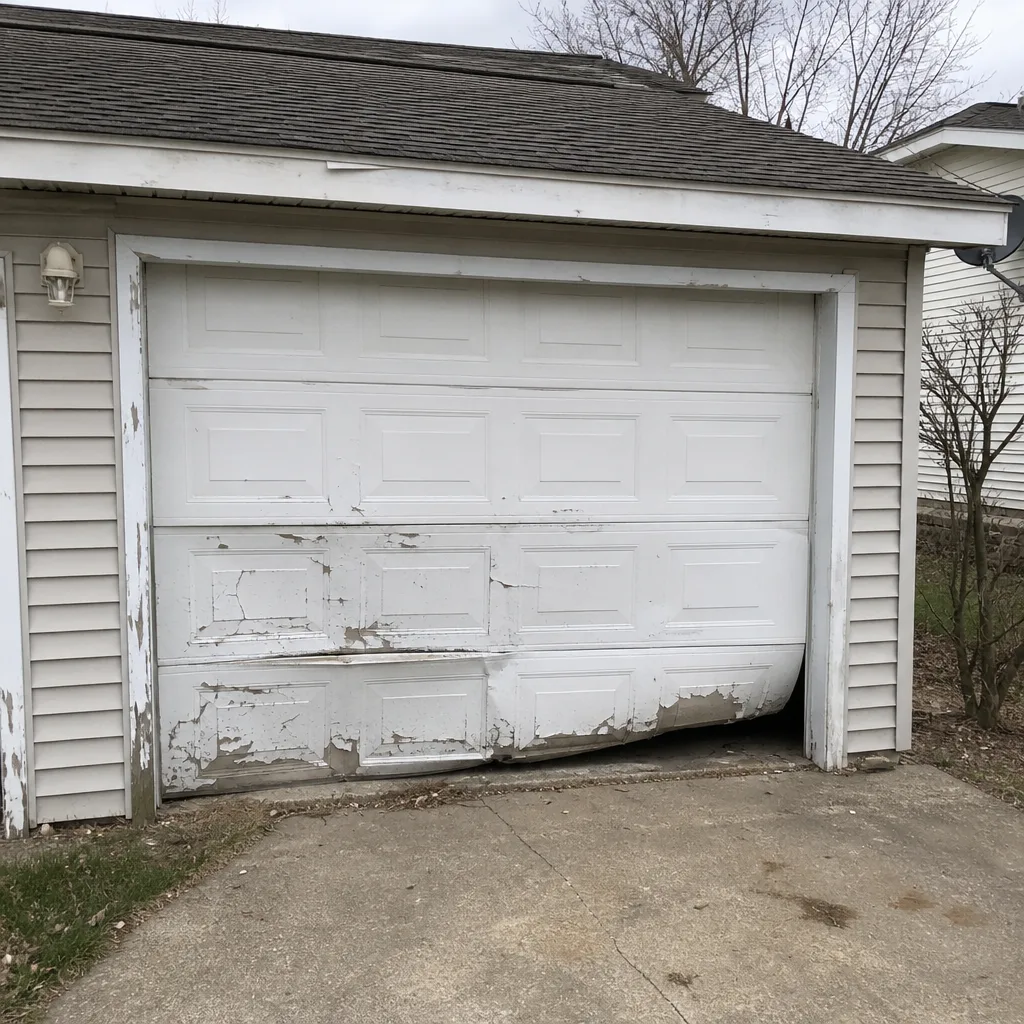 Before
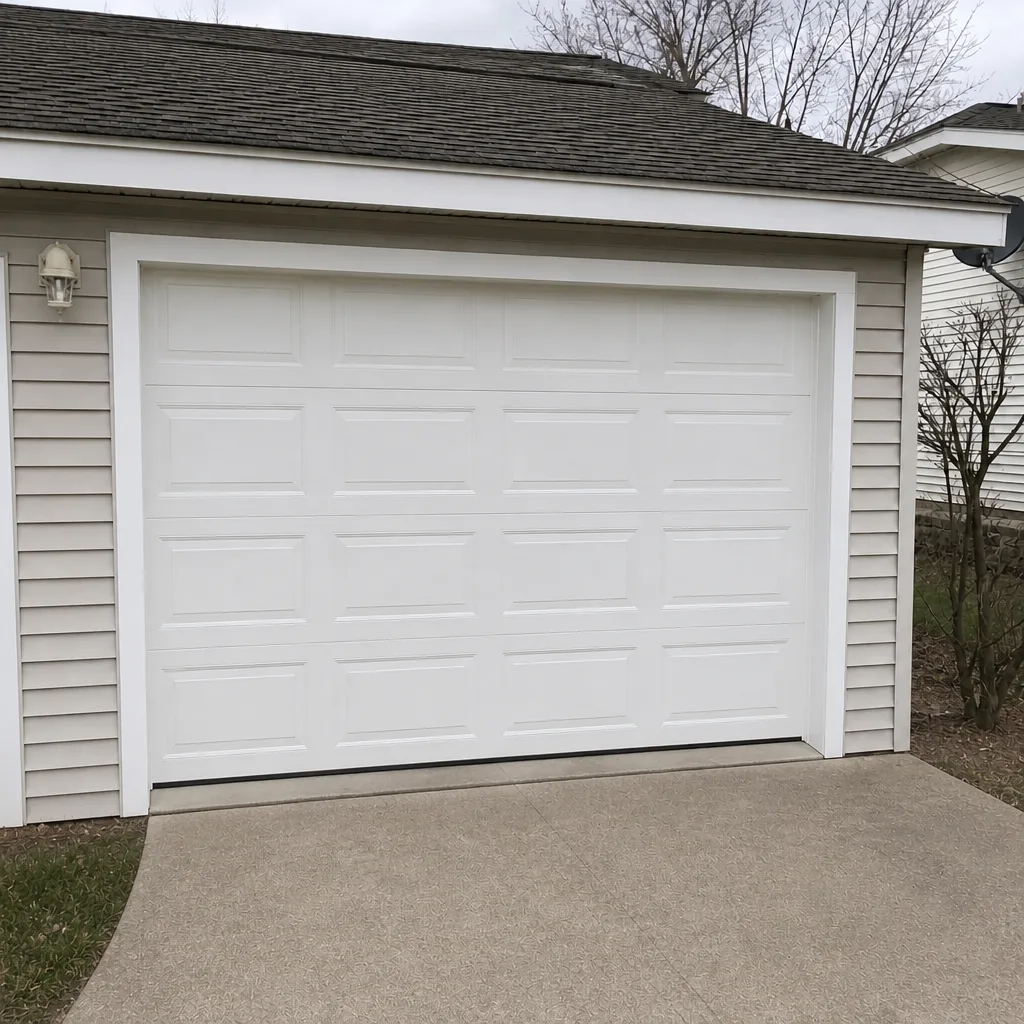 After
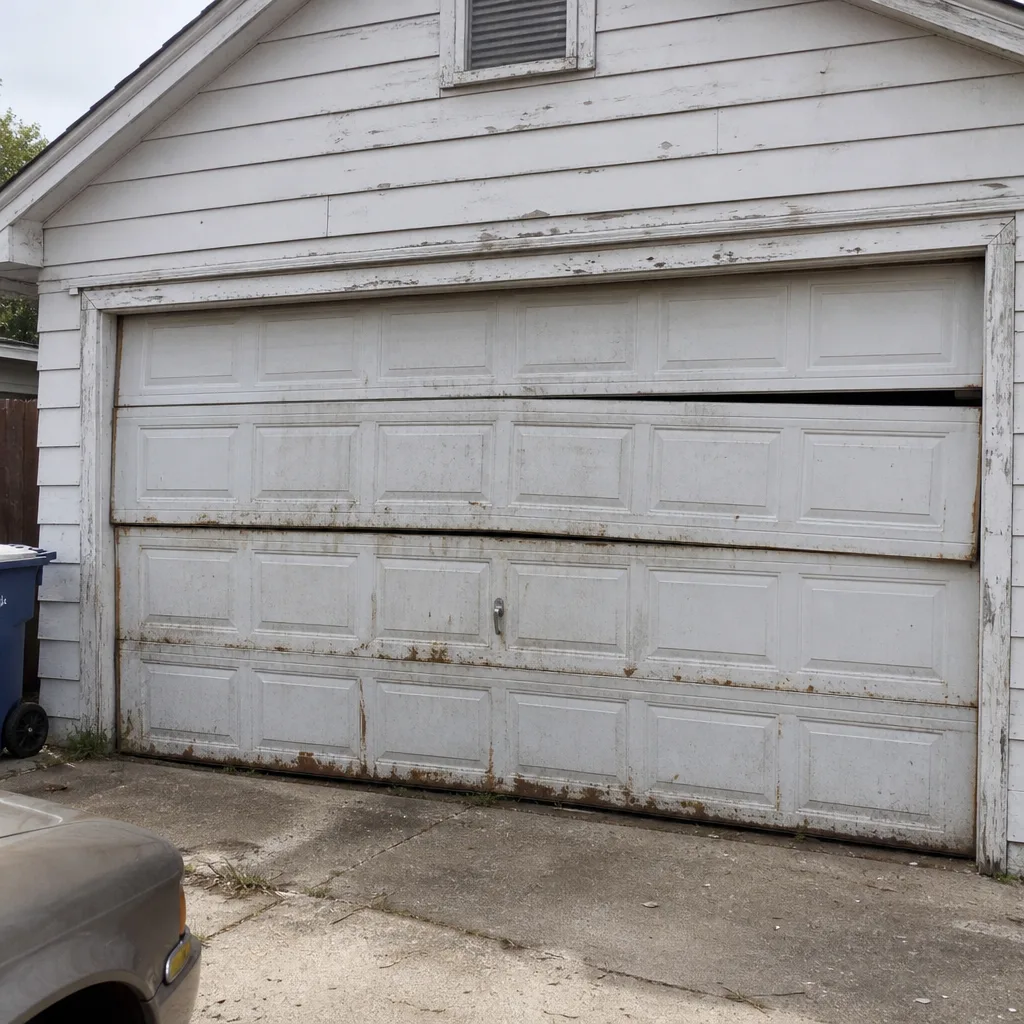 Before
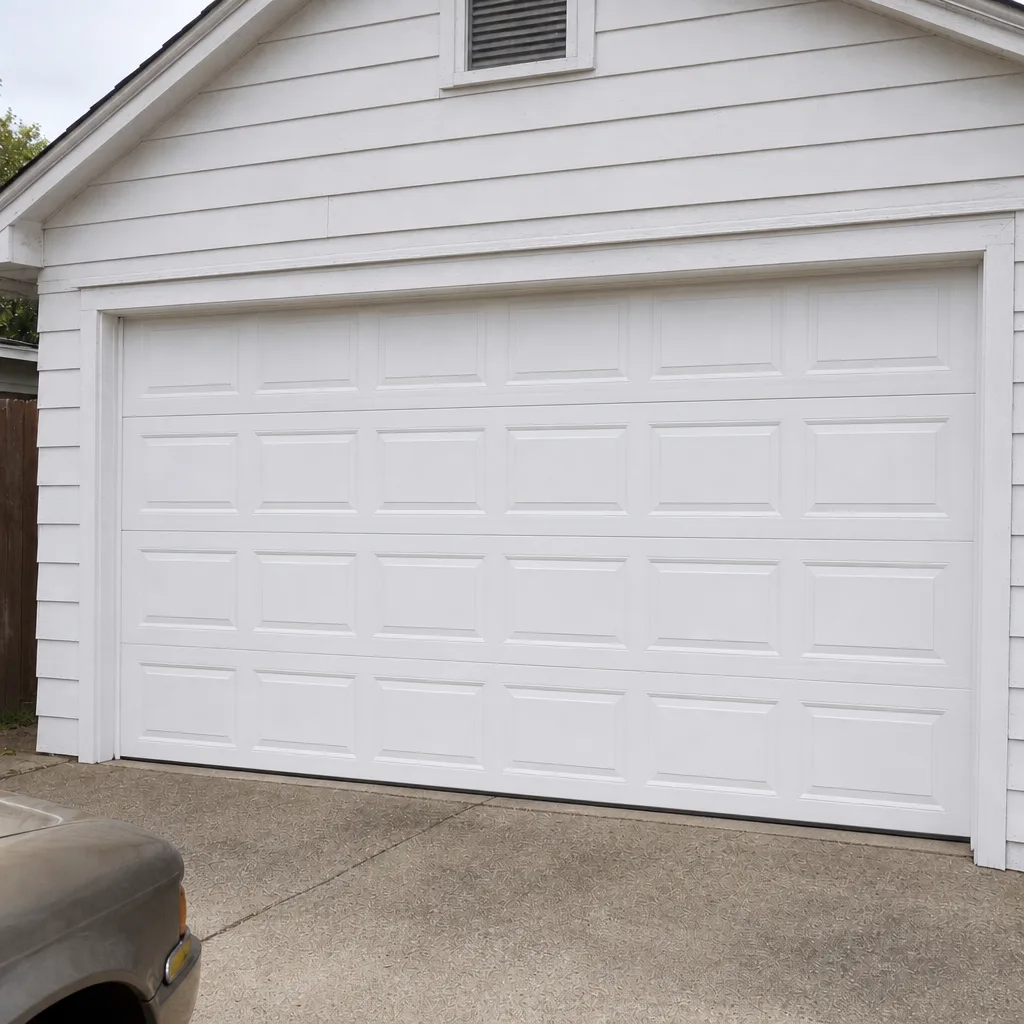 After
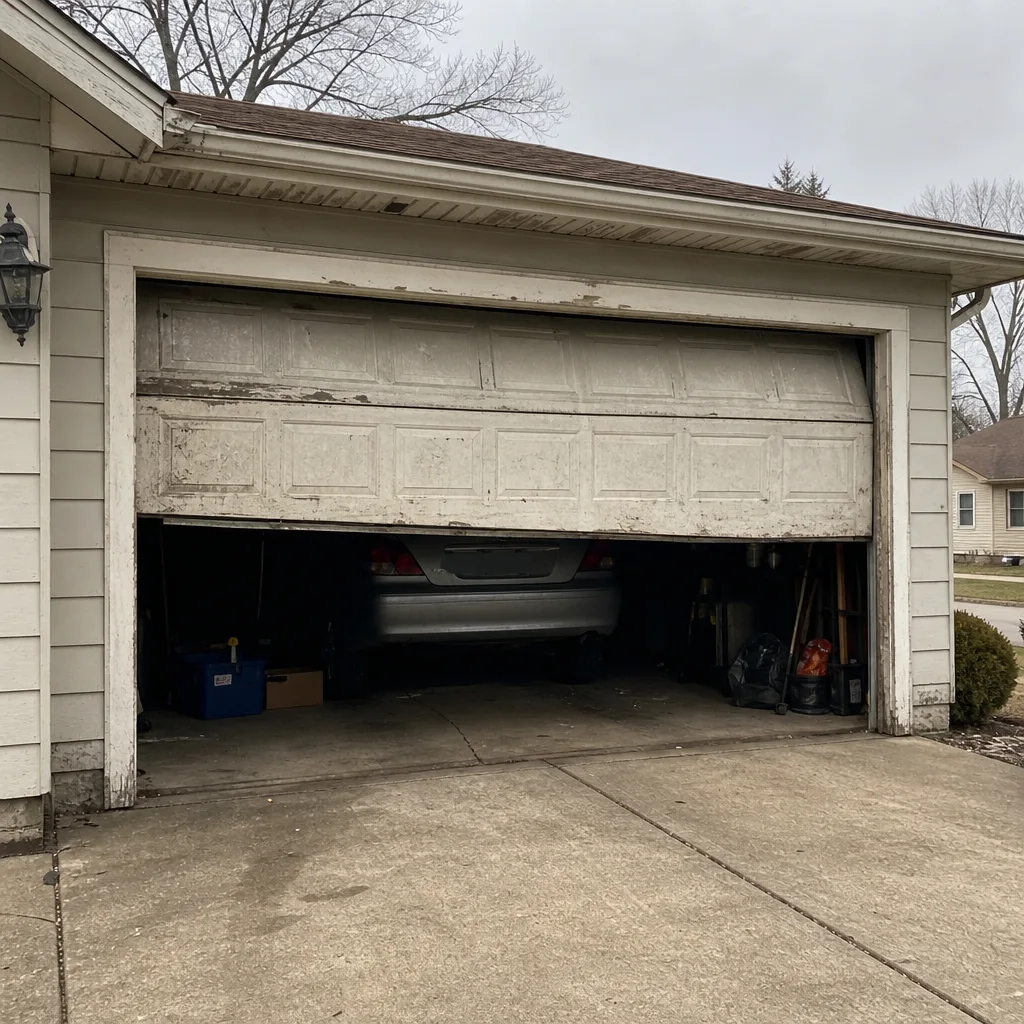 Before
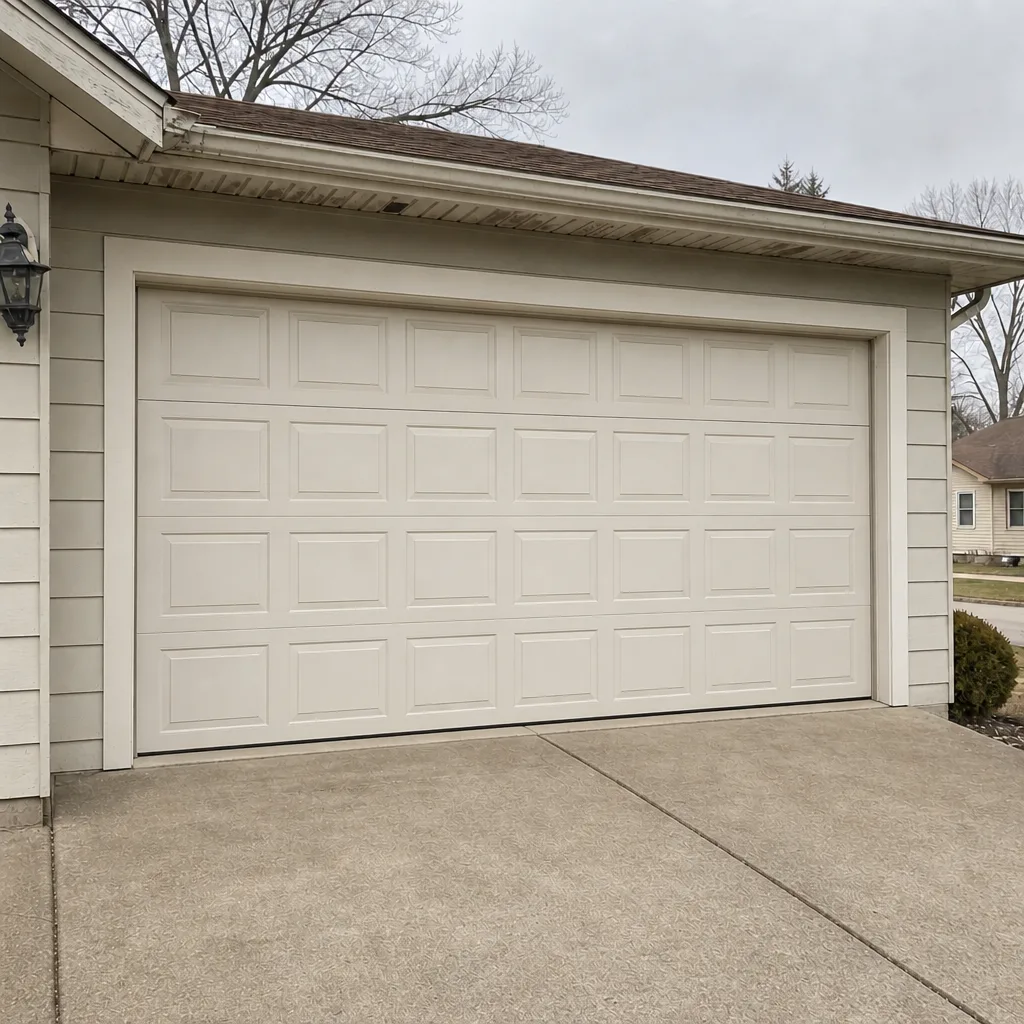 After
When to Call a Professional
Call when the task involves the spring assembly, the cables, or the winding hardware. Call when the door has come off track. Call when the door falls on its own during the balance test, when the opener has a stripped gear, or when a smart opener loses its paired remotes after a power event. Call when the door’s bottom panel has been hit and won’t close all the way, or when a broken door leaves an opening into the house. And call when you’re not sure, because a free estimate answers the question quickly and takes away the guesswork. That’s the whole point of a professional visit: not that you can’t learn, but that some jobs only make sense with the right tools and the right training.
Garage Door Repair Joliet Pros offers free estimates in Joliet. Call (833) 382-8894. Our technicians have up to 12 years of experience, we service LiftMaster, Chamberlain, Genie, and Clopay systems, plus the rest of the eight major brands we work on, and estimates are free. When your garage door is the problem, it’s the only problem. Emergency service is a real offering here, not an upsell, and spring repair is standard work for us rather than something to work around.
Frequently Asked Questions
Yes, lubricating hinges, rollers, and the opener’s rail is a safe homeowner task. Use a garage door lubricant, not a household oil, apply sparingly, and keep it off the springs themselves. The one caveat: don’t stick your hands or a rag near any moving part while the opener is running. Power it down first. If you’re unsure whether a component is a lubrication point or a load-bearing bolt, call (833) 382-8894 and we’ll walk you through it.
No. Torsion and extension springs both store enough force to cause serious injury on release, and no tutorial substitutes for the training to handle them. Spring repair is one of the highest-risk jobs on a home, and it belongs with a trained technician. If your spring has broken, do not use the door and do not touch the spring. Call (833) 382-8894 and we’ll get you a free estimate.
Every job is priced on a written estimate after a technician looks at the door, and you agree on that number before any work starts. That last part matters more than most homeowners realize. The written estimate is the price you pay, so an invoice that comes in higher than the quote isn’t the way any repair should work. Call (833) 382-8894 for a free estimate.
Pull the manual release, test the balance by lifting the door halfway, clean the photo-eye lenses, note the specific symptom and the model numbers of the opener and door. Photograph the spring and track area from the ground without touching them. That’s a two-minute list, and it makes the technician’s job faster and more accurate. If the door is stuck open or off track, skip the list and call (833) 382-8894 right away.
For most repair calls, yes, and it’s worth asking. Fast response is what makes a difference when the door is the main way in and out of the house. Whether a specific visit can be same day depends on the schedule and the part needed. Installation and replacement are different: those are measured and scheduled, and the visit starts with a free measure and a written price. Call (833) 382-8894 to check availability.
No. The written estimate sets the price, and that number is what you agree on before any work begins. If the technician finds something the estimate didn’t cover, you hear about it before they start, not after. Free estimates are the whole answer to the “will this cost more than I think” question. Call (833) 382-8894 to book one.
The Bottom Line
The DIY versus professional decision for a garage door comes down to stored energy, not skill level. Inspection, cleaning, lubrication, balance testing, and sensor care are all yours to handle. Rollers, hinge bolts, travel limits, and remote reprogramming belong to the middle tier where a wrench and patience are all you need. Torsion springs, extension springs, cables, brackets, and anything off track belong with a trained technician, no matter how comfortable you are with tools. For Joliet homeowners, that line holds through every season and every model. When a task crosses it, or when you’re not sure which side a symptom is on, calling is the cheaper, safer move. The written estimate costs nothing, and it settles the question in minutes.
Written by the team at Garage Door Repair Joliet Pros.
Contact
If a task on this list is the one you can’t safely finish, call us. Garage Door Repair Joliet Pros connects Joliet homeowners with skilled local technicians who work on the brands they already own, including LiftMaster, Chamberlain, Genie, and Clopay. Estimates are free, the technician is licensed and insured as their state requires, and the price is agreed before any work starts. Call (833) 382-8894 for a free estimate.