Last updated November 21, 2026
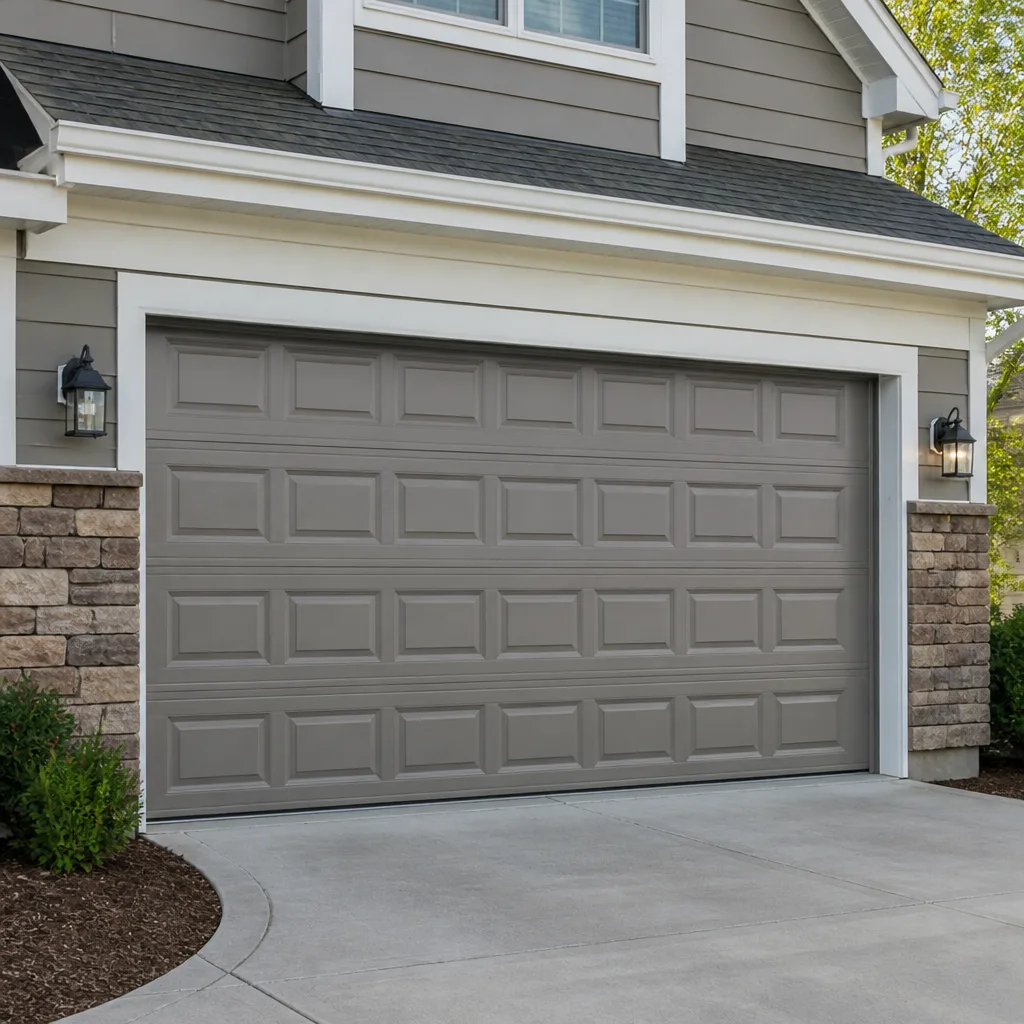 Raised-panel steel
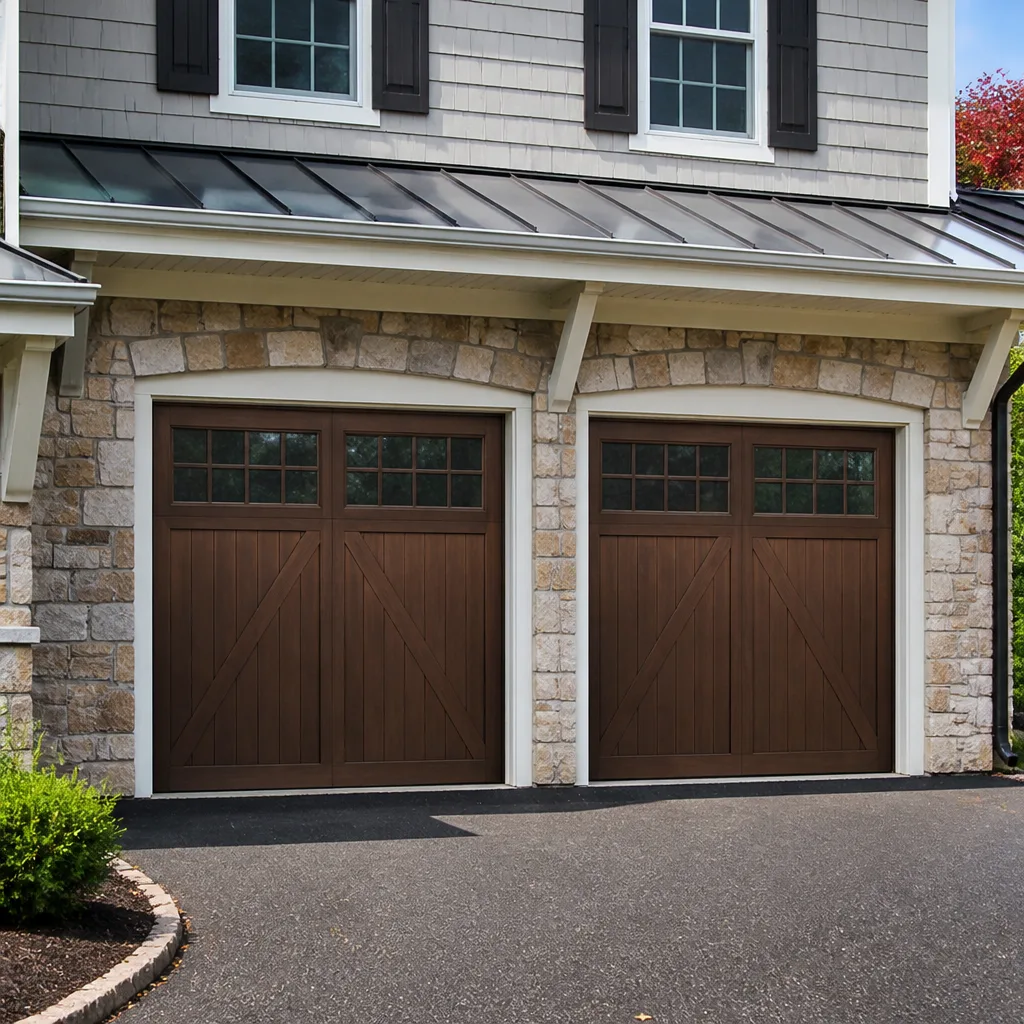 Carriage house
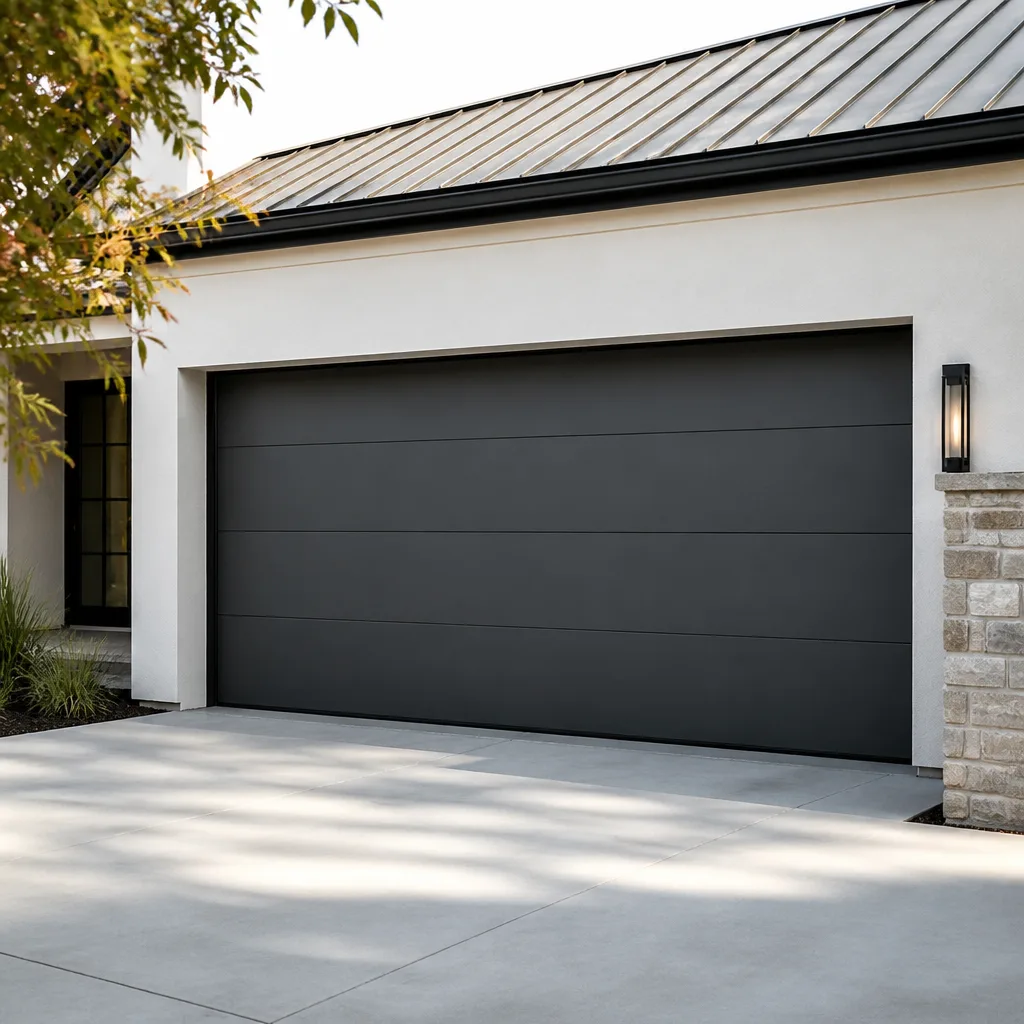 Modern flush
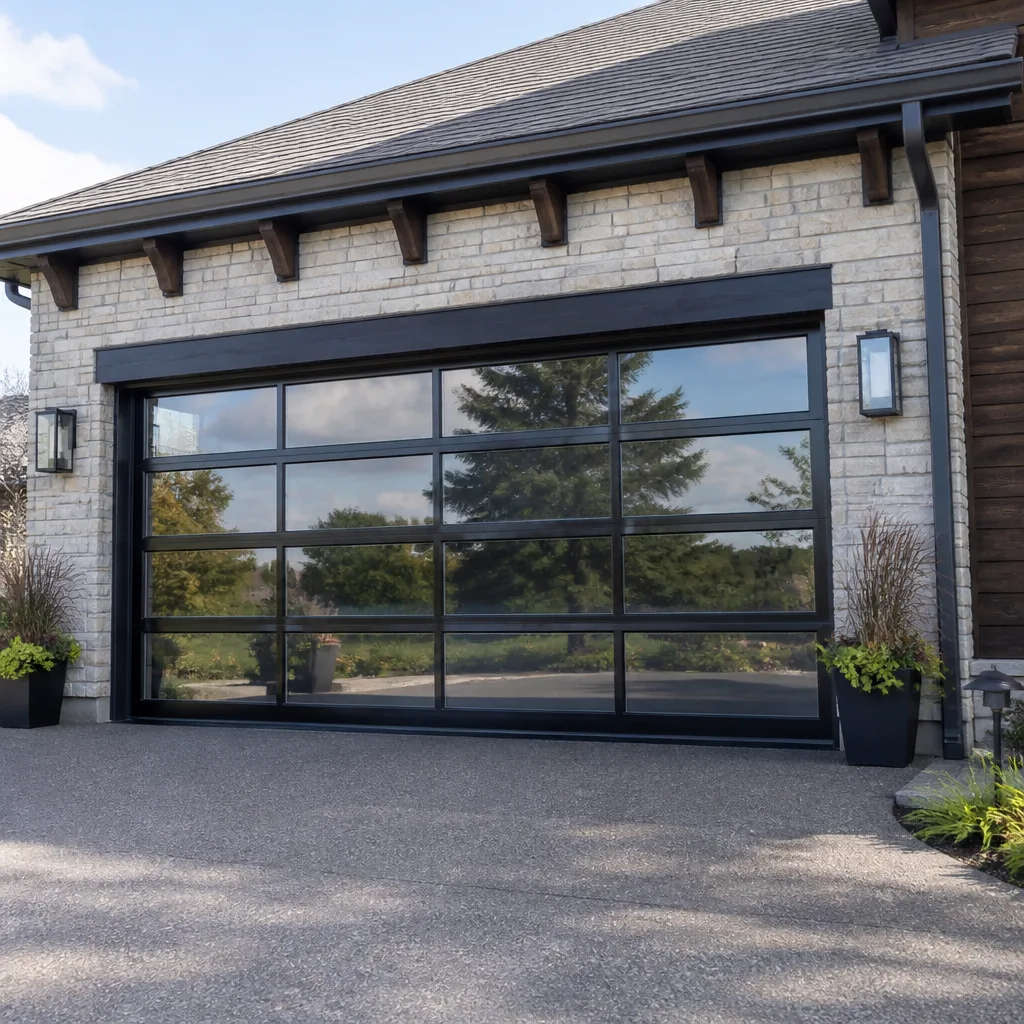 Full-view glass
 LiftMaster openers
 Chamberlain openers
Full 25-point door and opener safety check with every visit - springs, cables, rollers, tracks, and your LiftMaster or Chamberlain opener included
You get a price before we start. It does not change when the pro arrives.
Get your free estimateGarage Door Emergency Preparedness Guide for Joliet Homes
Most homeowners treat a broken garage door like a surprise, but the surprise is rarely the door. It’s the scramble afterward. A spring snaps at 7am on a Tuesday and the next two to four hours disappear into wrong diagnoses, calls that go nowhere, and waiting for someone to show up with a quote. None of that had to happen. What’s missing isn’t luck or money. It’s a plan you built before anything went wrong, while you were calm and could think clearly. This guide gives Joliet homeowners that plan: how to get the car out safely, how to secure an open door, how to tell a true emergency from a next-day repair, and what to have ready before you call. Read it once now, and a bad morning stays a bad morning instead of a lost day.
Quick Answer
A garage door emergency in Joliet usually means a snapped spring, a door off its track, or an opener that won’t respond, and the right first move is to stop operating the door and secure the opening. Get your car out using the manual release only if the door is fully closed, then call for repair with your door type, opener brand, and a description of what happened. True emergencies, like a door stuck open in winter or a door hanging off its track, need same-day service; a noisy but working door can wait for the next business day.
Styles & brands we work with
- Raised-panel steel
- Carriage house
- Modern flush
- Full-view glass
- LiftMaster openers
- Chamberlain openers
Table of Contents
- The Triage Questions: Is This a Real Emergency?
- How to Disengage Your Opener and Get Your Car Out
- How to Secure an Open Garage Door While You Wait
- What to Have Ready Before You Call for Repair
- Joliet Weather: What Actually Causes Door Emergencies
- Pre-Season Prep for Your Door and Opener
- Why Spring Failure Is the Emergency Most Homeowners Get Wrong
- When the Opener Is the Problem, Not the Door
The Triage Questions: Is This a Real Emergency?
A garage door problem becomes an emergency when it creates a safety or security risk that can’t wait. Everything else is a repair that fits on the next business day. Answering three questions honestly will tell you which one you’re dealing with, and the answers keep you from paying for urgency you don’t actually need.
Question one: Is the door open, or can it be closed? A door stuck in the closed position is inconvenient. A door stuck open, especially overnight or in bad weather, is an emergency. In Joliet, an open door in January lets cold air into the whole house and invites anyone passing by to notice. That’s a same-day call.
Question two: Is anything physically unstable? A door hanging off its track, a panel that’s cracked and flexing, or a door that dropped partway and won’t move are all safety issues. Don’t operate the door and don’t stand under it. That’s a same-day call too.
Question three: Is the problem just noise, slowness, or a remote that’s acting up? A door that opens and closes but sounds rough, an opener that hesitates, or a remote that only works up close are all real problems, but none of them are emergencies. Book them for the next business day and save the urgent call for something urgent.
One more thing to check before you decide. Confirm whether the door is actually locked out or just unplugged. A tripped GFCI outlet, a wall switch in the wrong position, or a dead remote battery can all look like a dead opener. It takes thirty seconds to rule those out and it’s the most common reason a homeowner pays emergency rates for a five-minute fix. If the opener has power and the door still won’t move, you’ve got a real problem and it’s time to pick up the phone.
How to Disengage Your Opener and Get Your Car Out
Every automatic opener has a manual release, usually a red cord or handle hanging from the carriage that rides the rail. It exists so you can open the door by hand when the power is out or the opener quits. Done correctly, it’s safe and simple. Done at the wrong moment, it can drop a door on you or send it slamming down. The order of operations matters more than the pull itself.
First, understand what the release does. It disconnects the door from the opener’s drive, which means the door is no longer held by anything but its springs and your hands. If the door is already open when you pull that cord, the door may come down fast. That’s the mistake to avoid.
Follow these steps in this order:
- Close the door first if you can. If the opener is dead but the door is up, don’t pull the release while it’s open. If the door is fully down, move to the next step.
- Stand clear of the door’s path and the spring assembly. Never reach up into the springs or cables. Those parts are under extreme tension and can cause serious injury.
- Pull the red release cord straight down and toward the opener. You’ll hear or feel a click as the carriage disengages.
- Lift the door by hand, slowly. A properly balanced door should lift with one hand and stay where you put it. If it feels heavy, drops, or won’t stay up, stop. Don’t force it.
- Move the car out, then close the door carefully by hand. Lower it all the way and let it rest closed.
- Re-engage the carriage when you’re done. With the door closed, pull the release cord again or run the opener so the carriage reconnects, following your opener’s manual.
If the door won’t stay up when you lift it, the springs are the problem. Don’t try to prop the door or force it. Spring work is the one part of this trade that genuinely belongs to a trained technician, and we treat it as a dedicated service for that reason. If you’re in a Joliet home with a Wayne Dalton or Craftsman door and the release won’t reconnect, a technician can usually diagnose the carriage in one visit.
How to Secure an Open Garage Door While You Wait
When the door is stuck open and you have to wait for a repair, your job is to keep weather out and people from walking in. The goal is a temporary, safe barrier, not a permanent fix. And it has to be something you can remove fast when the technician arrives.
Start with the obvious. Close the door manually if the release procedure lets you. Many stuck doors will close by hand even when the opener is dead, and a closed door solves most of the problem. If the door is jammed partway or off its track, don’t force it down. Forcing an off-track door can bend panels, damage the tracks further, and turn a repair into a replacement.
When the door has to stay open, work through these steps:
- Park a car in the opening if you can. A vehicle parked across the doorway is the fastest barrier and the easiest to move.
- Block the opening from the inside with something solid. Furniture, shelving, or a heavy board braced across the opening keeps the space visually closed and hard to enter.
- Cover the opening against weather. A tarp or plastic sheeting hung from the header and weighted at the bottom keeps snow, rain, and wind out. In a Joliet winter, this matters for pipes and for the rooms above the garage.
- Move anything valuable or temperature-sensitive away from the opening. Especially anything that shouldn’t freeze.
- Keep the door’s path clear. Don’t stack anything against the tracks or under the door. The technician needs room to work and a jammed track makes the repair harder.
Keep the manual release in the disengaged position while the door is open so nobody accidentally runs the opener. And don’t tie the door to the tracks or prop it with anything that could shift and drop. A temporary brace is fine; a temporary fix that fails is not.
What to Have Ready Before You Call for Repair
The right information up front cuts the diagnostic call time in half and gets a technician to your door faster. Have these details ready before you dial. Write them on a note or have them on your phone so you’re not guessing while someone waits on the line.
- Your door type and material: sectional steel, wood, aluminum, or a single-panel tilt door. Mention it if it’s a Wayne Dalton or Raynor door, since those have their own panel and hardware patterns.
- Your opener brand and model if you can find it: the model number is usually on a sticker on the back or under the light cover. If you can’t find it, the brand alone helps.
- What the door is doing right now: stuck open, stuck closed, off the track, making a loud bang then going slack, or the opener hums but nothing moves.
- Whether the springs look broken: a visible gap in a torsion spring or an extended, loose extension spring are both signs. Don’t touch them, just describe what you see.
- Your address and whether the door faces an alley or a street. Joliet’s older neighborhoods have plenty of both, and it changes how the technician approaches.
- Whether a car is trapped inside, and whether anyone needs to get out soon. This is the difference between a same-day squeeze-in and a scheduled visit.
- Whether the door is currently open to the outside. Say so directly. It moves you up the list.
If you can send a photo of the door, the opener label, and any broken part, do it. A photo of a snapped torsion spring or a bent track tells a technician more than a paragraph of description. Our response runs fast and we keep free estimates in the mix, so the call itself never costs you anything. If the job is beyond a repair, a garage door repair visit can turn into a replacement plan on the spot.
Joliet Weather: What Actually Causes Door Emergencies
Joliet’s door emergencies cluster around a few predictable weather patterns, and knowing which ones hit your door hardest lets you prepare before the season starts. The most common cause we see is not a dramatic storm. It’s the freeze-thaw cycle.
Here’s how the seasons stack up in this part of Illinois:
- Winter cold: Frozen rollers and tracks, stiff grease, and weather stripping that sticks to the floor. A door that was already tight in November can bind hard in January. Snapped springs also spike in cold snaps, because steel under tension gets brittle as temperatures drop.
- Ice and freeze-thaw: Water melts into the track, freezes overnight, and then the opener forces against it in the morning. That’s a common way a door gets pulled off its track.
- Spring wind and storms: Gusty fronts push doors that are slightly out of balance, and a door already worn at the hinges can get knocked out of the tracks.
- Summer heat and humidity: Wood doors swell, metal hardware loosens, and lubricant dries out. Doors that sat tight all winter can start sticking in July.
The takeaway is that most Joliet door emergencies are predictable and preventable. Lubricate the rollers, hinges, and springs before the first hard freeze. Clear snow and ice from the base of the door and the tracks after storms. Watch for a door that’s getting stiff in the fall, because that stiffness is a warning you can act on. And if you can hear the door binding in cold weather, don’t keep forcing it. That’s how small friction problems become emergency repairs.
Pre-Season Prep for Your Door and Opener
A half-hour of prep each fall does more than any emergency plan, because it keeps you out of the emergency in the first place. The checklist is short and everything on it is something you can do yourself without tools or training.
Before the first cold snap, walk these checks:
- Open and close the door slowly by hand with the release pulled. It should move quietly and stay where you put it. A door that feels heavy or drops on its own needs balancing.
- Lubricate the moving parts. Rollers, hinges, and the spring coils get a proper garage-door lubricant, not spray grease and not WD-40. Soak the springs lightly if your door’s manual recommends it.
- Test the safety reverse. Put a board or a roll of paper towels under the door and close it. The door should reverse on contact. If it doesn’t, that’s a safety issue and a same-day repair.
- Check the balance. Lift the door to about halfway and let go. A balanced door stays put. One that drifts down needs a spring adjustment from a tech.
- Look at the tracks. Clean out leaves and debris, and check that the tracks are straight and the brackets tight.
- Test the remote and the wall switch. Replace remote batteries before they die in the coldest part of winter. Pair a fresh battery with a check that your LiftMaster or Chamberlain opener responds from across the driveway.
- Check the weather stripping. A cracked seal around the door lets in snow and drafts and can stick in the cold.
If your opener is a smart model and you use the app, check that the app still connects and that your alerts work. Connectivity problems that show up in summer become real hassles when you need the door to open in a hurry in February. If you’re planning a replacement instead of a repair, a garage door installation estimate is free and takes the guesswork out of which panel and opener pairing fits your opening.
Why Spring Failure Is the Emergency Most Homeowners Get Wrong
Garage door springs are the single most common emergency call, and also the one homeowners most often try to handle themselves. That’s the wrong call. A torsion spring on a sectional door is under enough tension to lift the entire door, and when it snaps, the stored energy releases all at once. Extension springs are the same story, only more exposed. This is the one part of the door system that a trained technician should handle, and it’s the reason spring repair is a dedicated service rather than a get-to-it-later job.
You’ll usually know a spring broke by the sound. A loud bang from the garage, followed by a door that won’t lift or a door that slams down partway. Sometimes there’s no bang at all, and the door just stops opening. Look at the torsion bar above the door. A broken torsion spring has a visible gap in the coil. On an extension spring setup, the spring will look stretched and slack, hanging loose.
What to do is simple. Don’t operate the door, don’t try to lift it, and don’t touch the spring or the cables. The opener will fight the door with no spring to help it and can strip its gears or burn out the motor, and the door can come down unevenly. Call for repair and describe what you see. If the door is stuck open, secure it as described above and keep the area clear.
Spring replacement is also one of those jobs where a general handyman service is the wrong call. It needs the right spring for your door’s weight and height, the right winding bars, and the know-how to tension the spring safely. Our technicians have up to 12 years of experience and spring work is a standard service for us, not an exception. If your spring is already at the end of its life, a technician can tell you whether replacement of the whole door makes more sense than a spring swap. We service the brand you already have, including Wayne Dalton and Craftsman doors, so you’re not hunting for a specialist who knows your system.
When the Opener Is the Problem, Not the Door
Not every stuck door is a door problem. A meaningful share of emergency calls come down to the opener, the remote, or the connection between the two, and those are usually faster and less expensive to sort out than a door or track issue. The trick is telling which one you’re dealing with.
Here’s the split:
- The opener runs but the door doesn’t move. You can hear the motor or see the light come on, but the door stays put. Usually a disengaged carriage, a stripped gear, or a broken spring.
- The opener is silent and the lights are off. Check the outlet, the GFCI, and the circuit breaker first. If the opener is getting power and still silent, the logic board or capacitor is the likely suspect.
- The remote works only up close or not at all. Replace the battery, then check whether the wall switch works. If the wall switch works and the remote doesn’t, it’s a remote or programming issue.
- The door goes down and comes right back up. Something is triggering the safety reverse. That’s a safety issue and worth a same-day call.
- The door opens partway and stops. Usually a force setting or travel limit issue on the opener, sometimes a binding door dragging against the opener’s force limit.
If your opener is a smart model and the app shows an error, note what it says before you call. Modern LiftMaster and Chamberlain openers log specific fault codes that make the diagnosis quicker. Our garage door opener repair covers the connected systems, not just the older manual units, so app-controlled openers get the same expert handling. If the opener is beyond reasonable repair, we can quote a replacement and keep the same brand family so your remotes and app keep working.
Common Mistakes to Avoid
- Forcing a stuck door. If the opener won’t move the door, stop pressing the button. Running it against a jammed track or a broken spring strips the opener’s gears and can bend panels. Shut it off and call.
- Pulling the manual release with the door open. That’s how a door drops. Always check that the door is fully closed before you disengage the carriage.
- Prop-style fixes that put weight on the tracks. Bracing the door against the tracks or the spring bar can deform the track or shift the whole assembly. Use the door frame and the floor, not the tracks.
- Paying emergency rates for a dead remote battery or a tripped GFCI. Check the simple stuff first. Fifteen seconds on the outlet and the battery saves you the urgent call.
- Trying to wind or replace a spring yourself. This is the one mistake on this list that can hurt you. Springs and cables are under extreme tension and belong to a trained technician.
- Skipping the fall lubrication. Most winter roller and track failures start with a door that was dry and binding in October. A little lubricant before the freeze prevents a lot of emergency calls.
- Waiting on an open door. A garage open to the street overnight in a Joliet neighborhood is a security problem and a weather problem at once. Don’t wait until morning to call.
See the difference
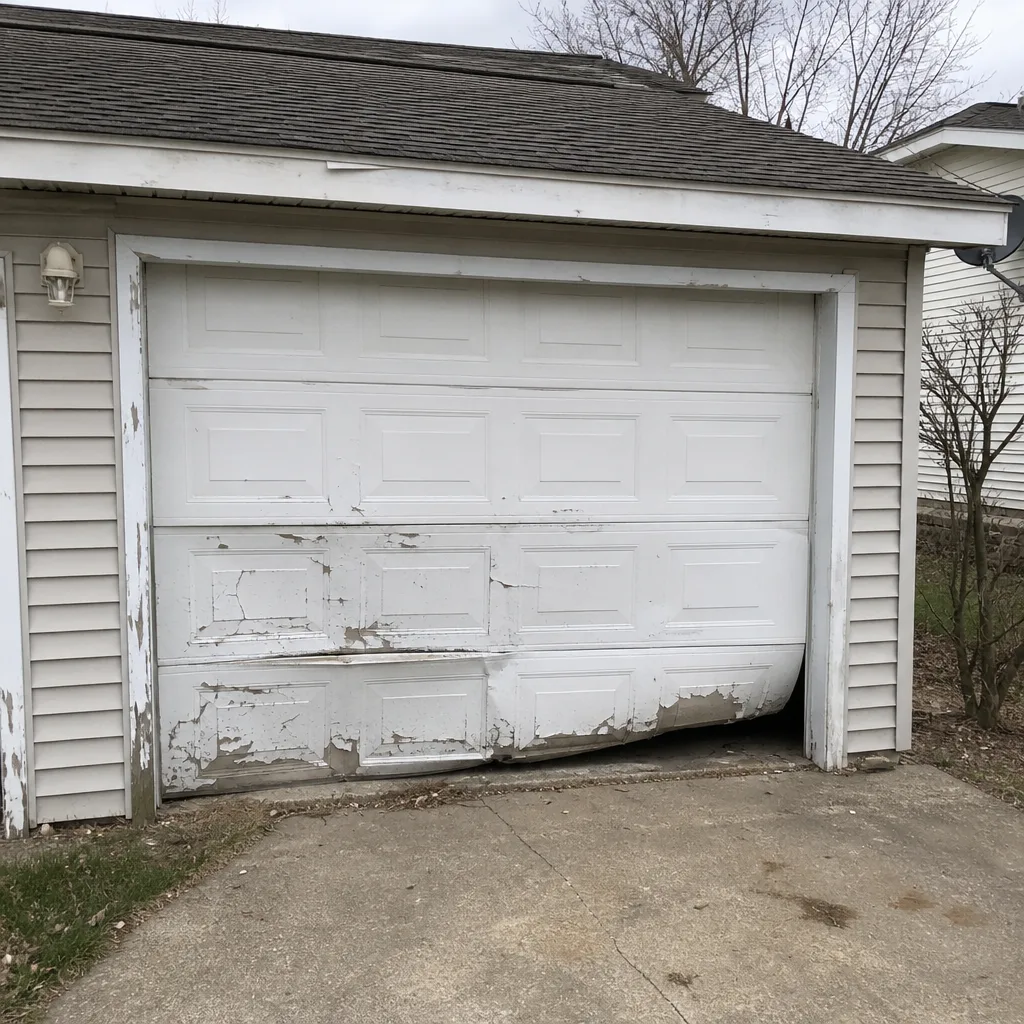 Before
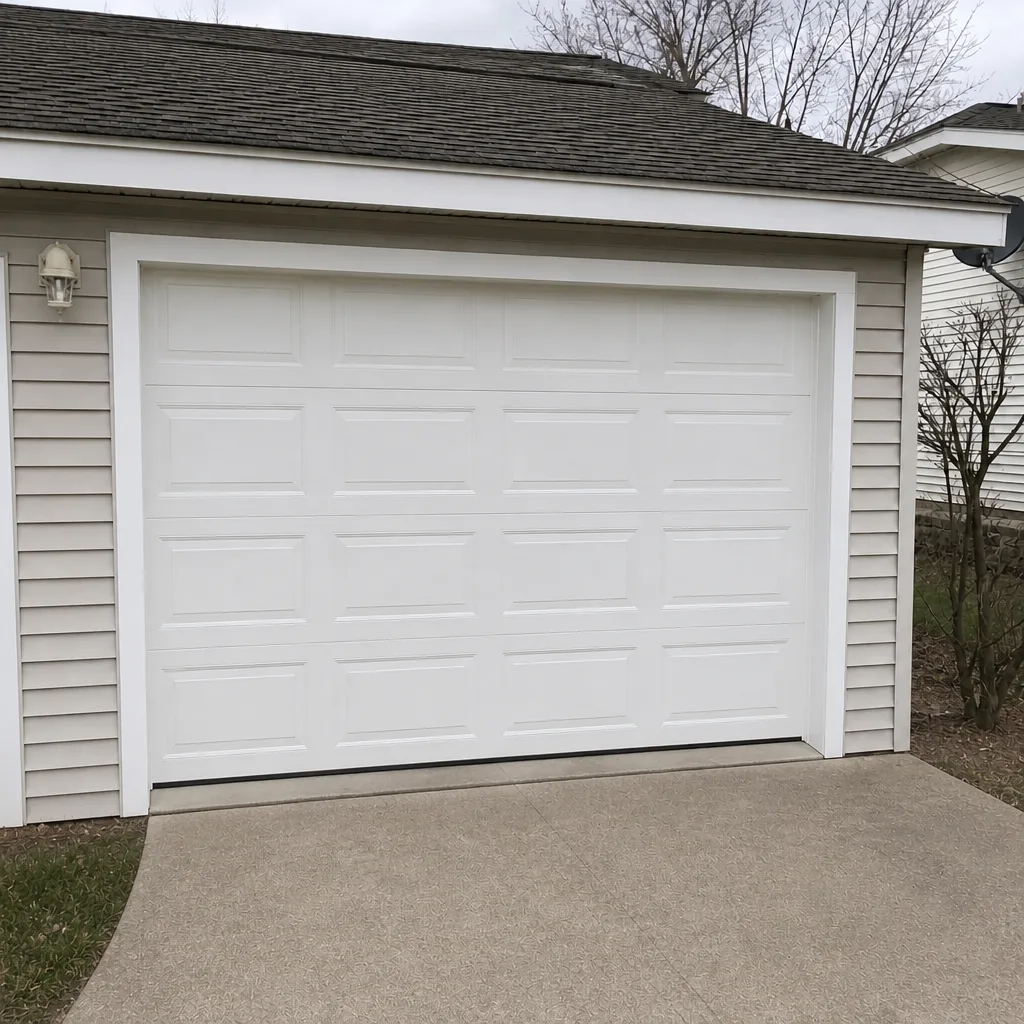 After
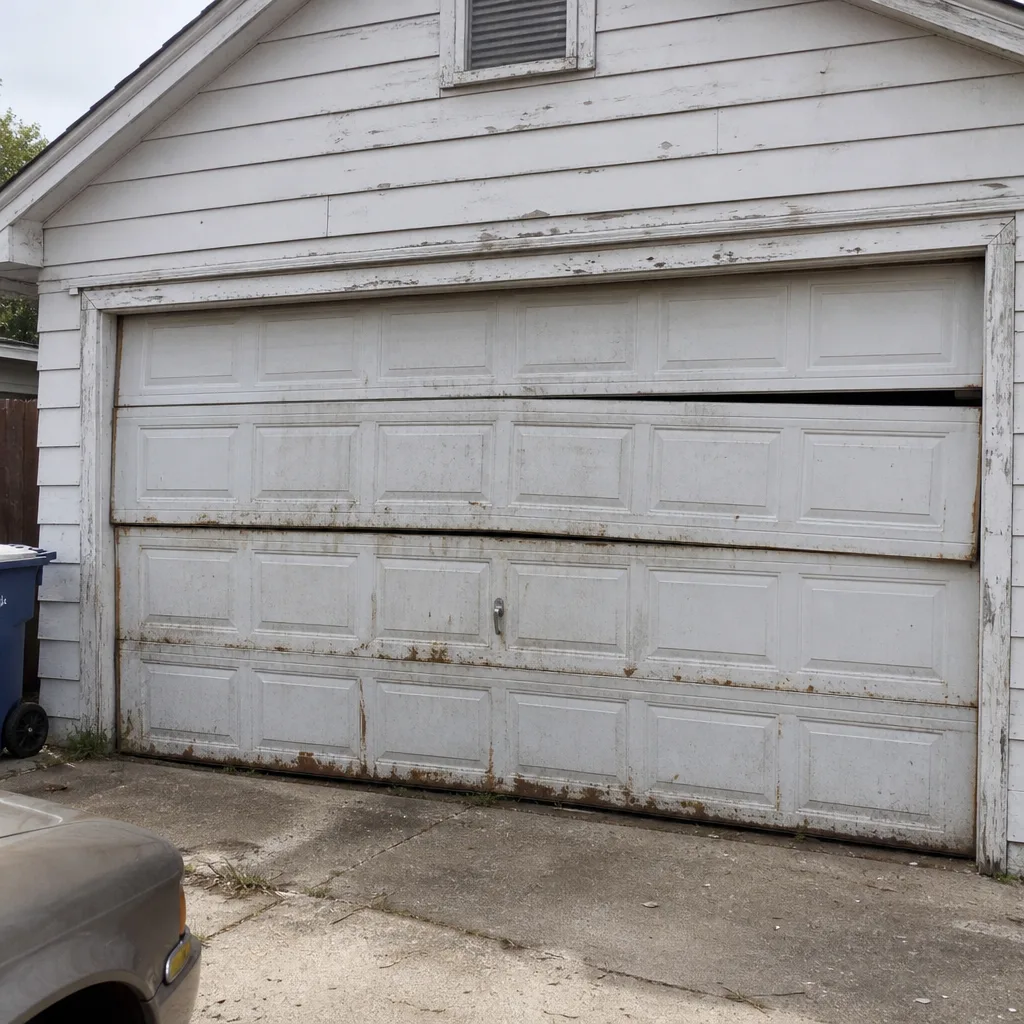 Before
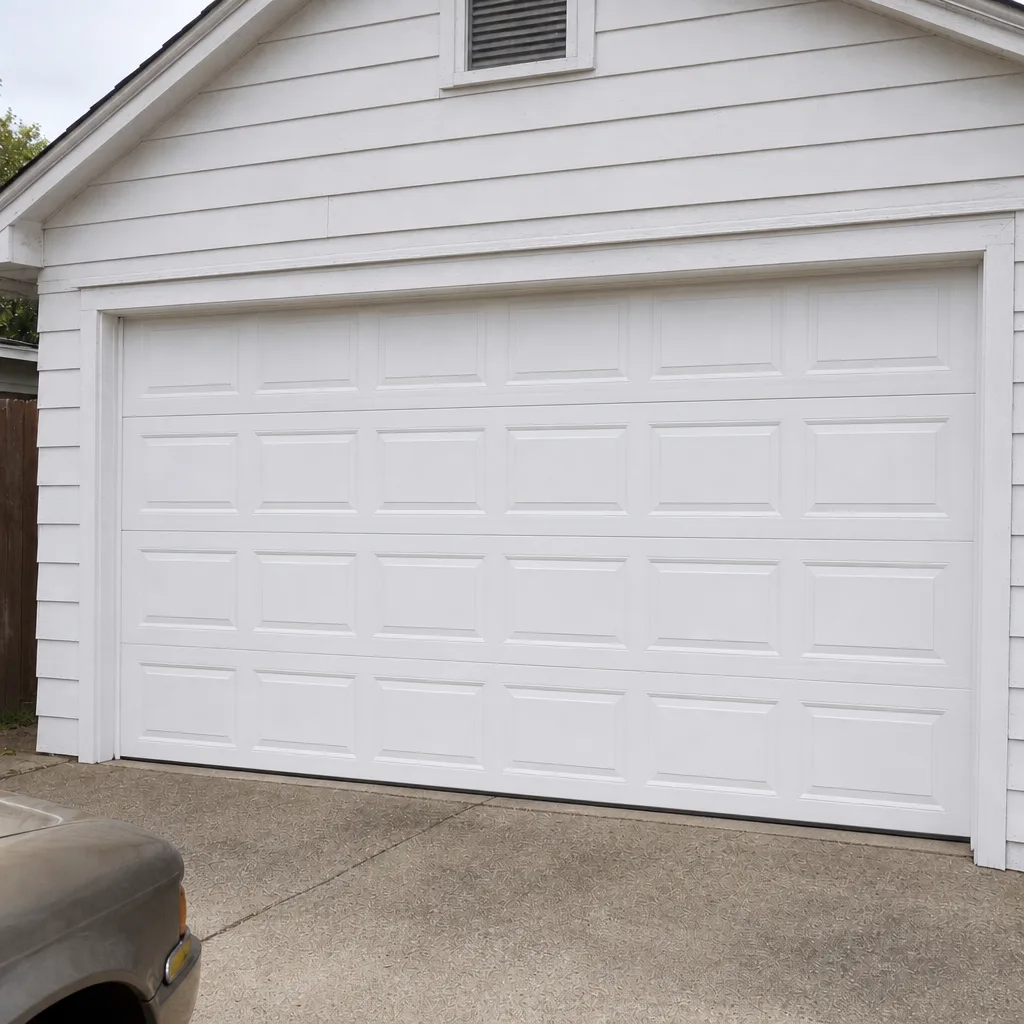 After
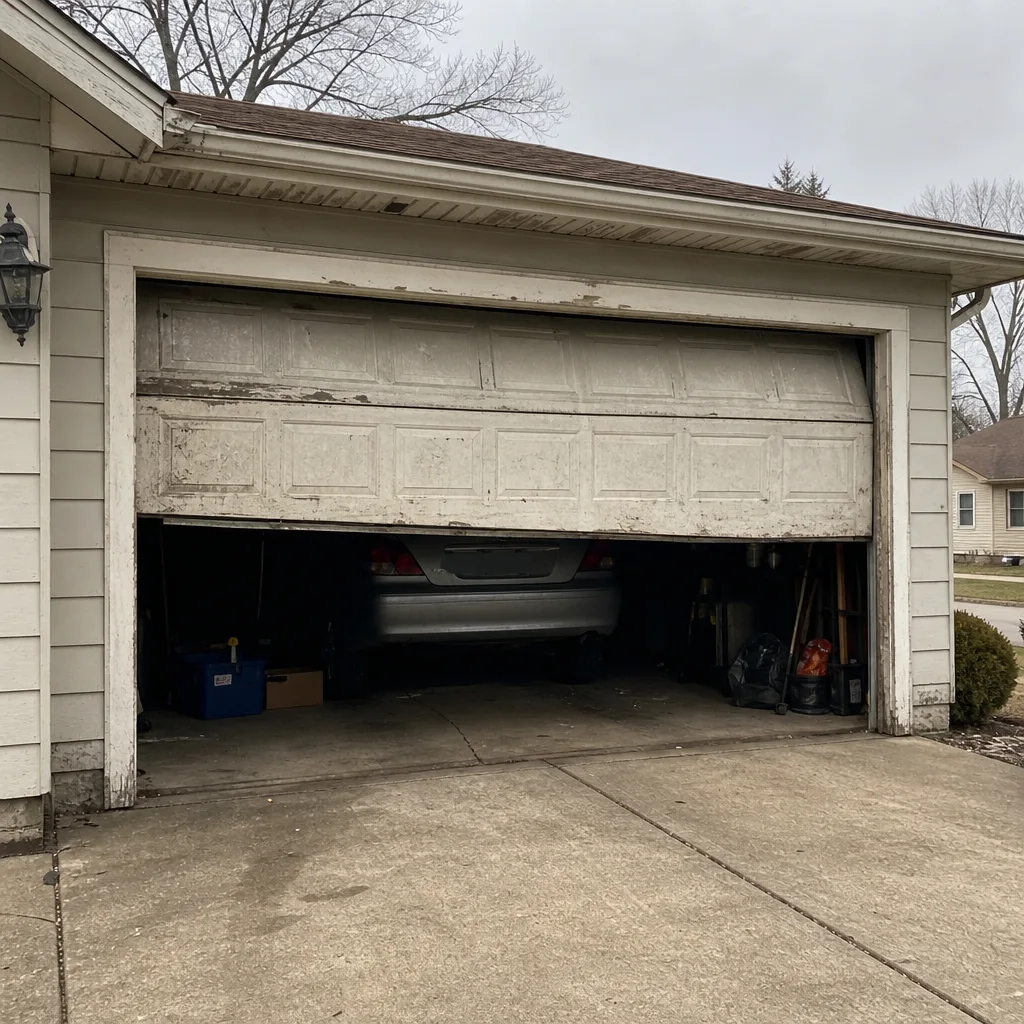 Before
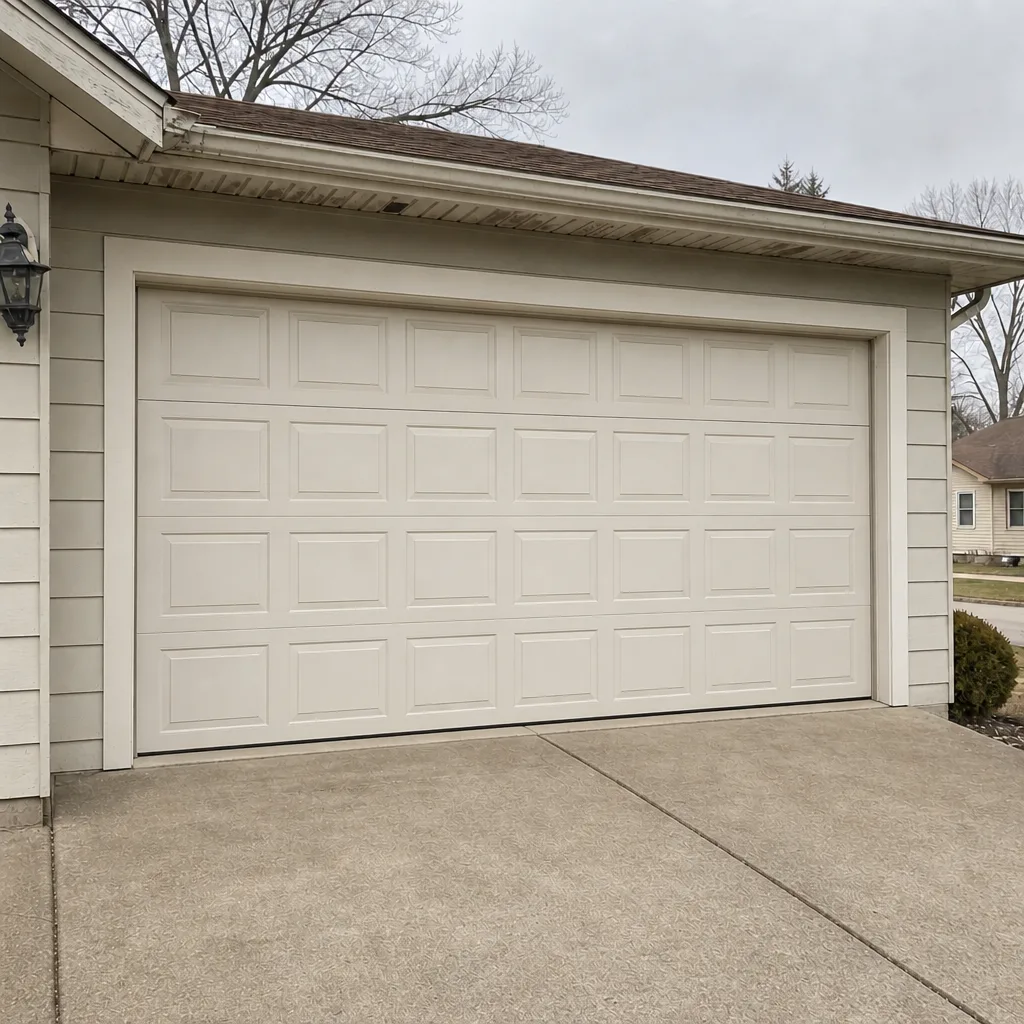 After
When to Call a Professional
Call a professional when the door is stuck open, off its track, or hanging unevenly; when you hear a bang from the garage or see a gap in the spring; when the safety reverse fails; or when the opener runs but the door doesn’t move. Those are the situations where DIY can make things worse or put someone at risk. For the routine parts of the list, like lubrication, balance checks, and remote batteries, you can handle it yourself and save the call.
Garage Door Repair Joliet Pros focuses only on garage doors and openers, so a door that’s off track gets a technician who does this every day. We service the eight major brands, from LiftMaster and Chamberlain openers to Clopay, Amarr, and Raynor doors, and free estimates are standard. For a true emergency in Joliet, same-day response is available. Garage Door Repair Joliet Pros offers free estimates across Joliet – call (833) 382-8894.
Frequently Asked Questions
A garage door emergency is when the door is stuck open, off its tracks, hanging unevenly, or the springs have snapped, because each of those creates a security or safety risk that can’t wait. A noisy but working door, a slow opener, or a remote that needs a battery is a repair for the next business day. Call (833) 382-8894 for an exact quote – estimates are free.
Yes. Pull the red manual release cord down toward the opener to disengage the carriage, then lift the door slowly by hand. If the door is too heavy to hold up, the springs have failed and you should leave the car where it is and call for repair.
Same-day service is available for genuine emergencies like an open door, a snap in the springs, or a door off its tracks, and we’re open Sunday through Friday, 7am to 7pm. We’re closed Saturday. For routine repairs we’ll book the next available slot. Call (833) 382-8894 and describe what’s happening.
No. We quote the job before any work starts and you agree to the price up front, so the invoice matches the quote. If a technician finds something beyond what was described on the call, they’ll walk you through it before anything changes. Call (833) 382-8894 for a free estimate.
The local pro we connect you with is licensed and insured as their state requires, and our technicians have up to 12 years of experience. Spring work and opener repair are standard services for us, not jobs we farm out to a handyman. Call (833) 382-8894 to schedule a free estimate.
A single spring replacement typically runs $180 to $340, and since a matched pair is usually replaced together, a pair is usually about twice that. The written quote sets the final price. Call (833) 382-8894 for an exact quote – estimates are free.
The Bottom Line
A garage door emergency in Joliet doesn’t have to cost you a day. Know the triage questions so you can tell a true emergency from a next-business-day repair. Learn the manual release procedure and use it only when the door is closed. Keep a plan for securing an open door while you wait. Have your door type, opener brand, and a description ready before you call. And do the pre-season prep each fall, because it prevents most of the calls in this guide. When the door can’t wait, same-day service is available Sunday through Friday, 7am to 7pm, and we’re closed Saturday. Call (833) 382-8894 for a free estimate.
Written by the team at Garage Door Repair Joliet Pros.