Last updated November 21, 2026
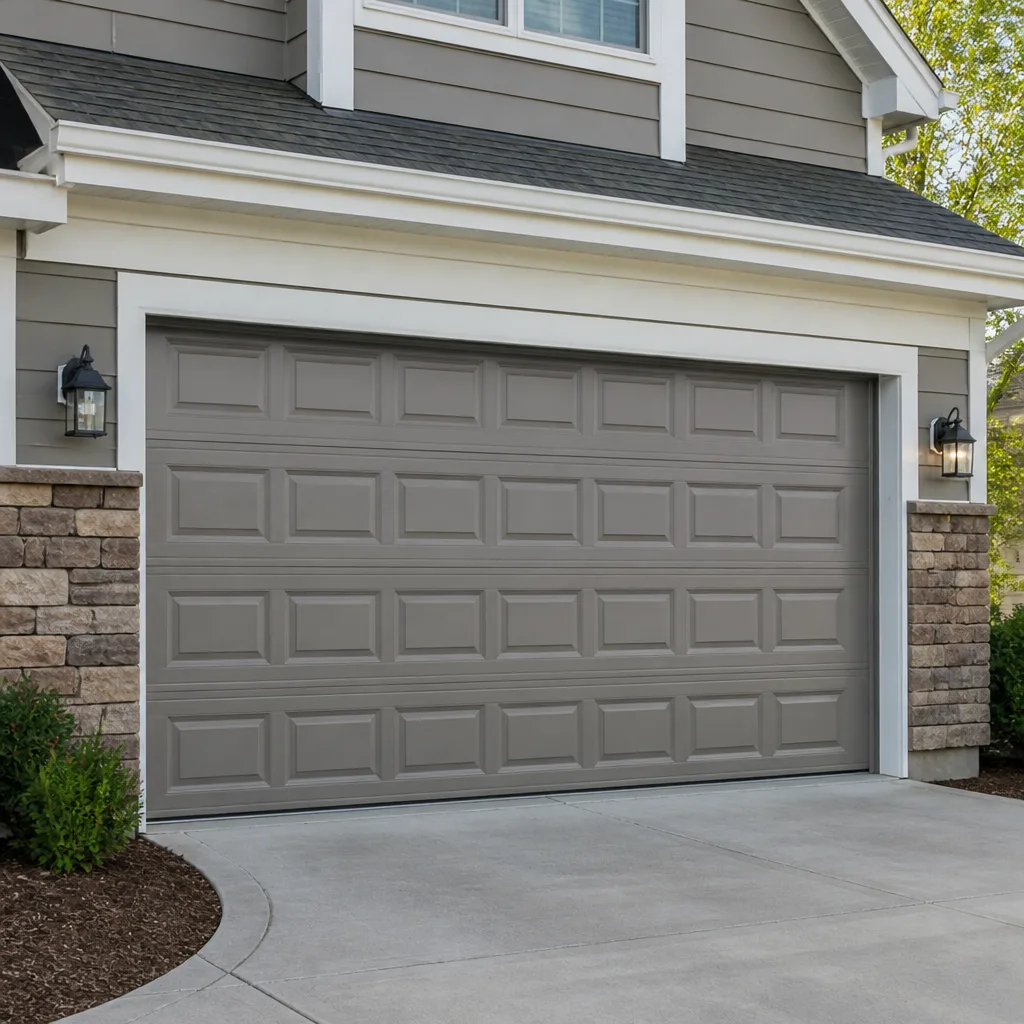 Raised-panel steel
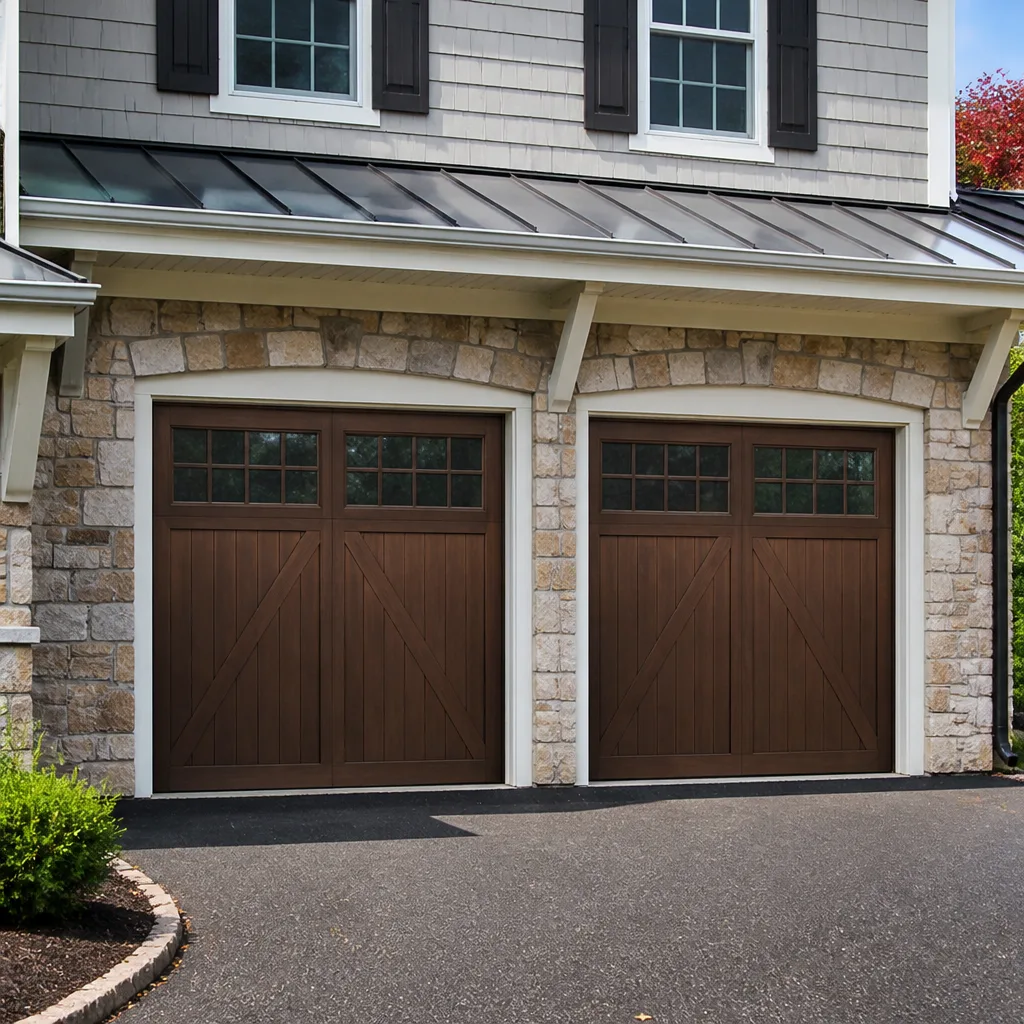 Carriage house
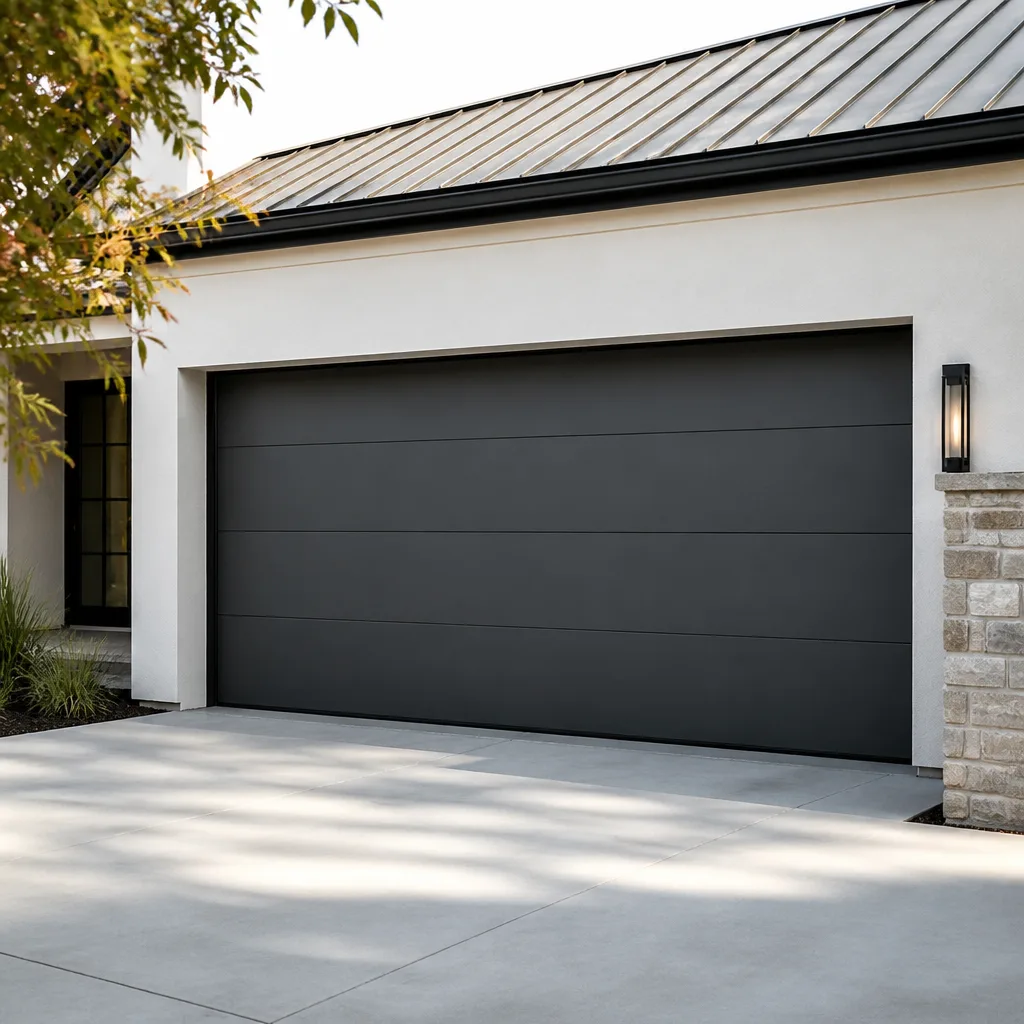 Modern flush
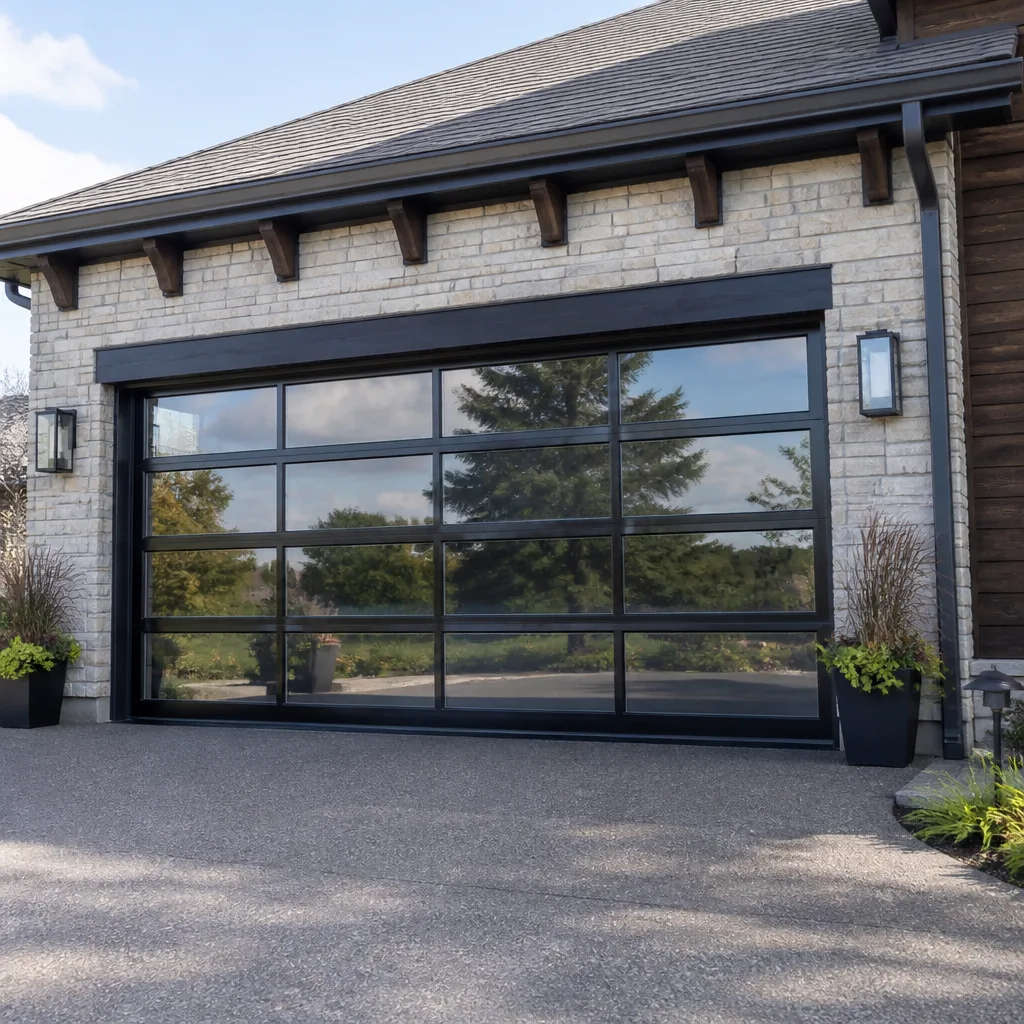 Full-view glass
 LiftMaster openers
 Chamberlain openers
Full 25-point door and opener safety check with every visit - springs, cables, rollers, tracks, and your LiftMaster or Chamberlain opener included
You get a price before we start. It does not change when the pro arrives.
Get your free estimateThe Complete Guide to Garage Doors in Joliet
Your garage door moves more times per year than your front door does in a decade, yet most homeowners can’t name a single maintenance task they’ve completed on it. That gap is where the expensive failures start. A garage door is the largest moving mechanical system in a house: torsion or extension springs, cables, rollers, hinges, a track, and an opener all working together under load, every single day. Treat it like a simple appliance and the failures compound quietly until something snaps. Treat it like machinery and it lasts. This guide maps every decision point for Joliet homeowners, from buying to repair to that 2 a.m. emergency, so you stop guessing and start acting with information.
Quick Answer
A garage door in Joliet is a mechanical system, not just a panel on your house, and the most common failures are spring breakage, track misalignment from soil movement and freeze-thaw, and opener strain from a door that’s out of balance. Most repairs are fixable same day by a technician who works on your specific brand. Replacement makes more sense than repair when the panels are dented or rusted through, the door is out of warranty, or you’re facing a repair bill that’s a large share of new-door cost. The written estimate always sets the final price, quoted before any work begins.
Styles & brands we work with
- Raised-panel steel
- Carriage house
- Modern flush
- Full-view glass
- LiftMaster openers
- Chamberlain openers
Table of Contents
- The door, the opener, and the spring system: three parts, three problems
- How Joliet’s soil and freeze-thaw cycles wear on your door
- Which door types fit Joliet’s housing stock, and why parts matter
- A lifecycle cost framework: what to expect at 5, 10, and 15 years
- Repair or replace: a decision tree for Joliet homeowners
- The maintenance schedule that prevents most breakdowns
- What to do when the door fails
- Brand compatibility: why the make of your door matters
The door, the opener, and the spring system: three parts, three problems
Most misdiagnosed garage door repairs start with a single confusion: homeowners call one problem by another name. The door, the opener, and the spring system are three separate systems, and each fails in its own way. Knowing which one is talking to you saves you from paying for the wrong fix.
The door is the structure: the panels, the track, the rollers, the hinges, the cables. When a door comes off its track, dents a panel, or drags on one side, that’s a door problem. The opener is the motor and the control system, including the wall button, the remote, the safety sensors, and the smart-home app if you’re running one. When the motor hums but nothing moves, or the door only opens partway, or the sensors blink, that’s an opener problem. The spring system is the counterbalance. Torsion springs (mounted above the door on a shaft) or extension springs (running along the sides) do the actual heavy lifting so your opener only has to guide the door.
Here’s why the distinction matters in practice:
- A door that’s suddenly heavy and won’t stay up is usually a spring problem, not an opener problem. Replacing the opener won’t fix it and can burn out a new motor fast.
- A door that opens two feet and stops is usually an opener or sensor problem, not a spring problem. The springs are fine; the control logic isn’t.
- A door that grinds, squeals, or pulls to one side is usually a track and roller problem. Lubrication and alignment fix it, not a new motor.
When you call, describing which symptom you’re seeing helps the technician arrive with the right parts mindset. Our technicians work on both halves of the equation, so a misdiagnosis on your end doesn’t turn into an unnecessary invoice. If the opener’s the culprit, we handle garage door opener repair for every major connected and manual system.
How Joliet’s soil and freeze-thaw cycles wear on your door
Joliet sits on clay-heavy soil, and clay does something predictable: it swells when wet and shrinks when dry. Coupled with northern Illinois freeze-thaw cycles, that ground movement moves foundations and slabs by small amounts every season. Your garage door track is bolted to the structure around it, so when the slab or framing shifts even a fraction, the track geometry shifts with it.
What that looks like over time:
- Track misalignment. A track that was perfectly parallel to the door in spring can be slightly out of true by late winter. The door starts dragging on one side, the rollers wear unevenly, and the opener has to work harder than it should.
- Uneven panel gaps. When the frame shifts, the panels don’t sit flush anymore. You notice daylight at the bottom corners, or a panel that catches on the weather seal.
- Weather-seal wear. Rubber bottom seals and side seals take a beating from repeated freeze-thaw. They harden, crack, and stop sealing, which lets cold air and moisture into the garage.
- Lubricant breakdown. The grease on rollers and hinges thins in summer heat and stiffens in winter cold. Cold-stiffened parts put a heavier load on the opener during the coldest weeks, which is exactly when failures cluster.
This is why alignment checks matter more in Joliet than in regions with stable soil and a milder seasonal swing. A door that runs fine in July can start binding by February. If your door has been quietly getting harder to operate, that’s the season talking. A tune-up resetting the track and refreshing the lubrication is usually a small job compared to the spring or opener damage that ignoring it causes. When the track is damaged past adjusting, our garage door repair service handles realignment and roller replacement as standard work.
Which door types fit Joliet’s housing stock, and why parts matter
Joliet’s housing ranges from older bungalows and post-war ranches to newer subdivisions, and the door type follows the housing. Most of what you’ll see falls into three categories, and each one has different parts-availability implications.
Sectional doors
The most common type in Joliet by a wide margin, and the standard on most subdivisions built in recent decades. Sectional doors are horizontal panels that hinge and roll up along a curved track into the ceiling space. Because they’re the dominant type, parts for them are widely available, and almost any technician carries the rollers, hinges, and cables on hand. This is the door most homeowners have, and the one most brands build for.
Roll-up doors
You’ll see these mostly on older garages and some commercial-adjacent structures. Roll-up doors coil into a drum above the opening rather than folding along a track. Parts are less universally stocked, so knowing your make and model upfront saves a return trip. If you have a roll-up, tell the technician the brand when you call.
Carriage-style doors
Popular in Joliet’s newer construction and on homes where the garage faces the street. Carriage doors look like swinging barn doors but are usually sectional doors with decorative overlays. The mechanism is standard sectional; the look is what varies. This matters for repair because a damaged decorative overlay can sometimes be replaced without replacing the whole panel.
Why parts availability matters: if you own a door made by garage door installation-era brands like Amarr or Wayne Dalton, you’ll want a technician who knows the specific model line and what fits it. A generalist who works on “all brands” often doesn’t stock the right parts, and you end up with a second visit or a mismatched bundle. We work on the brand you already have, which means we diagnose against the actual model, not a generic one.
A lifecycle cost framework: what to expect at 5, 10, and 15 years
A garage door doesn’t fail on a schedule, but the wear points come in waves. Thinking about your door in 5-year blocks helps you budget and helps you know when a repair is throwing money at the wrong decade of the door’s life.
At 5 years
The door is in good shape structurally. What you’ll likely face:
- Rollers starting to wear or squeak (usually a small repair, sometimes a lubricant refresh)
- Bottom weather seal hardening or cracking (a seal replacement)
- Opener logic issues if you have a smart opener (remote pairing, sensor misalignment)
This is the era of cheap fixes. Everything here is routine maintenance or a small repair, and none of it warrants a new door.
At 10 years
The wear points get more expensive:
- Springs reaching end of life. Most torsion springs are rated for a set number of cycles, not years, and 10 years of daily use gets you close. When one spring breaks, the matched pair is usually replaced together, since a fresh spring against an old one puts uneven load on the system.
- Opener motor showing strain. The gears, the drive, and the logic board start to be the weak link.
- Cables showing fray near the drums.
A door at 10 years is still worth repairing in most cases. The structure is sound, and repair cost is well under replacement cost.
At 15 years
This is where replacement starts to compete with repair:
- Panels dented or beginning to rust through at the bottom edge
- Track and hinges at the end of their service life
- Repeated repairs on the same components
- Opener at the end of its practical life
When you’re facing a repair bill that’s a large share of what a new door costs, and the door is also showing cosmetic or structural wear, replacement is the better money. The repair decision isn’t only about today’s failure; it’s about how many failures are stacked up in the next few years.
Repair or replace: a decision tree for Joliet homeowners
Here’s the framework we recommend, in the order we’d walk through it:
- Is the failure mechanical or structural? If it’s springs, opener, cables, rollers, or track, that’s a repair, almost always. If it’s the door panels themselves (rust-through, cracked, dented beyond cosmetic repair), that leans toward replacement.
- How old is the door? Under 10 years, repair wins on almost every mechanical issue. Over 15 years, price the replacement against the repair before deciding.
- Is the repair on the same component you fixed recently? A second failure on the same system is a signal to replace the system, not the part.
- Is the door out of warranty? If you’re past the manufacturer’s coverage on the panels, a cosmetic failure becomes your cost, and replacement may make sense.
- Does the repair cost approach half the replacement cost? Get a written replacement estimate before you commit to the repair. The choice becomes obvious once you see both numbers side by side.
If you’re in the decision phase, our garage door repair Joliet pros can walk you through both options honestly. Our free estimate covers both the repair and the replacement path so you’re comparing real numbers, not guesses.
The maintenance schedule that prevents most breakdowns
Most of the expensive failures we see are preventable with a small amount of routine work. Here’s the schedule we recommend for a Joliet door:
Monthly (two minutes)
- Test the safety sensors: wave an object in front of them and confirm the door reverses or refuses to close
- Listen for new noises: grinding, squealing, or a change in the door’s rhythm
- Check the balance: with the door closed and the opener disconnected, lift it halfway. If it doesn’t hold, the springs are out of adjustment and a technician should look at them
Twice a year (spring and fall)
- Lubricate the rollers, hinges, and springs with a garage-door lubricant (never a general-purpose oil)
- Inspect the track for bends, debris, and misalignment
- Check the weather seal at the bottom and around the sides
- Tighten the hardware if you find loose bolts
Annually
- Have a technician inspect the springs, cables, and drums. Springs and cables are under tension and should never be adjusted by a homeowner.
- Check the door panels for dents and rust, especially at the bottom edge where moisture sits.
What you should not do yourself: adjust or replace springs, adjust the cables, or attempt anything on the torsion shaft. These are under high tension, and the consequences of a mistake are serious injury. A trained professional should handle all of it, and that’s not a sales pitch; it’s the honest recommendation of anyone who has worked on the equipment. We handle spring work as a standard service, and it’s one of the jobs we take most seriously. When it’s time, our Garage Door Repair Joliet Pros team can inspect the whole system and flag what needs attention.
What to do when the door fails
When a garage door fails, the first move is almost always to stop operating it. A door hanging off its track, a spring that’s snapped, or an opener that grinds are all situations where forcing the door does more damage and can be dangerous. Here’s a safe sequence:
- Stop using the door. Don’t try to open or close it with the opener or by hand. If a spring has snapped, the door may be dangerously heavy.
- Check for anyone nearby, especially kids and pets. Keep clear of the door and the track.
- If the garage is your only entry and you can’t secure the home, that’s an emergency. A stuck-open door is a security issue. A stuck-closed door is an access issue. Either way, call for service.
- Don’t remove the opener arm, the springs, or the cables. These are all under load. Wait for a trained technician.
- Disconnect the opener arm only if the door is on the ground and stable and you need to manually move a door that’s already off the track. If you’re unsure, leave it connected and call us.
Our emergency service covers broken springs, doors off track, and openers that won’t respond. If a door fails and it’s genuinely urgent, call and we’ll book it. We’re closed on Saturdays, but if a door fails on a Saturday you can still call and we’ll schedule you for Sunday. Same-day service is available for most repairs, and dispatch runs from 7am to 7pm.
Brand compatibility: why the make of your door matters
Your garage door has a brand, and the brand determines which parts fit and how the system is designed. A technician with general experience can often diagnose a problem, but diagnosing the right fix is faster and more accurate when they know the specific system. We service eight of the top brands in the industry: LiftMaster, Chamberlain, Genie, Clopay, Amarr, Wayne Dalton, Craftsman, and Raynor. That coverage means a homeowner with a branded system doesn’t have to hunt for a specialist who happens to know their equipment.
A few brand-specific distinctions worth knowing:
- Openers. LiftMaster and Chamberlain run the dominant smart-home systems, and app-connected openers fail in different ways than older manual units. If your opener stops responding to the app but the wall button still works, that’s a logic or pairing issue, not a motor issue. Our opener work covers both connected and manual systems.
- Doors. Clopay, Amarr, Wayne Dalton, and Raynor are the door brands you’ll see across Joliet’s housing stock. Panel replacement, spring sizing, and track hardware differ by model line, which is why model knowledge matters.
- Craftsman. Common on older openers. Replacement parts and compatibility with newer remotes are the usual issue.
If you don’t know the make, the model number is usually on a label inside the door panel or on the opener motor housing. Having that number when you call shortens the visit and helps us arrive prepared.
Common Mistakes to Avoid
- Replacing the opener when the springs are broken. A door that’s suddenly heavy isn’t an opener problem; it’s a spring problem. A new opener on a bad spring burns out fast, and you’ve paid twice.
- Forcing a door that’s off track. Opening or closing a misaligned door with the opener bends the track further and can snap cables. Stop and call.
- Ignoring the seasonal alignment check. Joliet’s clay-heavy soil and freeze-thaw cycles shift the track quietly. A door that runs fine in summer can bind by winter. Twice-a-year track checks catch it before it becomes a repair.
- Lubricating with the wrong product. General-purpose oil or WD-40 on the rollers and hinges attracts dirt and thins out. Use a garage-door-specific lubricant.
- Assuming “all brands” means parts are available. A general handyman may diagnose correctly but not stock the right parts for your model. Brand knowledge means the technician arrives with the right fit.
- Delaying a repair you can afford because the door “still works.” A dragging door, a fraying cable, or a strained opener is a warning, and the repair is cheaper now than after the failure.
- Confusing a cosmetic problem with a structural one. A dented panel isn’t urgent, but a dented track or a cracked spring is. Know which one you’re looking at.
See the difference
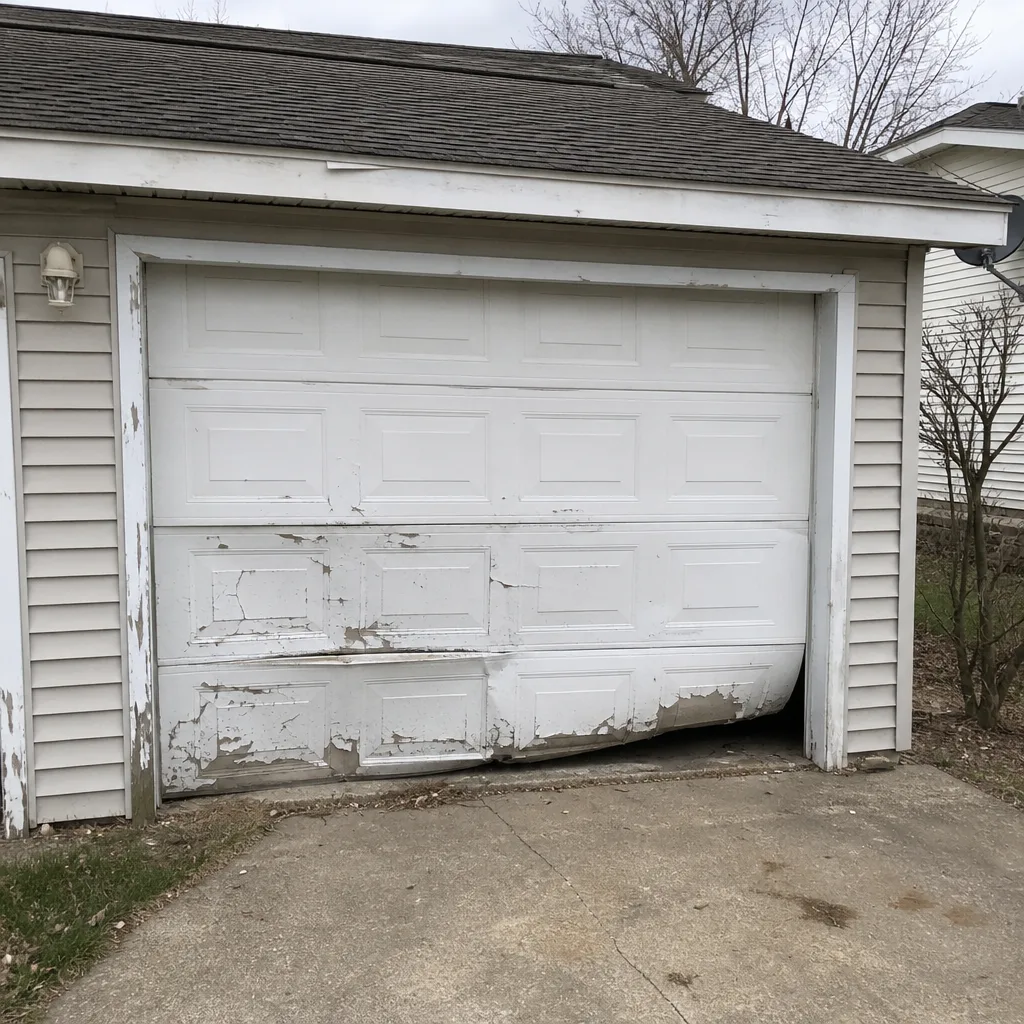 Before
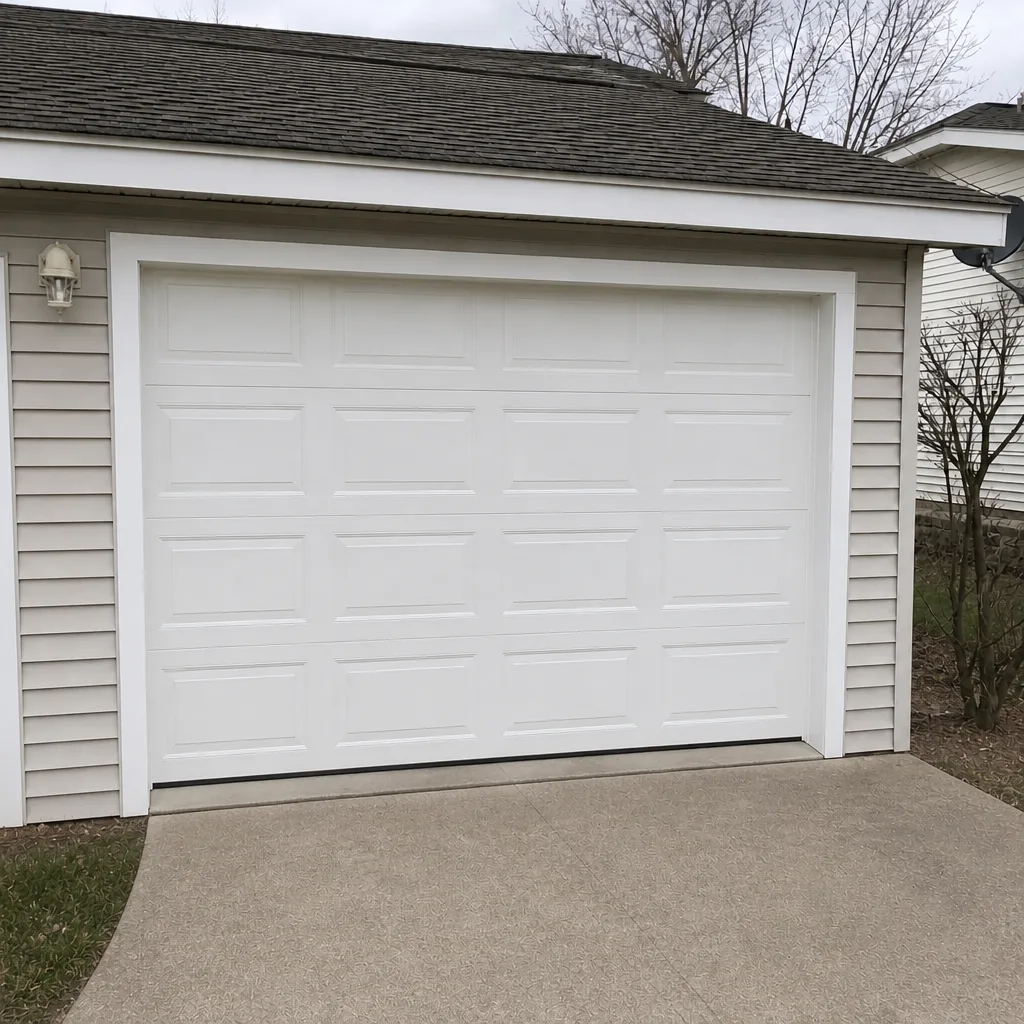 After
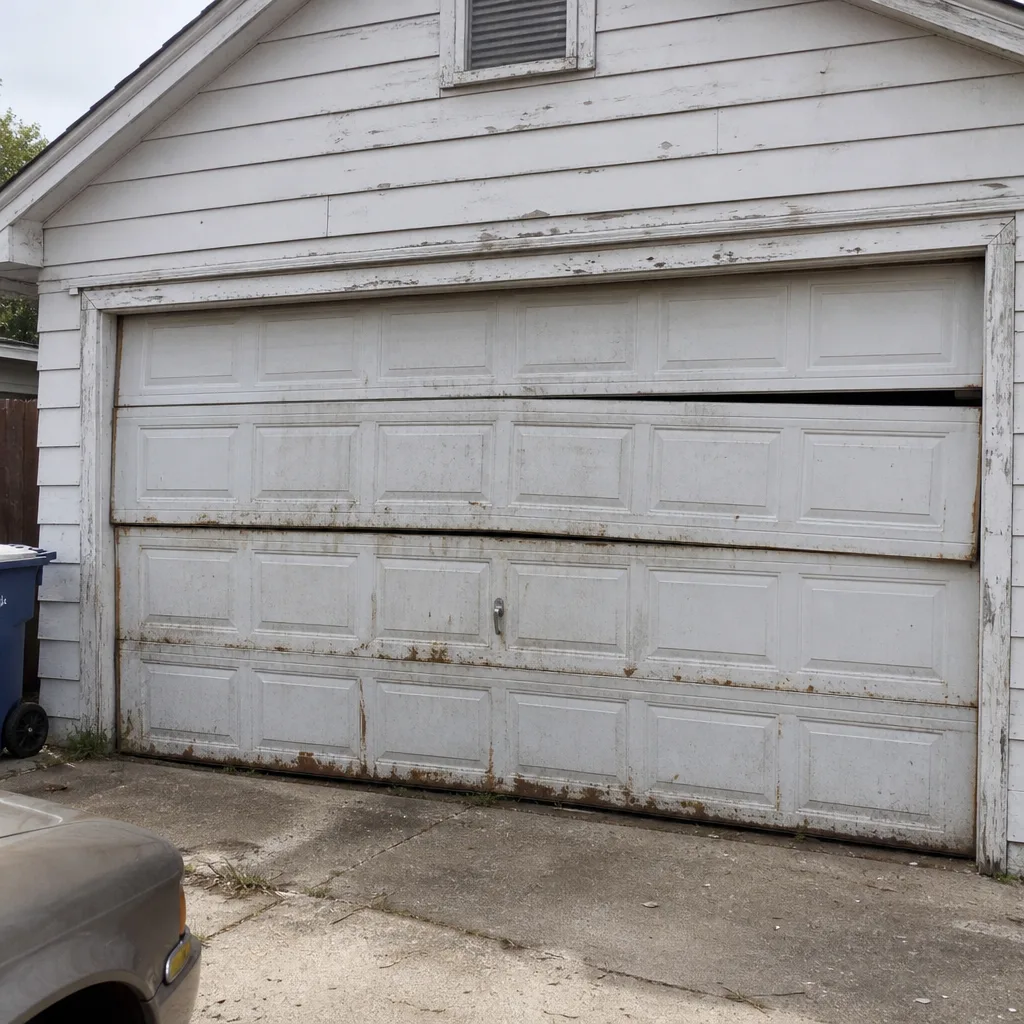 Before
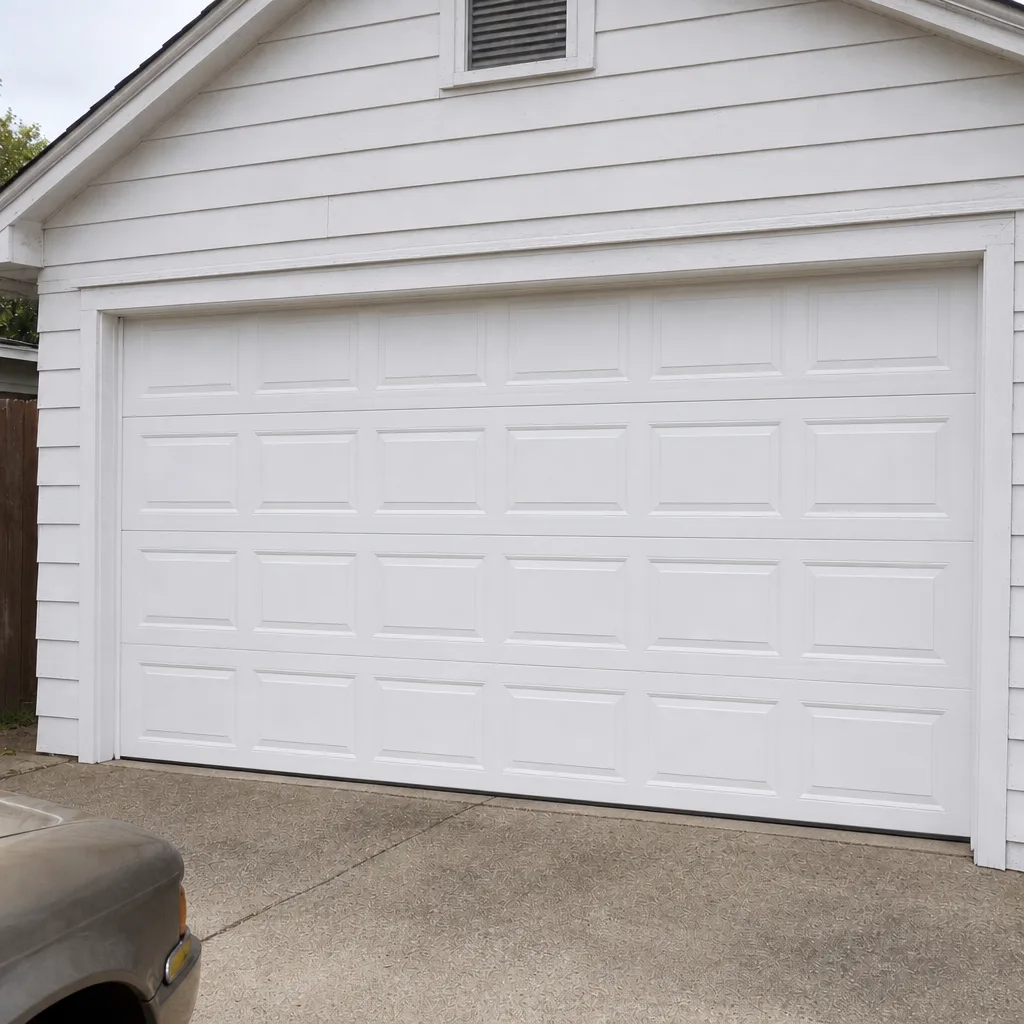 After
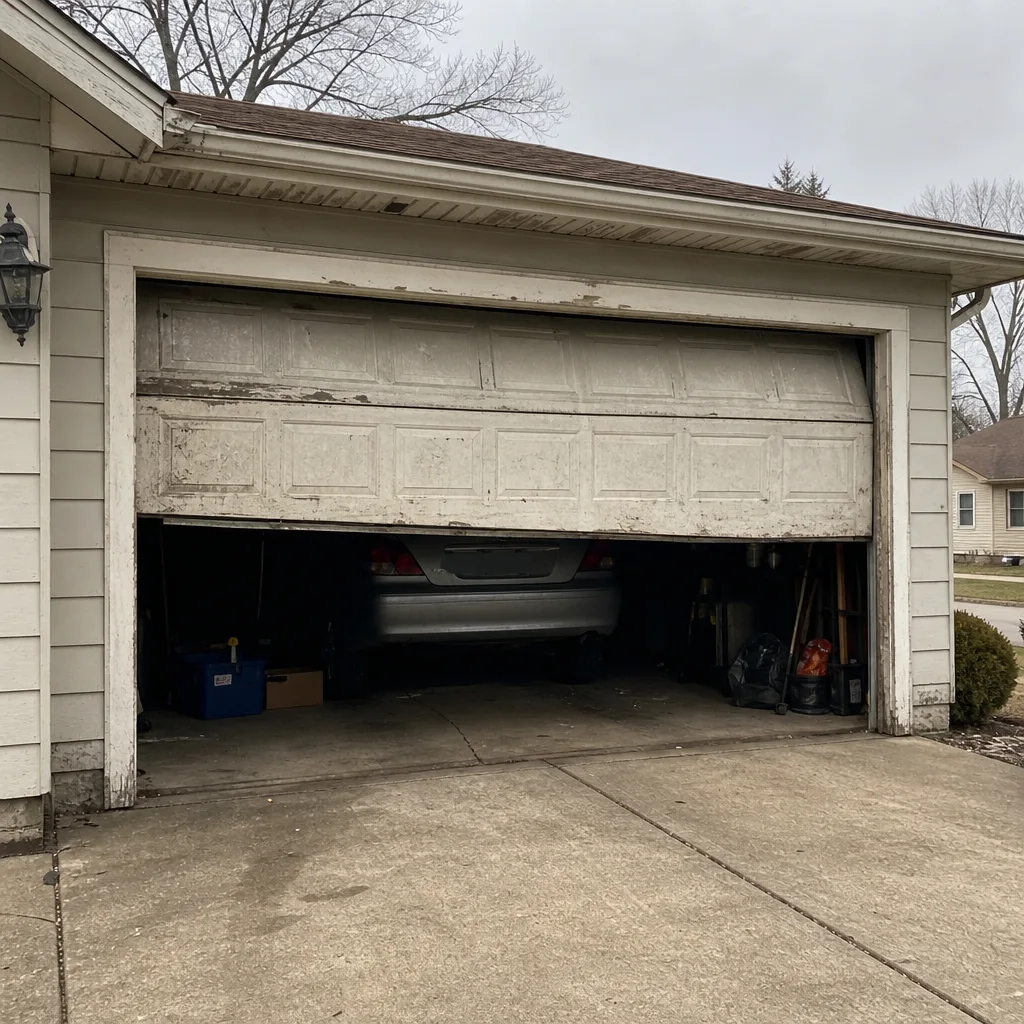 Before
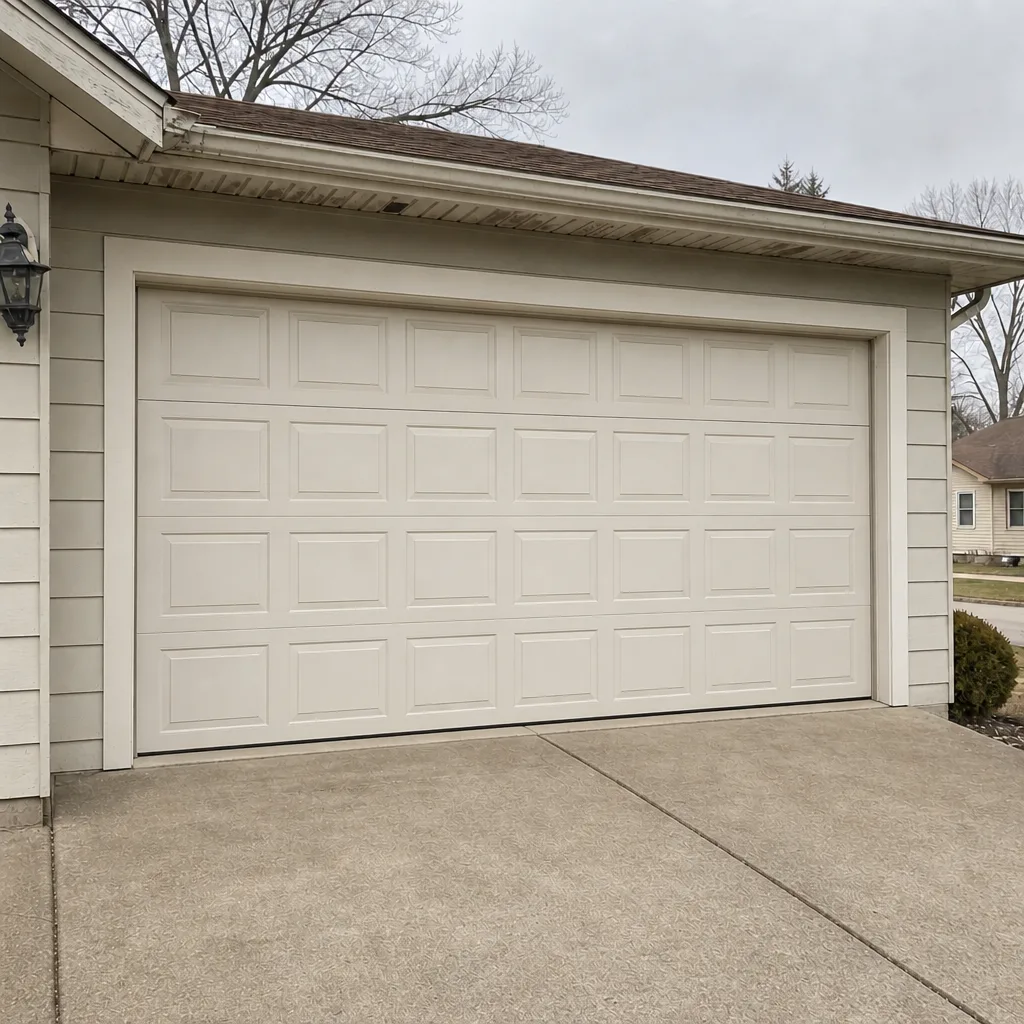 After
When to Call a Professional
Some things are worth a phone call, and a few are worth a phone call today. Call a professional if a spring has snapped, if the door is off its track, if the opener runs but the door doesn’t move, if the door won’t close fully and the sensors look misaligned, or if the door is visibly sagging on one side. Any of those involve tension, load, or geometry that homeowners shouldn’t tackle. A slower call: a door that’s getting harder to open, a new squeak or grind, or a seal that’s no longer sealing. Those aren’t emergencies, but they’re early warnings. Garage Door Repair Joliet Pros offers free estimates in Joliet, and we’ll tell you honestly whether it’s a repair or a replacement. Call (833) 382-8894.
Frequently Asked Questions
Spring repair in Joliet typically runs $180 to $340 for a single spring, and because matched pairs are usually replaced together, a pair costs about twice that. The written estimate sets the final price, and that price is quoted and agreed before any work begins. Call (833) 382-8894 for an exact quote, and estimates are free.
Most repair calls can be handled same day, and fast dispatch runs from 7am to 7pm. Emergency service covers broken springs, doors off track, and openers that won’t respond. If a door fails on a Saturday, we’re closed that day, but call and we’ll schedule you for Sunday.
No; the written estimate sets the price. The technician diagnoses the problem, quotes the repair, and gets your agreement before any work starts. If the diagnosis turns up a second issue, you’ll hear about it and get a new quote before it’s touched.
The local professionals we connect you with are licensed and insured as their state requires. Our technicians have up to 12 years of experience, and we work across eight major brands, including LiftMaster, Chamberlain, Genie, Clopay, Amarr, Wayne Dalton, Craftsman, and Raynor.
If the failure is mechanical (springs, opener, cables, track), it’s almost always a repair. If the panels are rusted through, dented beyond cosmetic repair, or the door is over 15 years old and facing repeated repairs, replacement makes more sense. A free estimate covering both paths makes the decision concrete.
Yes, mainly around track alignment. Joliet’s clay-heavy soil and freeze-thaw cycles shift the ground and framing seasonally, which nudges the track out of true more often than in regions with stable soil. A twice-a-year alignment and lubrication check catches most of it before it becomes a repair.
The Bottom Line
Your garage door is the largest moving mechanical system in your house, and it deserves better than the “set it and forget it” treatment most homeowners give it. A garage door in Joliet has to survive clay soil movement and freeze-thaw, which makes seasonal alignment and lubrication checks more important here than in most of Illinois. Keep the spring, opener, and door systems in your head as three separate things, and you’ll describe the problem accurately when you call. Follow the maintenance schedule, know your brand, and use the repair-or-replace decision tree before you spend money. When something fails, stop operating the door and call a trained professional.
If your door is due for a tune-up, a spring repair, an opener fix, or a full replacement, we can help. Garage Door Repair Joliet Pros works on the brand you already have, offers free estimates, and quotes every job before any work begins. Call (833) 382-8894 for a free estimate today.
Written by the team at Garage Door Repair Joliet Pros.